

Whole grains may improve several heart risk factors at once

Light exposure at night may raise risk for heart disease

Children of centenarians may stay healthier and live longer too, study finds

A lumbar belt may help ease low back pain

Signs of pneumonia: Sometimes vague and unexpected

Using a vibration plate: What it can — and can't — do for your body

The surprising link between ovarian cancer and the fallopian tubes

People who walk more or walk faster live longer, study finds

Rosacea treatments: What works?

For sleep apnea, a dental device may be as effective as CPAP
Cholesterol and lipids Archive
Articles
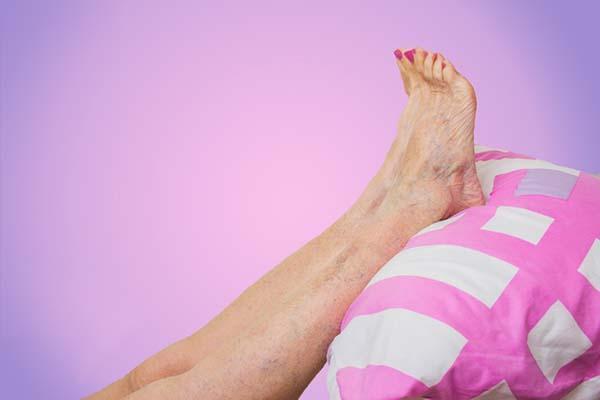
When is swelling in both feet a concern?
Swollen feet can stem from everyday factors or underlying health conditions, and recognizing the possible causes can help guide your next steps.


Can diet lower triglyceride levels?
A rising triglyceride level can increase risk of damage to the heart and pancreas. Learn which foods to eat and limit to improve your numbers.
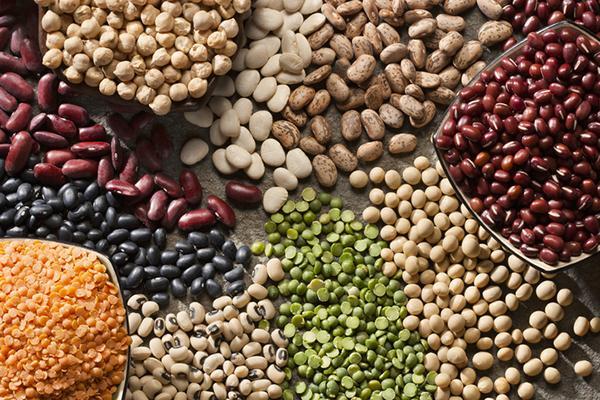
Legumes: Are they good for your heart?
Legumes, which include beans, peas, and lentils, are a good source of plant-based protein. They also contain two forms of fiber that may help lower cholesterol, blood pressure, inflammation, and body weight—all important causes of heart disease.
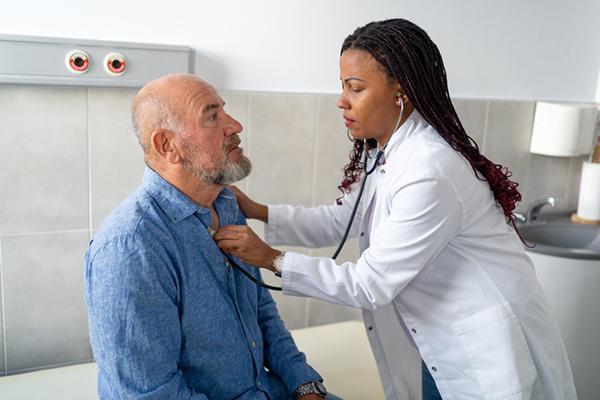
What heart problems can be heard with a stethoscope?
The most common problems detected with a stethoscope are conditions that affect one of your heart valves—usually the aortic valve or the mitral valve. While often harmless, these problems sometimes require monitoring and treatment.

The health benefits of forest bathing
Forest bathing, which originated in Japan, means spending time in the woods or other natural setting, immersed in the surrounding sights, sounds, and smells. Research suggests that the practice may reduce the harmful health effects of stress.

Atrial fibrillation symptoms: Why they're easy to miss
Symptoms of atrial fibrillation include a fluttering, pounding sensation in the chest and a lightheaded, dizzy, or breathless feeling. But about a quarter of people with this disorder don’t notice any symptoms.
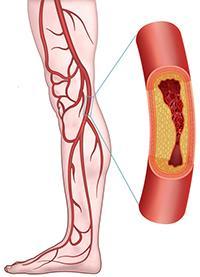
Treating peripheral artery disease: When might you need a procedure?
A small percentage of people with peripheral artery disease develop symptoms so severe they need a procedure to restore blood flow to their legs and feet. Options include angioplasty with a stent, endarterectomy, or peripheral artery bypass surgery.
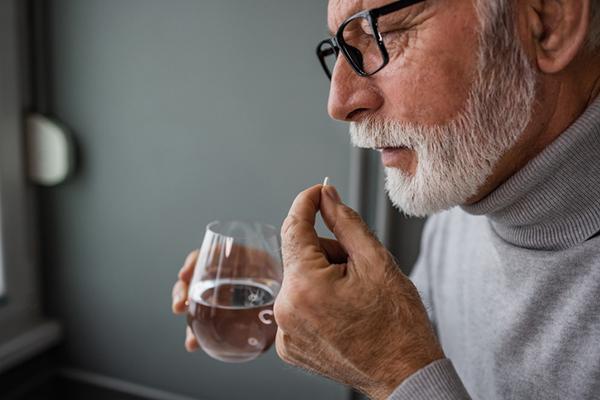
Should you take low-dose aspirin?
Daily low-dose aspirin can lower the risk of a second heart attack in people who’ve already had one. For people without a history of heart attack, the risk of dangerous bleeding usually outweighs any potential heart-related benefit from taking low-dose aspirin.

Exercising with low blood pressure: Advice and precautions
People with low blood pressure, which is defined as consistently having a reading lower than 90/60 mm Hg, sometimes feel dizzy or lightheaded during or after exercise. But modifying your exercise routine and taking simple precautions can help.
Whole grains may improve several heart risk factors at once
Light exposure at night may raise risk for heart disease
Children of centenarians may stay healthier and live longer too, study finds
A lumbar belt may help ease low back pain
Signs of pneumonia: Sometimes vague and unexpected
Using a vibration plate: What it can — and can't — do for your body
The surprising link between ovarian cancer and the fallopian tubes
People who walk more or walk faster live longer, study finds
Rosacea treatments: What works?
For sleep apnea, a dental device may be as effective as CPAP
Free Healthbeat Signup
Get the latest in health news delivered to your inbox!
Sign Up
