

Whole grains may improve several heart risk factors at once

Light exposure at night may raise risk for heart disease

Children of centenarians may stay healthier and live longer too, study finds

A lumbar belt may help ease low back pain

Signs of pneumonia: Sometimes vague and unexpected

Using a vibration plate: What it can — and can't — do for your body

The surprising link between ovarian cancer and the fallopian tubes

People who walk more or walk faster live longer, study finds

Rosacea treatments: What works?

For sleep apnea, a dental device may be as effective as CPAP
Cholesterol and lipids Archive
Articles

What's the best blood pressure target for older adults?
For people over 60, aiming for a blood pressure target below 130/80 mm Hg may prevent more cardiovascular problems than aiming for the higher target suggested by some physicians. Some feared that the more intensive treatment required to reach the lower target might cause more adverse side effects (such as dizziness and falls) in older people. But side effects do not appear to differ among people taking intensive versus standard therapy.

5 numbers linked to ideal heart health
Five numbers give a thumbnail assessment of overall heart health and what factors people might need to address to lower the risk of a heart attack or stroke. These numbers offer ideal goals for most people, although targets vary for individuals based on age or other health conditions.
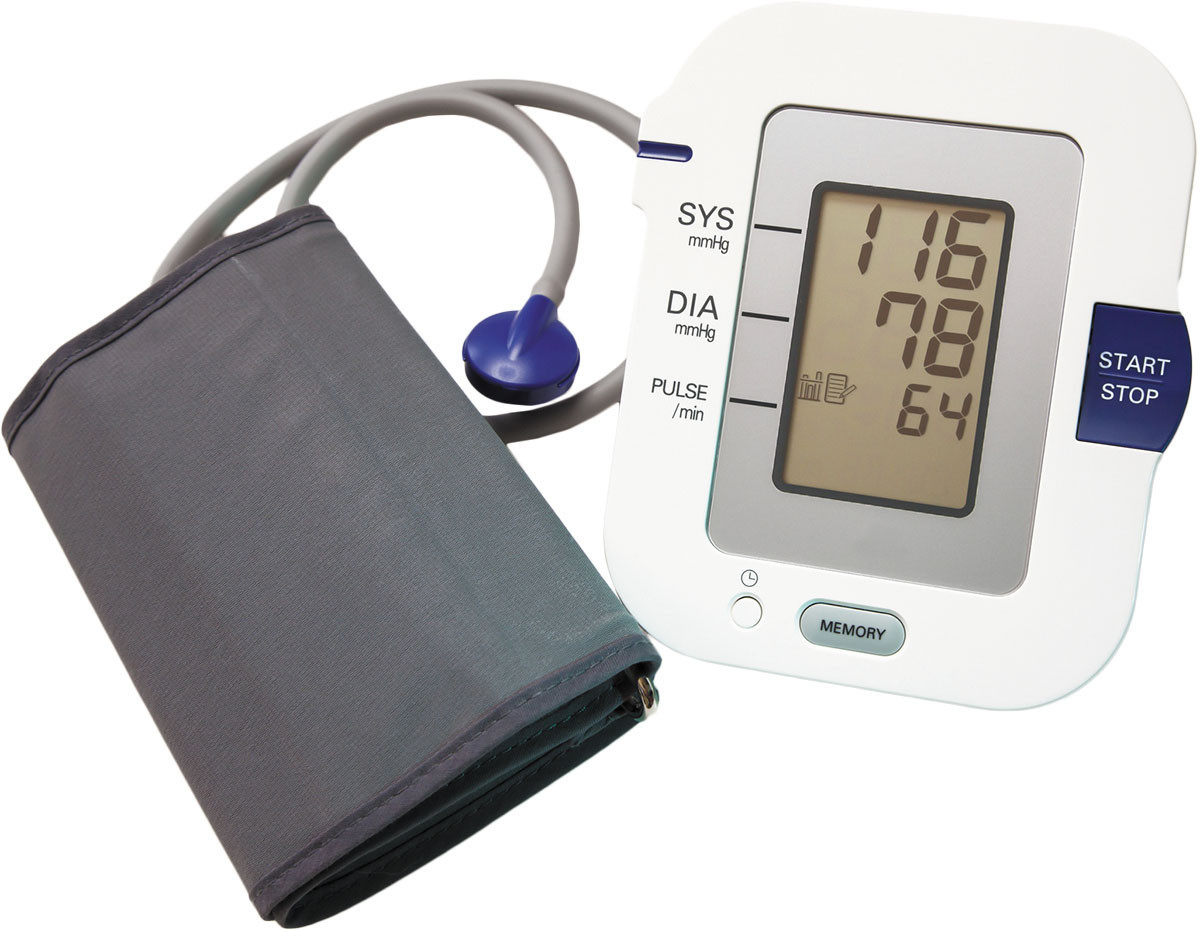
Is your home blood pressure monitor accurate?
Many home blood pressure monitors are not validated for accuracy, which means there's no way to know if information they provide is correct. Relying on inaccurate measurements can affect decisions people make about medical treatment. Fortunately, reliable organizations have developed lists of blood pressure monitors that have demonstrated clinical accuracy. If a blood pressure monitor isn't listed, it's probably not validated.

What is statin intensity and how should it guide my treatment?
Statin dosages fall into three categories (low, moderate, or high) based on how much the medication can lower LDL. The choice of a statin depends on a person's risk.

11 foods that can help lower your cholesterol
People with elevated LDL cholesterol values may be able to reduce their LDL levels by eating more foods that are rich in fiber and lower in saturated fats. High-fiber foods include whole grains, beans, nuts, vegetables, and fruits. Saturated fats are found mainly in meat, cheese, and other high-fat dairy products such as butter, half and half, and ice cream.

You can play sports safely with a heart condition
Most people with heart conditions can safely play sports if their condition is well managed. Exercise should be reintroduced gradually, and the intensity should be tailored to the individual. Monitoring for warning signs can reduce the risk while preserving the heart health benefits.
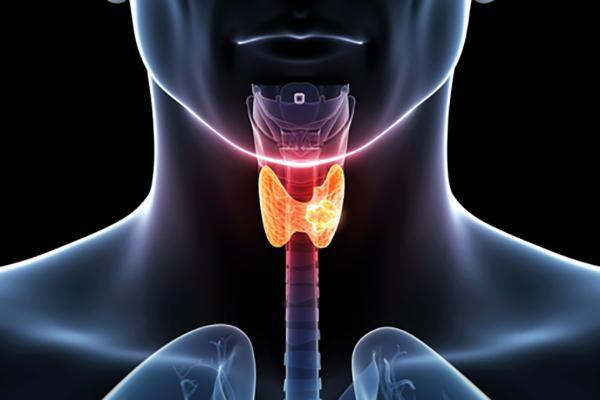
Thyroid hormone: How it affects your heart
The thyroid gland releases hormones that affect the heart. Too little thyroid hormone slows the heart rate and may boost blood pressure and cholesterol levels, while too much can trigger abnormal heart rhythms and high blood pressure.

Broken-heart syndrome (takotsubo cardiomyopathy)
Takotsubo cardiomyopathy, also called broken-heart syndrome, is a weakening of the left ventricle that is usually the result of severe stress. Its symptoms resemble those of a heart attack, and treatment is usually the same as that for heart failure.

Should you worry about high triglycerides?
Learn to manage your triglyceride levels to avoid having a higher risk of heart disease and stroke.
Whole grains may improve several heart risk factors at once
Light exposure at night may raise risk for heart disease
Children of centenarians may stay healthier and live longer too, study finds
A lumbar belt may help ease low back pain
Signs of pneumonia: Sometimes vague and unexpected
Using a vibration plate: What it can — and can't — do for your body
The surprising link between ovarian cancer and the fallopian tubes
People who walk more or walk faster live longer, study finds
Rosacea treatments: What works?
For sleep apnea, a dental device may be as effective as CPAP
Free Healthbeat Signup
Get the latest in health news delivered to your inbox!
Sign Up
