

Whole grains may improve several heart risk factors at once

Light exposure at night may raise risk for heart disease

Children of centenarians may stay healthier and live longer too, study finds

A lumbar belt may help ease low back pain

Signs of pneumonia: Sometimes vague and unexpected

Using a vibration plate: What it can — and can't — do for your body

The surprising link between ovarian cancer and the fallopian tubes

People who walk more or walk faster live longer, study finds

Rosacea treatments: What works?

For sleep apnea, a dental device may be as effective as CPAP
Cholesterol and lipids Archive
Articles

Coping with chronic pain, depression, and high blood pressure
Chronic pain is linked to an increased risk of high blood pressure, which may be driven in part by depression, according to a 2026 study. Mind-body therapies and medications may help.
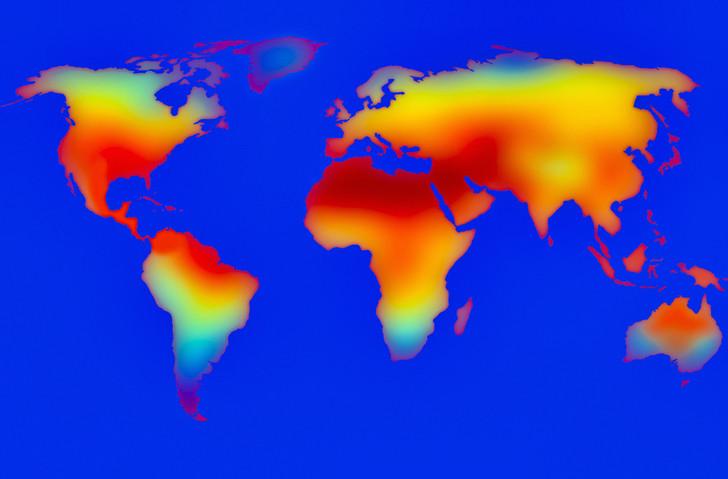
Heart problems and the heat: What to know and do
High temperatures raise risk for heat exhaustion and heat stroke, and also stress the cardiovascular system, making the heart work harder. If you have a heart condition, here's how to keep cool and protect yourself when temperatures rise.
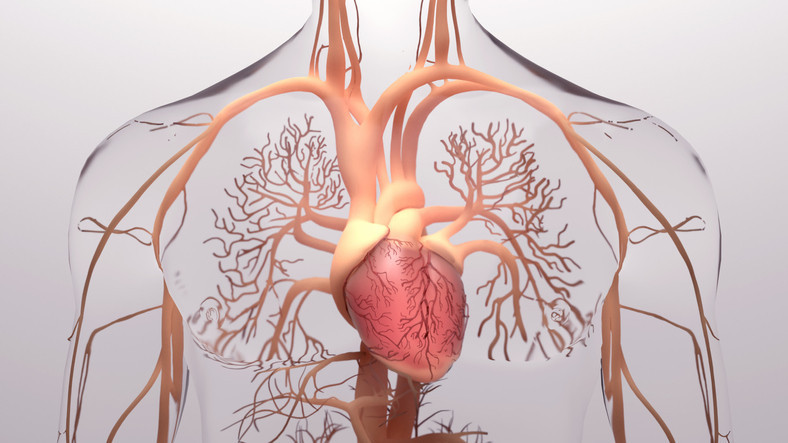
How good is your cardiometabolic health - and what is that, anyway?
An analysis shows less than 7% of adults in the US meet the criteria for optimal cardiometabolic health. Taking small steps to help control and improve key risk factors can reduce the odds of a heart attack or stroke.

How do carbohydrates influence triglyceride levels?
Carbohydrate intake and other aspects of your diet may impact triglyceride levels. See how everyday choices may nudge this number up or down.

Which foods can raise your LDL cholesterol?
Curious which foods can drive up LDL, or bad, cholesterol? Explore the role of saturated fat and how Mediterranean-style eating may protect your heart.

What does it mean when an imaging report mentions a pelvic phlebolith?
Learn what pelvic phleboliths are and whether treatment is needed.
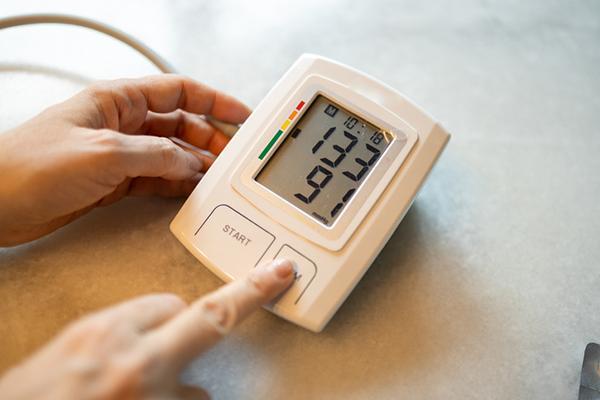
Which number in a blood pressure reading is more important?
Both systolic and diastolic readings matter. But large studies have shifted focus toward the top number. See what each reveals about heart risk.
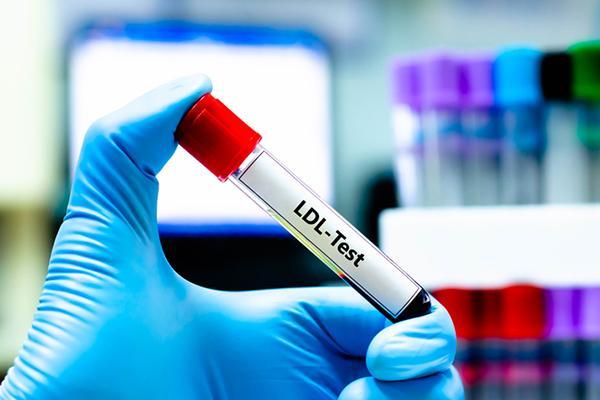
Could my LDL cholesterol level be too low?
An unusually low LDL result on a screening exam can be puzzling. Learn when small numbers reflect benefit and when they might signal a hidden problem.
What's the connection between an underactive thyroid, cholesterol, and blood sugar levels?
Low thyroid hormone can quietly nudge LDL and glucose in the wrong direction. Learn more about the connection.

Can weather affect blood pressure?
Seasons can affect blood pressure. But winter chills, holiday weight gain, and salty comfort foods can also push readings higher as warm weather gives way to cold.
Whole grains may improve several heart risk factors at once
Light exposure at night may raise risk for heart disease
Children of centenarians may stay healthier and live longer too, study finds
A lumbar belt may help ease low back pain
Signs of pneumonia: Sometimes vague and unexpected
Using a vibration plate: What it can — and can't — do for your body
The surprising link between ovarian cancer and the fallopian tubes
People who walk more or walk faster live longer, study finds
Rosacea treatments: What works?
For sleep apnea, a dental device may be as effective as CPAP
Free Healthbeat Signup
Get the latest in health news delivered to your inbox!
Sign Up
