

Whole grains may improve several heart risk factors at once

Light exposure at night may raise risk for heart disease

Children of centenarians may stay healthier and live longer too, study finds

A lumbar belt may help ease low back pain

Signs of pneumonia: Sometimes vague and unexpected

Using a vibration plate: What it can — and can't — do for your body

The surprising link between ovarian cancer and the fallopian tubes

People who walk more or walk faster live longer, study finds

Rosacea treatments: What works?

For sleep apnea, a dental device may be as effective as CPAP
Cholesterol and lipids Archive
Articles


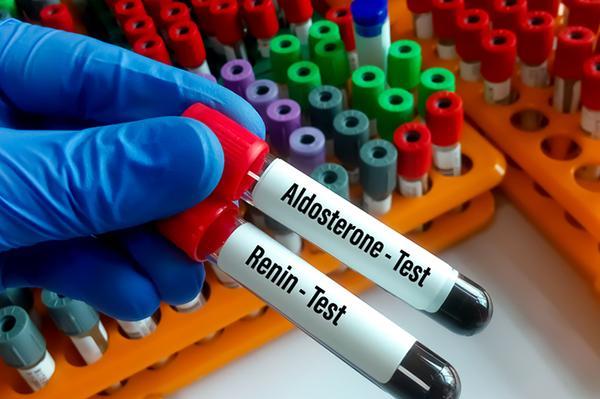
Aldosterone overload: An underappreciated contributor to high blood pressure
Elevated levels of aldosterone (a hormone that regulates water, sodium, and potassium in the body) is an underrecognized and undertreated contributor to high blood pressure.

Beyond statins: New ways to lower LDL cholesterol
Two medications now in development, enlicitide and obicetrapib, can lower harmful LDL cholesterol and may be promising options for people who cannot tolerate statins or who still have high LDL despite their current treatment.

Finding and fixing a stiff, narrowed aortic valve
A narrowed aortic valve (aortic stenosis) affects about one in 20 people over age 65. Medical therapies for treating this progressive disease are under investigation, and a recent study explored the potential benefits of proactive valve replacement.
Can you stop blood thinners after an ablation for atrial fibrillation?
After a successful catheter ablation to treat atrial fibrillation, some people may safely stop taking anti-clotting medications. But the decision to discontinue those drugs depends on a person's underlying risk of stroke rather than the success of the procedure.
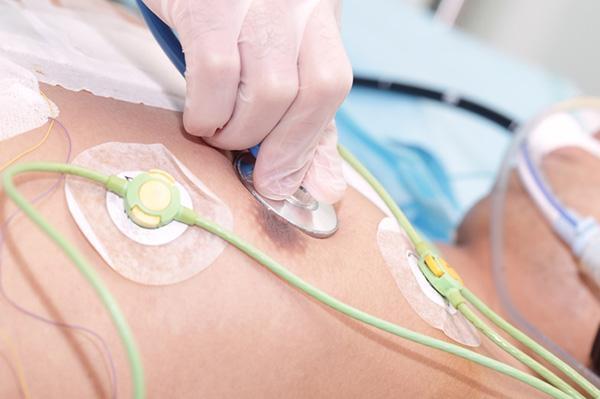
What is a cardioversion procedure?
Electrical cardioversion is generally a safe, painless procedure used to convert a rapid or irregular heartbeat (such as atrial fibrillation) back to a normal rhythm. It’s done under sedation and takes only a few minutes.
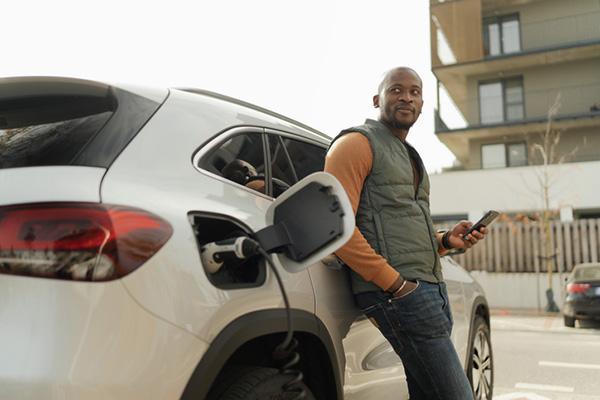
For now, electric cars appear safe for people with implanted heart devices
A 2025 review of past research found that electromagnetic field exposure from electric cars poses no immediate health risks for people with implanted heart devices, such as pacemakers or implantable cardioverter-defibrillators.

Reversing prediabetes may slash heart disease risk by half
People with prediabetes who successfully lower their blood sugar back to normal levels may cut their future risk of death due to heart disease by half, according to a 2025 study.
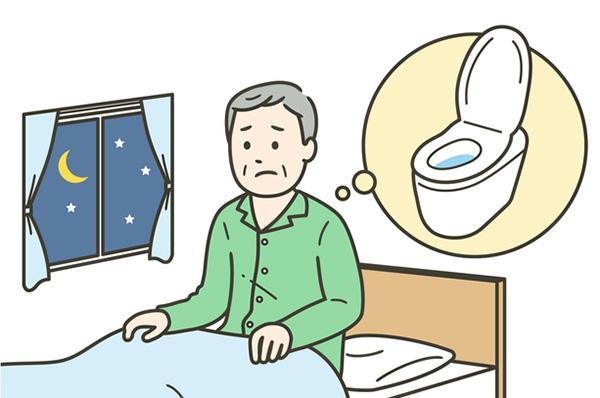
Waking up to urinate at night affects blood pressure
A 2025 study finds that among people with high blood pressure, waking up from sleep to urinate is closely linked to elevated blood pressure during sleep.
Whole grains may improve several heart risk factors at once
Light exposure at night may raise risk for heart disease
Children of centenarians may stay healthier and live longer too, study finds
A lumbar belt may help ease low back pain
Signs of pneumonia: Sometimes vague and unexpected
Using a vibration plate: What it can — and can't — do for your body
The surprising link between ovarian cancer and the fallopian tubes
People who walk more or walk faster live longer, study finds
Rosacea treatments: What works?
For sleep apnea, a dental device may be as effective as CPAP
Free Healthbeat Signup
Get the latest in health news delivered to your inbox!
Sign Up
