

Whole grains may improve several heart risk factors at once

Light exposure at night may raise risk for heart disease

Children of centenarians may stay healthier and live longer too, study finds

A lumbar belt may help ease low back pain

Signs of pneumonia: Sometimes vague and unexpected

Using a vibration plate: What it can — and can't — do for your body

The surprising link between ovarian cancer and the fallopian tubes

People who walk more or walk faster live longer, study finds

Rosacea treatments: What works?

For sleep apnea, a dental device may be as effective as CPAP
Cholesterol and lipids Archive
Articles

Are salt substitutes a smart choice?
Substituting potassium-containing salt substitutes for regular salt can help lower blood pressure as well as the risk of stroke. But people should also check the sodium content in foods and eat more potassium-rich produce.

How well do TV medical dramas portray heart disease?
TV medical dramas often portray treatments for heart attacks and cardiac arrest. While the timelines are often accelerated and certain aspects may be dramatized to engage viewers, the medical details are, for the most part, factual and authentic. Writers and producers routinely rely on health care experts - including Harvard doctors - to make sure the information is accurate. For people with heart disease, seeing how emergency physicians treat urgent conditions may show them what to expect.

Tick season is expanding: Protect yourself against Lyme disease
With ticks thriving in a wider geographic range, appearing earlier and sticking around later, it's important to stay vigilant about protecting yourself against ticks that cause Lyme disease and other illnesses. Learn some steps you can take to avoid tick bites.

Less butter, more plant oils, longer life?
Long-term research found that higher consumption of butter increases mortality risk, while higher consumption of plant-based oil lowers it. And substituting certain plant oils for butter might help people live longer. What's a butter lover to do?


Can I lower my cholesterol without a statin?
Statins are among the most-prescribed drugs in the United States, but some people are concerned about side effects. Lifestyle changes involving diet and exercise can help lower cholesterol enough to take a statin break

Get a leg up on deep-vein thrombosis
Leg pain may be caused by deep-vein thrombosis (DVT), a blood clot that forms in a deep vein, usually in the leg. Left untreated, the clot may break off, travel to the lungs, and cause blockage in a lung artery, known as pulmonary embolism (PE), which can be life threatening. Diagnosis of DVT and PE may include a review of symptoms, a D-dimer blood test, a leg ultrasound, or a chest CT scan. Both conditions are most often treated with direct-acting oral anticoagulants.

Cigar, pipe, and smokeless tobacco use linked to distinct heart risks
Using tobacco in cigars, pipes, or smokeless products such as snuff is associated with distinct heart-related risks.
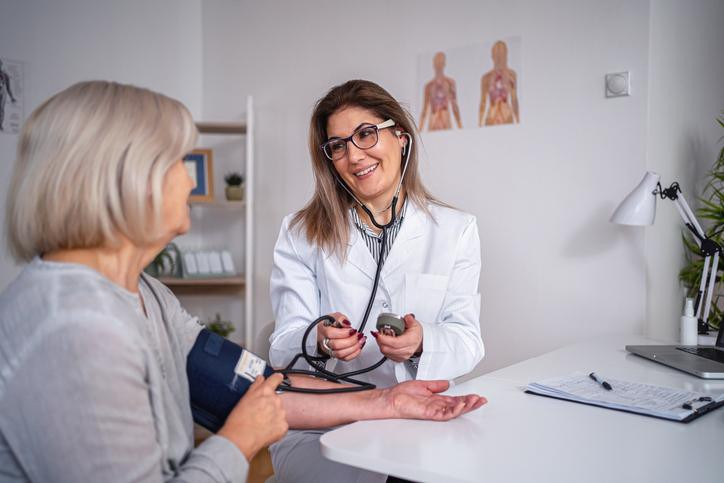
Intensive blood pressure control may lower risk of cognitive problems
Intensive blood pressure control that lowers systolic blood pressure (the first number in a reading) below 120 points may lower the risk of cognitive impairment or probable dementia.

New online tool ranks processed foods
A free online database provides nutrition facts, ingredient information, and a score that reflects the level of processing for more than 50,000 products at three major supermarkets.
Whole grains may improve several heart risk factors at once
Light exposure at night may raise risk for heart disease
Children of centenarians may stay healthier and live longer too, study finds
A lumbar belt may help ease low back pain
Signs of pneumonia: Sometimes vague and unexpected
Using a vibration plate: What it can — and can't — do for your body
The surprising link between ovarian cancer and the fallopian tubes
People who walk more or walk faster live longer, study finds
Rosacea treatments: What works?
For sleep apnea, a dental device may be as effective as CPAP
Free Healthbeat Signup
Get the latest in health news delivered to your inbox!
Sign Up
