

Whole grains may improve several heart risk factors at once

Light exposure at night may raise risk for heart disease

Children of centenarians may stay healthier and live longer too, study finds

A lumbar belt may help ease low back pain

Signs of pneumonia: Sometimes vague and unexpected

Using a vibration plate: What it can — and can't — do for your body

The surprising link between ovarian cancer and the fallopian tubes

People who walk more or walk faster live longer, study finds

Rosacea treatments: What works?

For sleep apnea, a dental device may be as effective as CPAP
Cholesterol and lipids Archive
Articles
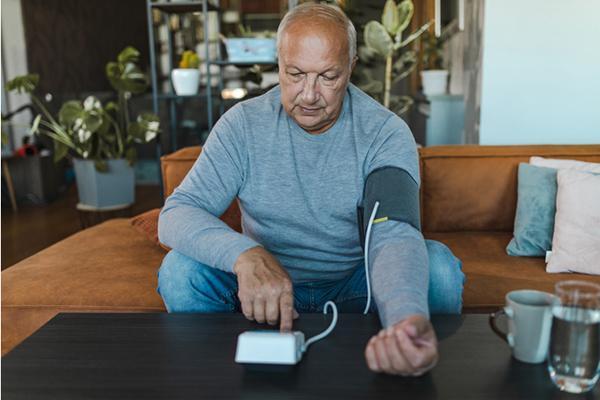
Can weather affect blood pressure?
Seasons can affect blood pressure. But winter chills, holiday weight gain, and salty comfort foods can also push readings higher as warm weather gives way to cold.

What could cause sudden leg weakness?
Legs that repeatedly give out after activity, then recover with rest, may point to more than low minerals and warrant prompt medical evaluation.
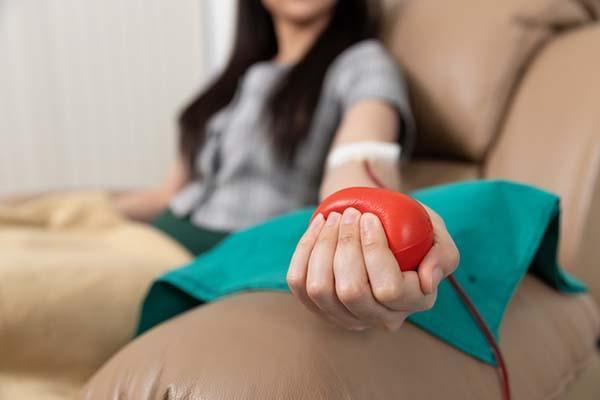
How can I build up my blood hemoglobin level?
Regular blood donations can slowly drain iron stores, lowering hemoglobin levels. Iron supplements may help rebuild them.

What is cardiac rehab and what does it involve?
After a heart attack, a cardiac rehab program comprised of supervised exercise, lifestyle coaching, and emotional support can reshape daily habits and lower the odds of future trouble.

Do sugars from fruit raise triglyceride levels?
If you have high triglycerides, fruit sugar is only part of the story. Carbs, alcohol, weight, exercise, and healthy fats all influence this number.
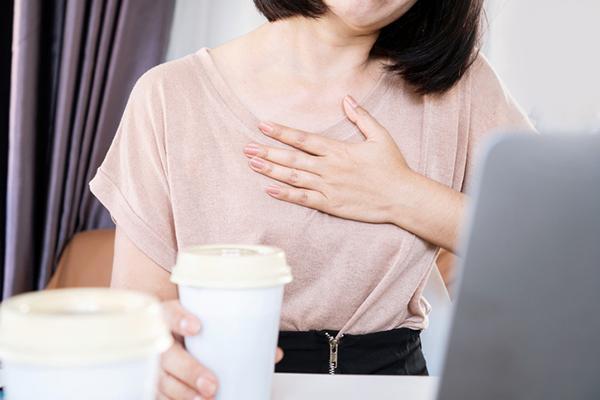
What is ventricular bigeminy?
Bigeminy is a usually harmless heart rhythm problem caused by premature heartbeats that may cause palpitations. Possible triggers include caffeine, stress, and lack of sleep. People with additional symptoms may need further testing.
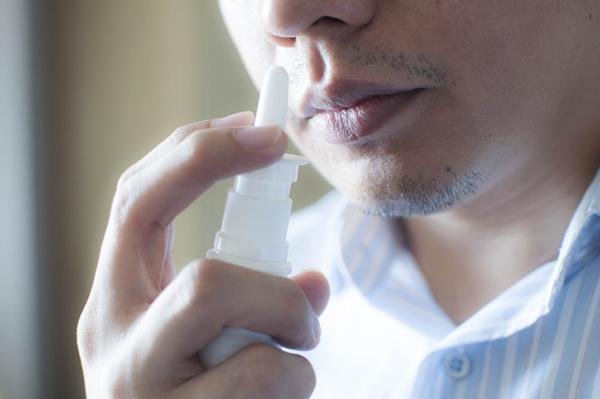
FDA approves nasal spray to treat rapid heart rhythm
In late 2025, the FDA approved a nasal spray to treat a sporadic, rapid heart rhythm called paroxysmal supraventricular tachycardia (PSVT). The self-administered spray, called etripamil (Cardamyst), may help people avoid emergency room treatment for PSVT.
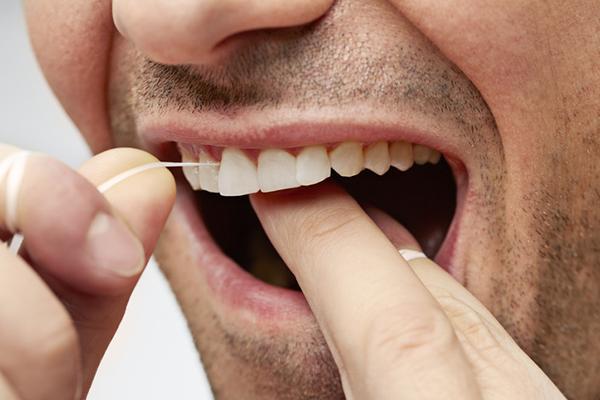
How gum disease may raise heart disease risk
Periodontal (gum) disease is linked to a higher risk of cardiovascular disease, possibly because gum disease can allow bacteria to enter the bloodstream, causing inflammation that damages blood vessels.
Smart watch may improve detection of atrial fibrillation
Wearing an Apple Watch capable of recording an electrocardiogram may increase the detection of atrial fibrillation in older adults at increased risk for stroke, according to a 2026 study.
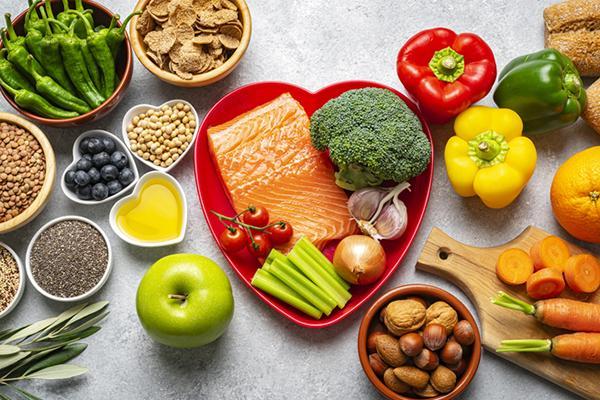
4 keys to a heart-healthy diet
The foundation of a heart-healthy diet should be minimally processed plant-based foods, which are good sources of fiber, protein, and phytonutrients. People should also limit saturated fat and make sure they consume omega-3 fatty acids.
Whole grains may improve several heart risk factors at once
Light exposure at night may raise risk for heart disease
Children of centenarians may stay healthier and live longer too, study finds
A lumbar belt may help ease low back pain
Signs of pneumonia: Sometimes vague and unexpected
Using a vibration plate: What it can — and can't — do for your body
The surprising link between ovarian cancer and the fallopian tubes
People who walk more or walk faster live longer, study finds
Rosacea treatments: What works?
For sleep apnea, a dental device may be as effective as CPAP
Free Healthbeat Signup
Get the latest in health news delivered to your inbox!
Sign Up
