Calorie deficit explained: Is it a safe, sustainable approach to weight loss?
Prediabetes diet: How to help prevent progression to diabetes
COPD symptoms: How to spot them early
Many older adults get health information from self-defined experts online
Routine cancer screenings for older adults: Mammograms, colonoscopies, PSA tests, and more
How PMOS (once called PCOS) affects women after menopause
Eating more soy and other legumes might ward off high blood pressure
Surgery for a torn meniscus appears to offer no benefit
AI in healthcare: Can a chatbot answer your medical questions?
Increasing daily steps may boost surgical recovery
Cholesterol and lipids Archive
Articles
Low-carb and high-fat diet helps obese older adults
In the journals
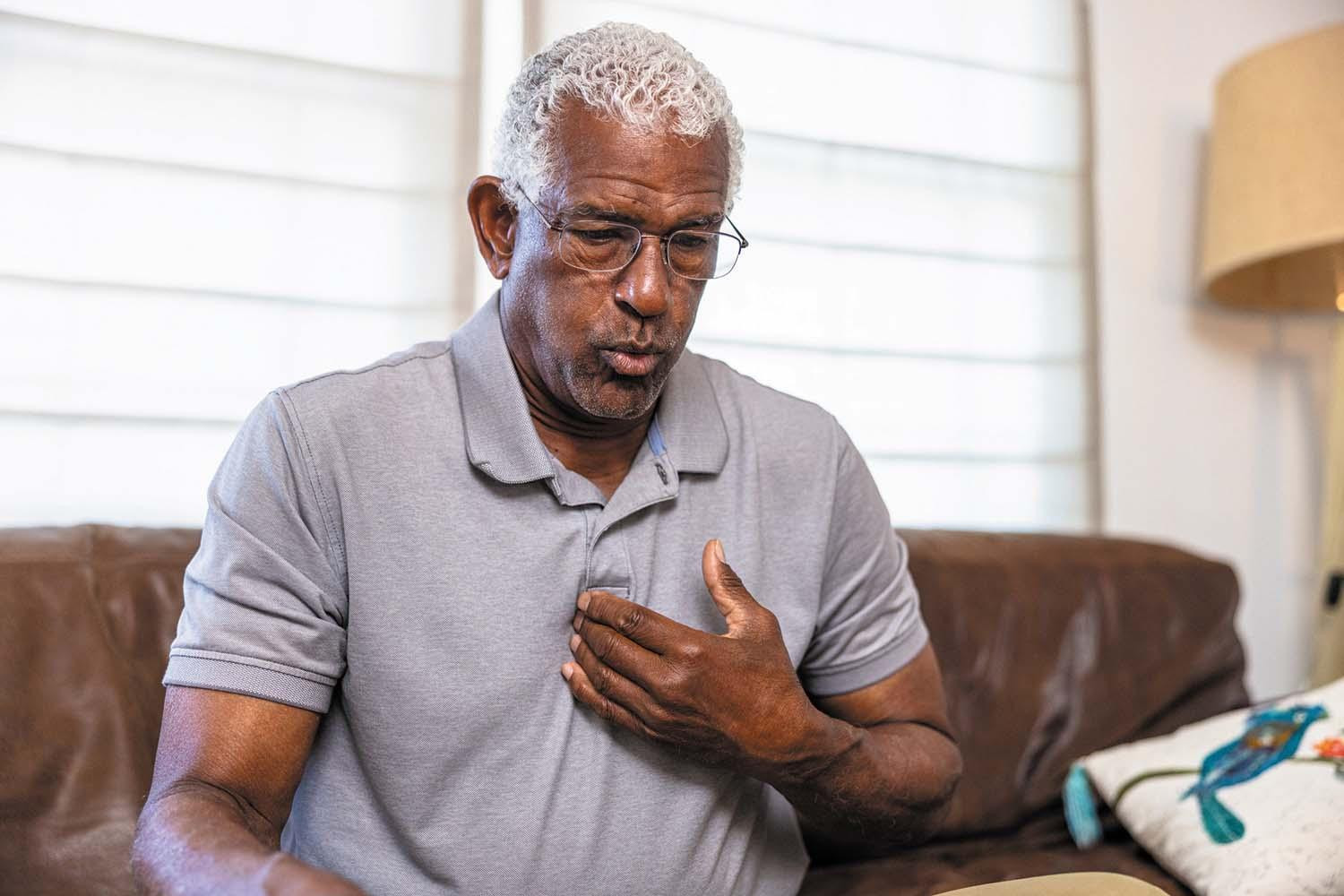
Scientists continue to explore the right balance of carbohydrates and fat in people's diets. But for overweight or obese older adults, a recent study found that a low-carbohydrate, high-fat diet might offer special health benefits. The results were published online Aug. 12, 2020, by Nutrition and Metabolism.
Researchers asked 40 obese adults, ages 60 to 75, to follow an eight-week diet in which 10% of calories came from carbs, 25% from protein, and 65% from fat. Carb sources included leafy greens, non-starchy vegetables, some fruit, and high-fiber grains. Protein intake consisted of eggs, fish, pork, and poultry. Fat-containing foods included olive oil, coconut oil, nut oils, nut butter, cheese, coconut milk, and avocados.
How does inflammation increase the risk for heart attacks?
Ask the doctor
Q. My doctor says I'm at risk for a heart attack because a test shows inflammation. I know about high cholesterol and blood pressure, but how does inflammation increase the risk for heart attacks?
A. I can understand why you're puzzled. In medical school I learned that there is a simple road to a heart attack. First, cholesterol starts building up in the wall of a coronary artery carrying blood to the heart muscle. Over many years, the plaque of cholesterol slowly grows bigger. When it grows large enough that the heart can't get the blood it needs to work hard, the heart cries out in pain — chest pain, a condition called angina. Finally, when the plaque grows large enough, it blocks the flow of blood completely, causing a heart attack. It was a beautifully simple explanation.
Non-HDL cholesterol, explained
Ask the doctor
 Image: © jarun011/Thinkstock
Q. My recent cholesterol test result included "non-HDL cholesterol." What is the significance of this number?
A. Your non-HDL cholesterol result refers to your total cholesterol value minus your HDL cholesterol. When you get your blood drawn for a cholesterol test (also known as a lipid profile or lipid panel), the report usually includes four numbers: low-density lipoprotein (LDL) cholesterol; high-density lipoprotein (HDL) cholesterol; triglycerides; and total cholesterol.
Taking statins later in life still offers heart benefits
In the journals
Age may not be a factor when it comes to who can benefit from statins. A study published online July 7, 2020, by JAMA found that people who started taking the cholesterol-lowering medication in their mid-70s or later had fewer heart-related problems and lived longer than non-users.
Researchers looked at 326,981 mostly male veterans, ages 75 and older, who were free of cardiovascular disease and did not take statins. Over the next 10 years, more than 57,000 began statin therapy.
Hot baths and saunas: Beneficial for your heart?
People who take frequent saunas or hot baths may lower their risk of heart problems. But be cautious if you have low blood pressure.
Soaking in a bathtub or basking in a sauna can be a pleasant way to relax. Done on a regular basis, both habits may also help prevent heart attacks and strokes, according to several studies.
"The high temperatures in a warm tub or sauna cause your blood vessels to dilate, which lowers blood pressure," says Dr. Adolph Hutter, professor of medicine at Harvard Medical School. The volume of blood your heart pumps will also rise, especially in a hot tub. That's a result of the pressure of the water on the body, which increases the heart's workload, he explains.
What do Twitter posts say about statins?
Many provide links to published research about these heart -protecting drugs. Others mention personal beliefs about statins, some of which are inaccurate.
Statins are among the most frequently prescribed medications in the United States. These cholesterol-lowering drugs help reduce the risk of heart attacks and strokes, especially for people who've already had one of those life-threatening events. But many people stop taking their statins or don't take them as prescribed, a phenomenon doctors refer to as nonadherence.
Hoping to gain some insight into this trend, researchers analyzed 11,852 posts that mentioned statins on Twitter over a five-year period. About a quarter of Americans use Twitter, which is one of the most popular social media platforms. Although many of the tweets featured ads or financial market information, nearly half were related to health issues associated with statins. Of these, more than a third provided resource information, such as a link to a published study. About 20% included personal beliefs or attitudes about statins, which proved to be quite polarized. Some people described statins as lifesaving, while others referred to them as poisonous or deadly, according to the researchers, whose study was published June 25, 2020, in JAMA Network Open.
How does sleep apnea affect the heart?
Â
Ask the doctor
Q. My husband is reluctant to get tested for sleep apnea. But I'm pretty sure that he has it, and I'm concerned because I've heard that it can contribute to heart disease. How are these two conditions connected?
A. As you likely know already, people with sleep apnea may snore loudly and may also periodically gasp for breath throughout the night. These explosive snorts often wake up bed partners or roommates — although not necessarily the person with apnea.
Seed of the month: Sesame seeds
Sesame seeds may be most familiar as a topping on bagels, burger buns, and breadsticks. The tiny, tear-shaped seeds have a nutty, slightly sweet flavor that's enhanced when they're baked or lightly toasted in a skillet. Most are off-white or tan, but you can also find black varieties, which are popular in Asian cuisine.
Sesame seeds contain lignans and phytosterols, plant compounds that may have cholesterol-lowering effects. They're also a decent source of calcium and magnesium, two minerals linked to better blood pressure control.
Grain of the month: Barley
You may be familiar with the claims featured on packages of old-fashioned oatmeal, which note that "As part of a heart-healthy diet, the soluble fiber in oatmeal can help reduce cholesterol." Guess what? Back in 2008, the FDA also approved the equivalent health claim for barley products.
In fact, barley contains about three times as much fiber per serving as oats. Barley is particularly rich in a type of soluble fiber known as beta glucan, which is recognized for its cholesterol-lowering abilities. Barley is also a good or excellent source of several vitamins and minerals.
Cracking coconut oil’s "health halo"
Research we're watching
Thanks to marketing strategies that tout coconut oil as healthy, many people consider this solid, white fat a health food. But a new analysis confirms what nutrition experts have said for years: Coconut oil raises harmful LDL cholesterol (a well-known contributor to heart disease) much more than other vegetable oils.
The study, published online March 10, 2020, by the journal Circulation, pooled findings from 16 trials involving a total of 730 people. Most of the trials lasted one to two months and compared coconut oil consumption with that of other fats, including other vegetable oils such as soybean, safflower, canola, and olive oils. Compared with these vegetable oils, coconut oil raised LDL cholesterol by 10 points, on average. An editorial accompanying the study states "In culinary practice, coconut oil should not be used as a regular cooking oil, although it can be used sparingly for flavor or texture."
Calorie deficit explained: Is it a safe, sustainable approach to weight loss?
Prediabetes diet: How to help prevent progression to diabetes
COPD symptoms: How to spot them early
Many older adults get health information from self-defined experts online
Routine cancer screenings for older adults: Mammograms, colonoscopies, PSA tests, and more
How PMOS (once called PCOS) affects women after menopause
Eating more soy and other legumes might ward off high blood pressure
Surgery for a torn meniscus appears to offer no benefit
AI in healthcare: Can a chatbot answer your medical questions?
Increasing daily steps may boost surgical recovery
Free Healthbeat Signup
Get the latest in health news delivered to your inbox!
Sign Up