Which number in a blood pressure reading is more important?
Ask the doctor
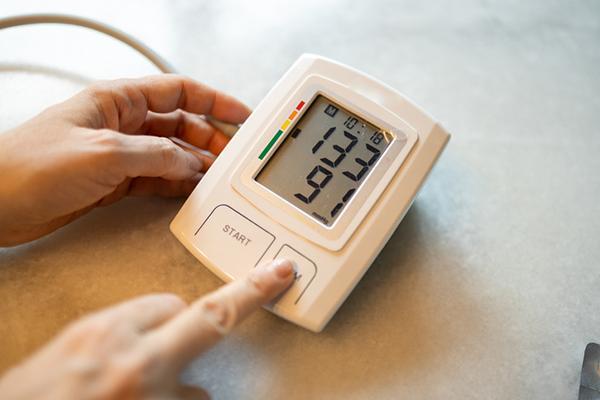
Q. Which blood pressure number is more important, the top number or the bottom number?
A. Doctors really started paying attention to the dangers of high blood pressure more than 50 year ago. Initial research focused on the bottom number, the diastolic blood pressure. That's the pressure in your blood vessels when the heart is at rest. The top number was pretty much ignored. That's called the systolic pressure, which reflects the force produced by the heart when it pumps blood out to the body.
So treatment for high blood pressure (hypertension) was aimed at keeping the diastolic pressure under 90. People who had only a high systolic reading did not get treatment to lower blood pressure.
In the 1980s, experts started telling us that both numbers were important. And more studies suggested that a high systolic pressure might even cause more strokes and heart disease than a high diastolic pressure.
A study of more than one million people confirms the greater impact systolic pressure has on our health. The longstanding number for an abnormal systolic blood pressure has been 140 mmHg or higher. That's the number researchers use to identify people with systolic hypertension.
The researchers analyzed electronic health records of people ages 30 and older. They did not have any history of heart disease, stroke, or blood vessel disease. About 20% of them were taking medicines to lower blood pressure at the time of the first record review.
The records were reviewed again several times over a median of 5.2 years. Researchers were looking for a first event of heart disease (angina, heart attack, or heart failure), stroke, abdominal aortic aneurysm (bulging aorta in the belly), or peripheral artery disease (narrowed arteries in the legs that cause pain with walking).
Abnormally high systolic pressures were linked with a greater risk of heart disease, stroke, and peripheral artery disease. Diastolic hypertension was associated with a slightly higher chance of developing an aortic aneurysm.
Today we know that just like LDL cholesterol levels, lower blood pressure (both systolic and diastolic pressure) is healthier. But when deciding when and how to treat high blood pressure, doctors tend to more focus more on systolic pressure readings first.
Image: © Kate Wieser/Getty Images
About the Author

Howard E. LeWine, MD, Chief Medical Editor, Harvard Health Publishing; Editorial Advisory Board Member, Harvard Health Publishing
Disclaimer:
As a service to our readers, Harvard Health Publishing provides access to our library of archived content. Please note the date of last review or update on all articles.
No content on this site, regardless of date, should ever be used as a substitute for direct medical advice from your doctor or other qualified clinician.