










Is it safe for me to take vitamin K if I am already taking Plavix and aspirin?
Ask the doctor
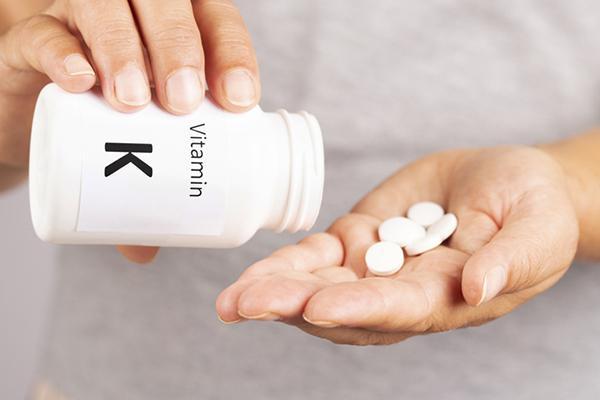
Q. I am taking clopidogrel (Plavix) and also an aspirin regimen (325 mg). Can I take a multivitamin that contains vitamin K?
A. Because the term "blood thinner" is often used to describe any drug or supplement that interferes with blood clotting, it's easy to confuse what you should and shouldn't do.
Our ability to form blood clots is a very complicated process. Two of the most basic steps in blood clotting are
- clumping of platelets at the site of blood vessel injury (platelets are cell-like structures that circulate in the bloodstream)
- activation of blood clotting proteins that tightly bind together to form the blood clot.
Plavix and aspirin work on the platelets to make them less sticky. There are no specific foods or vitamins that interact with these two medications. So, you don't need to be concerned about taking a multivitamin that contains vitamin K.
Warfarin (Coumadin) is probably the blood thinner you were considering when asking about vitamin K. To make four of the necessary blood clotting proteins, the liver must have access to sufficient amounts of vitamin K. Warfarin thins the blood by partially blocking the action of vitamin K in the liver. If a person takes too much vitamin K in the diet or as supplements, it can make warfarin less effective.
Since you didn't mention warfarin, vitamin K intake should not be an issue for you.
Image: © pepifoto/Getty Images
About the Author

Howard E. LeWine, MD, Chief Medical Editor, Harvard Health Publishing; Editorial Advisory Board Member, Harvard Health Publishing
Disclaimer:
As a service to our readers, Harvard Health Publishing provides access to our library of archived content. Please note the date of last review or update on all articles.
No content on this site, regardless of date, should ever be used as a substitute for direct medical advice from your doctor or other qualified clinician.


