Cancer Archive

Articles

Pancreatic cancer: Symptoms, treatment, and prevention

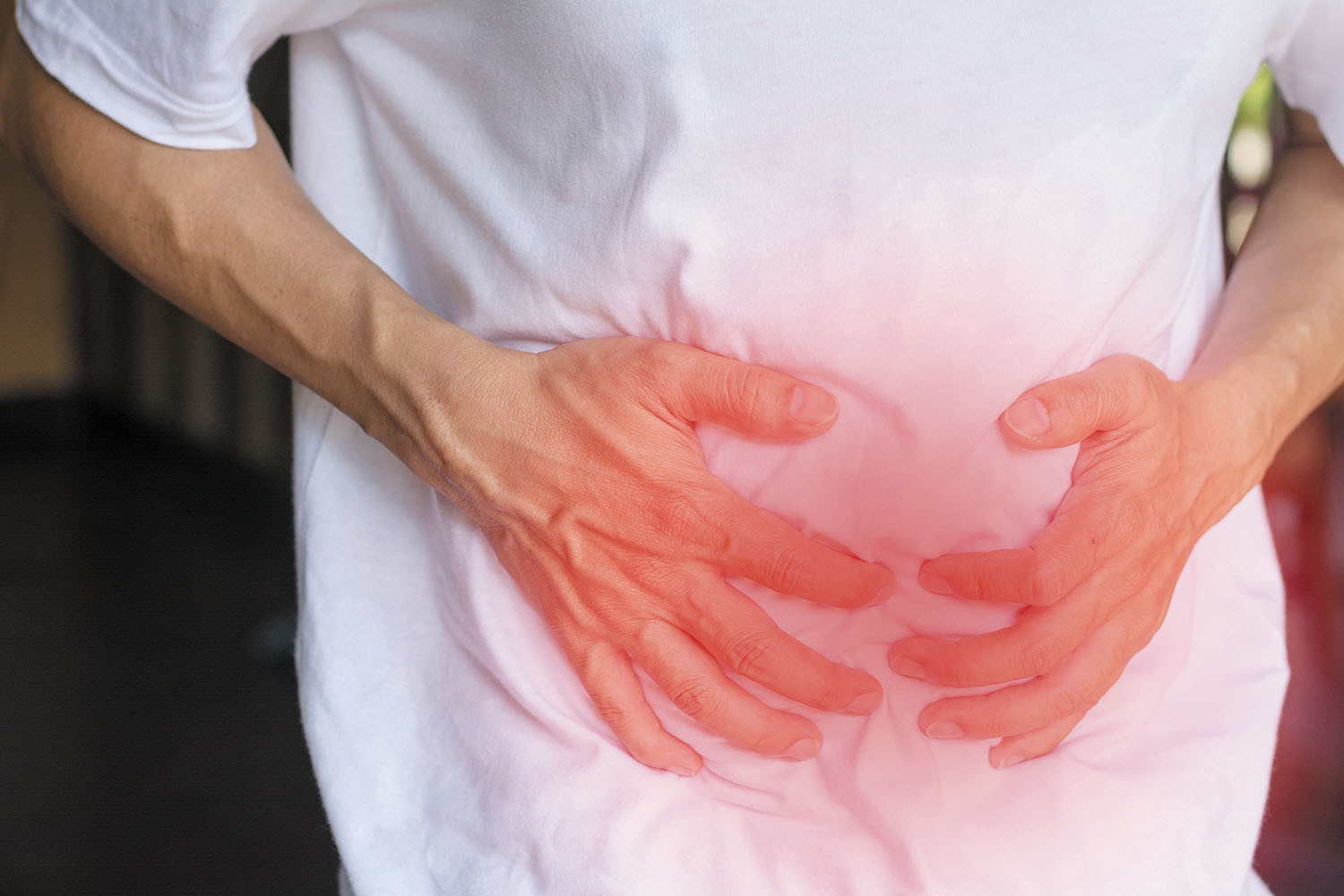
Hard to detect and quick to spread, pancreatic cancer is among the deadliest of cancers. Scientists hope that genetic research will make it more like other cancers-a treatable disease. But even if it's caught while confined to the pancreas-and it rarely is-just 16% of patients are alive five years after the initial diagnosis. By comparison, the five-year survival rate for localized breast cancer is 86%. If the cancer has spread beyond the pancreas, the likelihood of living another five years is just 2%. Only the statistics for liver cancer are as grim.

Fortunately, pancreatic cancer is uncommon compared with other major cancers. About 50,000 new cases are diagnosed every year in the United States, in contrast to about 250,000 new cases of breast cancer, and 225,000 new cases of lung cancer. But because it's so untreatable, pancreatic cancer causes about 40,000 deaths each year. It is the 4th leading cause of cancer death.

Testosterone, prostate cancer, and balding: Is there a link?

We can thank the Greeks for the name doctors apply to male hormones. Androgen comes from the words meaning "man-maker," and it's a well-chosen term. Testosterone is the most potent androgen, and it does make the man. It's responsible for the deep voice, increased muscle mass, and strong bones that characterize the gender, and it also stimulates the production of red blood cells by the bone marrow.

In addition, testosterone has crucial, if incompletely understood, effects on male behavior. It contributes to aggression, and it's essential for the libido or sex drive, as well as for normal erections and sexual performance. Testosterone stimulates the growth of the genitals at puberty, and it is one of the factors required for sperm production throughout adult life.

Certain symptoms may be early signs of ovarian cancer

Ovarian cancer has long been called a "silent killer," because symptoms are thought to develop only after the disease has reached an advanced stage and is largely incurable. But health experts have identified a set of physical complaints that often occur in women who have ovarian cancer and may be early warning signs. These symptoms are very common, and most women with them do not have ovarian cancer. But for the women who do, the hope is that greater awareness will lead to earlier diagnosis and treatment.

Four symptoms are more likely to occur in women with ovarian cancer than in women in the general population. These symptoms are bloating or increased abdominal size; pelvic or abdominal pain; difficulty eating or feeling full quickly; and urinary frequency or urgency.

Benefits of moderate sun exposure

Dr. Robert S. Stern, chair of the Department of Dermatology at Harvard-affiliated Beth Israel Deaconess Medical Center , calls them "solar-phobes": people so concerned about getting skin cancer that they stay inside or cover every bit of skin. "They cover up like they were going out into the Arabian Desert ," he says. The marketing of ultrablocking sunscreens and special sun-protective clothing plays into these fears.

There's no getting around the fact that sunlight is hard on your skin. Age gets blamed for wrinkles and rough, dry skin. But the real culprit is a combination of age and sun that dermatologists call photoaging. The short UVB wavelengths that cause sunburn can also damage DNA and suppress the skin's immune system. The longer, more penetrating UVA wavelengths may create highly reactive oxygen molecules capable of damaging skin cell membranes and the DNA inside.

The family history of cancer

If cancer runs in your family, there is much you can do to recognize your potential risk and catch the disease before it strikes.


Image: filipefrazao/Thinkstock

You may remember stories of your father's military service and your mother's hometown, but how much do you know about your family's medical history? In particular, do you know whether anyone on your mom or dad's side ever had cancer?

"Family history can be one of the first lines of defense in preventing cancer," says Dr. Huma Q. Rana, clinical director of the Center for Cancer Genetics and Prevention at Harvard-affiliated Dana-Farber Cancer Institute.

Electroacupuncture may ease hot flashes, aid sleep in breast cancer survivors

Electroacupuncture may be an effective alternative to medication for relieving hot flashes causing sleep disturbances in postmenopausal women.

Immediate radiation when PSA levels spike after prostate cancer surgery helps reduce risk of recurrence

After prostate cancer surgery, the patient’s prostate-specific antigen (PSA) is monitored by his doctor via a simple blood test. New research indicates that if the PSA increases following surgery, immediate radiation therapy can reduce the risk of cancer recurrence.

Treatment versus monitoring of prostate cancer: Survival rates the same after 10 years

Two new studies add to the evidence that for many men with prostate cancer, if it is detected early and has not metastasized beyond the prostate gland, monitoring the cancer will lead to the same chance of survival after 10 as choosing surgery or radiation. Men treated with surgery or radiation often experience significant side effects. The rates of depression and anxiety were the same in men who opted for monitoring and those who opted for treatment.

Free Healthbeat Signup

Get the latest in health news delivered to your inbox!

Sign Up
Harvard Health Publishing Logo

Thanks for visiting. Don't miss your FREE 32-page gift worth $29.95.

PLUS, don’t miss out on your 25% off promo code.

Sign up to get tips for living a healthy lifestyle—You’ll discover powerful, research- backed strategies for health longevity drawn from Harvard Medical School experts—ways to eat for a longer life, build strength and flexibility to stay independent, protect your bones, heart, and brain as you age, and even cultivate the habits linked with “super-agers” who stay sharp and active well into their 80s and 90s—all delivered to your email box FREE.

Harvard Health Publishing Logo

Stay on top of latest health news from Harvard Medical School.

Plus, get a FREE copy of Living Longer, Living Well!.

Harvard Health Publishing Logo

Stay on top of latest health news from Harvard Medical School.

Plus, get a FREE copy of Living Longer, Living Well.