

Light exposure at night may raise risk for heart disease

Whole grains may improve several heart risk factors at once

A lumbar belt may help ease low back pain

Children of centenarians may stay healthier and live longer too, study finds

Signs of pneumonia: Sometimes vague and unexpected

The surprising link between ovarian cancer and the fallopian tubes

Using a vibration plate: What it can — and can't — do for your body

People who walk more or walk faster live longer, study finds

For sleep apnea, a dental device may be as effective as CPAP

Rosacea treatments: What works?
Breast Cancer Archive
Articles

7 things you can do to avoid drug interactions
Each of your medications may be affecting how the others work, leading to harmful side effects and complications.
Each additional medication you take increases the risk of drug interactions.
Image: SheilaFitzgerald/Thinkstock
Are you taking more than one drug? Are you taking a few different types of medications? Are you seeing several different doctors? If so, you may be at increased risk for drug interactions, which occur when a drug, a supplement, or even a food affects the way your body processes a medication. Such interactions can make a drug more powerful—so that a standard dose becomes an overdose—or can render it less potent or altogether ineffective.
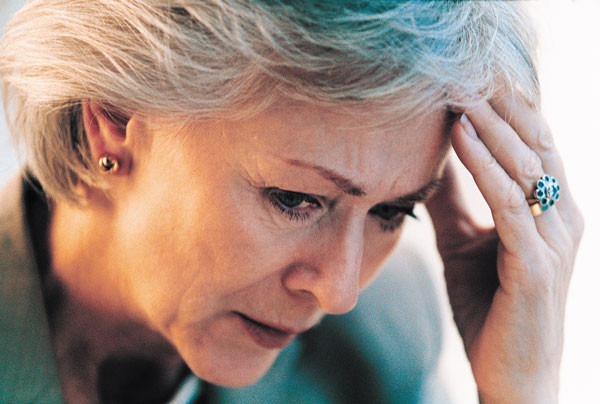
How to handle a headache
Intermittent tension-type headaches may seem like a consequence of everyday life. Yet you can minimize and even prevent them.
Tension-type headaches can be annoying, but they can often be nipped in the bud by using nonprescription pain relievers.
Image: Digital vision/Thinkstock
Compared to migraines, tension-type headaches are a mere annoyance. They tend to be relatively mild and usually aren't accompanied by nausea or oversensitivity to light or sounds. Yet they can occasionally disrupt your day, making it difficult to concentrate on work or enjoy leisure pastimes.

Why controlling your weight lowers your risk of diabetes
Inflammation is an important link between obesity, elevated blood sugar, and type 2 diabetes.
Weight loss can reduce inflammation—a major contributor to diabetes.
Image: tetmc/Thinkstock
We've known for a long time that being overweight is a major risk factor for developing type 2 diabetes. But only in the last 20 years have researchers determined that metabolism and immune responses are linked and that chronic inflammation plays an important role in the development of obesity, diabetes, and related metabolic diseases. "Inflammation is not only associated with obesity, diabetes, and cardiovascular disease, but also precedes and predicts these conditions," says Dr. Allison Goldfine, head of the Clinical Research section at Harvard-affiliated Joslin Diabetes Center.

Mammograms identify heart disease risk
Research We’re Watching
Image: Frans Rombout/Thinkstock
When specks of calcium appear in ductal tissue on mammograms, they can indicate a small cancer. But when calcifications are found in the breast arteries, they haven't been a cause for concern. However, in recent years, physicians have begun to suspect that arterial calcifications in the breast, like calcifications in the coronary arteries of the heart, can be an early sign of cardiovascular disease.
A team of researchers at Mount Sinai St. Luke's Medical Center in New York City studied the test results of 292 women who'd had digital mammography and non-contrast CT chest scans within a year. None of the women were known to have heart disease. They found that 42.5% of the women had evidence of breast artery calcifications on mammography, and of these, 70% also had evidence of coronary artery calcification on their CT scans. Moreover, 63% of those whose CT images revealed coronary artery calcifications had breast artery calcifications as well. Over all, the results indicated that women with breast artery calcifications are three times as likely as those who don't to have coronary artery calcifications. The study was published online March 24, 2016, by JACC Clinical Imaging.

Can mammograms help reveal heart disease?
Research we're watching
Mammograms, which are widely used to detect early breast cancer, may also be an effective tool for spotting early signs of heart disease, a small study suggests.
The study, in the April JACC: Cardiology Imaging, involved nearly 300 women free of heart disease. All underwent both a mammogram and a computed tomography (CT) scan of the chest. The mammograms showed calcifications (which look like a chalked line) in the arteries within the breast in just over 40% of the women. These artery calcifications are different from the irregular spots of calcifications that may indicate early cancer.
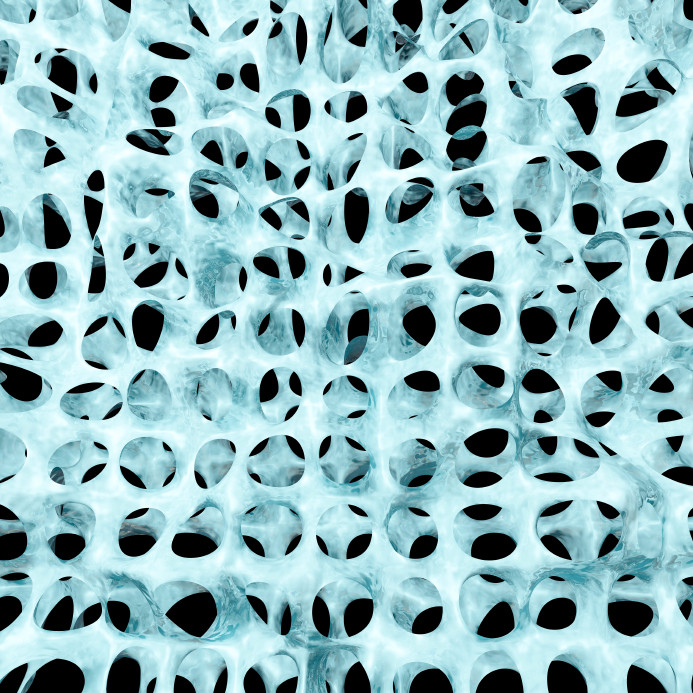
Starting an osteoporosis drug? Here’s what you need to know
In its early stages, osteoporosis has no symptoms but causes millions of bone fractures every year, often resulting in loss of function and, disability and even death from the complications of the fracture. There are effective medications to prevent osteoporosis, but they can have serious (though rare) side effects. It’s best to talk discuss with your doctor to understand all your options and make an informed decision on how to best protect your bones.

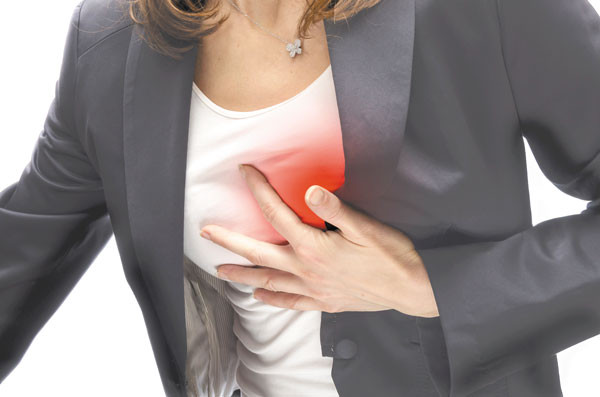
The heart attack gender gap
Heart attacks strike men at younger ages than women. But survival rates are worse in women. Why?
Compared with men, women are less likely to recognize and act upon the symptoms of a heart attack.
Image: zaganDesign/Thinkstock
Imagine someone in the throes of a heart attack. If you picture a man clutching his chest in agony, that's understandable. At younger ages, men face a greater risk of heart disease than women. On average, a first heart attack—the most common manifestation of this prevalent disease—strikes men at age 65. For women, the average age of a first heart attack is 72.

Over 35 and expecting: Is it safer to give birth “early”?
For women having children over age 35, the decision to induce labor is usually based on an increased risk of stillbirth. The duration of labor also factors into the decision, as does the possibility that induction could increase the chance of a cesarean birth, though current medical evidence does not necessarily support this assertion.

Thyroid disease and breast cancer: Is there a link?
Researchers have wondered for a long time whether there might be a link between excess thyroid hormone and an increased risk of breast cancer. High levels of thyroid hormone have been shown to mimic estrogen, which fuels many breast cancers. A new study has suggested that there may indeed be a link — but it’s important to put the results into context.
Light exposure at night may raise risk for heart disease
Whole grains may improve several heart risk factors at once
A lumbar belt may help ease low back pain
Children of centenarians may stay healthier and live longer too, study finds
Signs of pneumonia: Sometimes vague and unexpected
The surprising link between ovarian cancer and the fallopian tubes
Using a vibration plate: What it can — and can't — do for your body
People who walk more or walk faster live longer, study finds
For sleep apnea, a dental device may be as effective as CPAP
Rosacea treatments: What works?
Free Healthbeat Signup
Get the latest in health news delivered to your inbox!
Sign Up
