

Light exposure at night may raise risk for heart disease

Whole grains may improve several heart risk factors at once

A lumbar belt may help ease low back pain

Children of centenarians may stay healthier and live longer too, study finds

Signs of pneumonia: Sometimes vague and unexpected

The surprising link between ovarian cancer and the fallopian tubes

Using a vibration plate: What it can — and can't — do for your body

People who walk more or walk faster live longer, study finds

For sleep apnea, a dental device may be as effective as CPAP

Rosacea treatments: What works?
Breast Cancer Archive
Articles

Does regular exercise reduce cancer risk?
It appears people with the highest levels of physical activity have lower rates of cancer of the esophagus, lung, kidney, colon, head and neck, rectum, bladder and breast, compared with people with the lowest levels of physical activity.

What is a synthetic human genome?
A group of scientists wants to develop technology to create a synthetic human genome, which could lead to improved organ transplantation, vaccines and medicines, and to new ways to fight cancer and infections.
More evidence that a healthy lifestyle might help prevent cancer
It appears that four healthy habits—getting 150 minutes of moderate-intensity exercise per week, maintaining a body mass index between 18.5 and 27.5, no smoking, and drinking only in moderation—may prevent many cancer cases and death in white people.

Progesterone supplements don’t help prevent miscarriage
Miscarriages can be devastating — especially for women who experience recurrent miscarriage, defined as three or more in a row. Doctors used to give these women supplements of progesterone, a hormone that helps maintain a healthy pregnancy. However, a recent study has confirmed that these supplements don’t improve pregnancy outcomes. For those who experience recurrent miscarriage, the best solution may be to simply keep trying.
Are there any advantages to human growth hormone?
The hype around human growth hormone (HGH) comes from a few studies that showed HGH injections can increase lean body mass and shrink body fat, which led to claims of HGH as an “anti-aging” hormone. Yet, the benefits of HGH supplementation for older adults are unproven, and there are concerns about potential side effects.
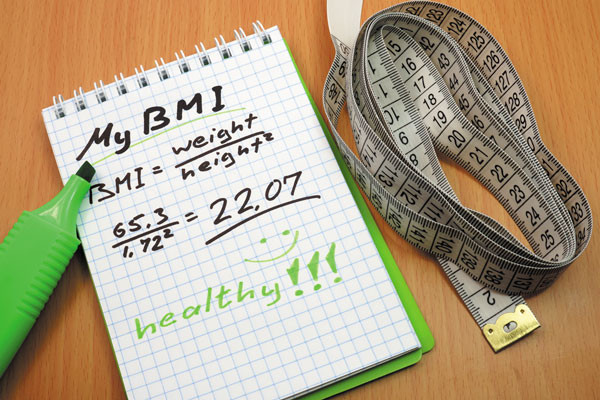
Is body mass index (BMI) still the best measure of body fat?
Body mass index (BMI) is still the best way to assess body fat for most people.
Why am I gaining weight?
Lifestyle measures can help to minimize postmenopausal weight gain and maximize health.

Don’t accept a diminished sex life as a “side effect” of illness
Living with a chronic condition or as a survivor of cancer or a heart attack needn't take a toll on intimate relationships.
Image: Jack Hollingsworth/Thinkstock
Strategically timing when you take pain medication can make sex more comfortable.
Sexual satisfaction is an important part of well-being, yet women who have been successfully treated for cancer or are living with chronic conditions often accept a diminished sex life as a trade-off for being alive. "Women with cancer go through surgery, chemotherapy, and radiation in order to be alive, but once they're through treatment they may not feel as though they are really living to the fullest," says Dr. Sharon Bober, a psychologist at Harvard-affiliated Dana-Farber Cancer Institute. Women with cardiovascular disease, diabetes, and arthritis may also feel that their health issues have eroded their intimate relationships.
Endometriosis linked to increased risk of heart disease
Women who have a history of endometriosis—a risk factor for cardiovascular disease—should take measures to reduce their other cardiovascular risk factors.
Prompt attention to “ministrokes” may reduce risk of subsequent stroke
Getting immediate attention for symptoms of a transient ischemic attack can minimize the risk of a subsequent stroke.
Light exposure at night may raise risk for heart disease
Whole grains may improve several heart risk factors at once
A lumbar belt may help ease low back pain
Children of centenarians may stay healthier and live longer too, study finds
Signs of pneumonia: Sometimes vague and unexpected
The surprising link between ovarian cancer and the fallopian tubes
Using a vibration plate: What it can — and can't — do for your body
People who walk more or walk faster live longer, study finds
For sleep apnea, a dental device may be as effective as CPAP
Rosacea treatments: What works?
Free Healthbeat Signup
Get the latest in health news delivered to your inbox!
Sign Up
