

Light exposure at night may raise risk for heart disease

Whole grains may improve several heart risk factors at once

A lumbar belt may help ease low back pain

Children of centenarians may stay healthier and live longer too, study finds

Signs of pneumonia: Sometimes vague and unexpected

The surprising link between ovarian cancer and the fallopian tubes

Using a vibration plate: What it can — and can't — do for your body

People who walk more or walk faster live longer, study finds

For sleep apnea, a dental device may be as effective as CPAP

Rosacea treatments: What works?
Breast Cancer Archive
Articles

Cancer and diet: What’s the connection?
Your dietary habits can promote cancer or protect against it.
Image: Udra/ Thinkstock
The link between cancer and diet is just as mysterious as the disease itself. Much research has pointed toward certain foods and nutrients that may help prevent—or, conversely, contribute to—certain types of cancer.
While there are many factors you can't change that increase your cancer risk, such as genetics and environment, there are others you can control. In fact, estimates suggest that less than 30% of a person's lifetime risk of getting cancer results from uncontrollable factors. The rest you have the power to change, including your diet.

Join the healthy heart trend
The rates of heart disease have dropped over the past decade. How can you be part of this pattern?
Image: Photos.com/ Thinkstock
Heart disease continues to be the No. 1 cause of death among men, but there is some good news—fewer older adults have heart disease. A recent report from the National Health and Nutrition Examination Survey found the rates for this condition among people age 60 and older have fallen from 19.5% to 14.9% in the past decade.
What caused this downward trend? And how can you follow?

Adapting to life after cancer
Once you've completed treatment, adjusting to a "new normal" can be challenging.
Image: RuslaGuzov/ Thinkstock
Completing cancer therapy can feel like a graduation. You've done some hard work, it's paid off, and you may be ready to celebrate. But saying goodbye to treatment can arouse many of the emotions and uncertainties associated with beginning a new chapter in life.
Dr. Larissa Nekhlyudov is a general internist who works with cancer survivors at two Harvard affiliates, Brigham and Women's Hospital and Dana-Farber Cancer Institute. She acknowledges that cancer survivors have a lot to deal with. "Once you've had your final chemotherapy infusion or swallowed the last pill, you may find yourself facing a new set of challenges—monitoring yourself for signs of recurrence, getting recommended follow-up care, adjusting to the long-term effects of treatment, psychologically adapting to normal life, and working to stay in good health," Dr. Nekhlyudov says.

You can protect yourself against superbugs
Some simple preventive measures can keep antibiotic-resistant bacteria at bay.
Image: hxdbzxy /Thinkstock
Although the Zika virus got more publicity throughout the summer, another—and even scarier-sounding—microbe also made headlines. Dubbed a new "superbug," strains of E. coli resistant to the antibiotic colistin were found in the United States. Colistin is a drug often used when others fail to control a bacterial infection. Fortunately, the bacteria weren't resistant to other antibiotics, which cleared the infections. "Although this particular case of antibiotic resistance may not be as dire as the media made it sound, in general these increasingly high-level resistances are an enormous problem," says Dr. Sarah Fortune, professor of immunology and infectious diseases at Harvard T.H. Chan School of Public Health.
Why superbugs are such a problem
Like other forms of life, bacteria are always evolving to become stronger and survive longer. One of the ways they increase their chances of survival is to acquire genes that help them resist threats—including natural enemies like viruses and man-made weapons like antibiotics. These genes can spring up within a bacterium through mutations and are passed down to subsequent generations of the microbe. In addition, they can be found on rings of DNA called plasmids, which can be transmitted to other types of bacteria, enabling the resistance to spread wider and faster. The E. coli strains discovered in 2016 raised concern because they carry the colistin-resistance gene on plasmids and thus have the potential to transfer the plasmids to bacteria that are already resistant to several other antibiotics.

Birth control right after having a baby: Why it’s important, why it should be covered
Many women may plan to start using birth control at their six-week postpartum checkup, but as many as 40% of women do not go to a follow-up appointment. The American Congress of Obstetricians and Gynecologists advocates for offering women the option of long-acting, implantable contraceptives in the period immediately following giving birth, before leaving the hospital. It’s safe, effective, and eliminates the need for an outpatient visit during a hectic time. Making postpartum contraception easily available and a covered benefit is essential to reduce unintended pregnancy and rapid, repeat pregnancy rates.

Would having stronger core muscles speed my recovery from abdominal surgery?
Strong core muscles and overall fitness are linked to shorter surgical recovery times.
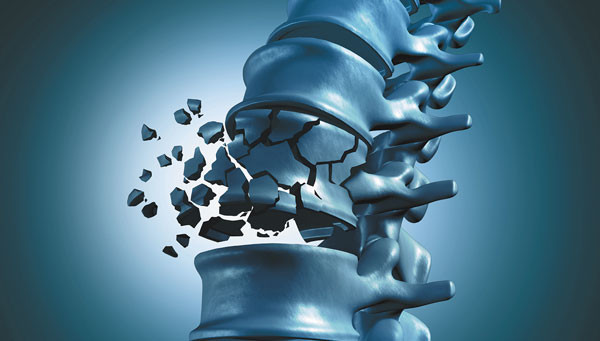
Shunning osteoporosis treatment isn’t a wise decision for most women
Forgoing drugs that slow bone loss to avoid rare side effects can be the wrong decision for your hips and spine.
Image: wildpixel/Thinkstock
A front-page article in the June 1, 2016, edition of The New York Times carried this headline: "Fearing drugs' rare side effects, millions take their chances with osteoporosis." The article described a situation all too familiar to doctors. Women are declining prescriptions of bisphosphonates—drugs that slow the rate at which the body breaks down bone—or discontinuing the medications far earlier than recommended. In fact, according to a 2015 report in the Journal of Bone and Mineral Research, the rate of bisphosphonate use fell by half between 2008 and 2012. That article documented a wave of media coverage of scientific studies that reported two rare side effects—osteonecrosis (bone death) of the jaw and atypical fractures near the top of the femur (thigh-bone)—and suggested that the reports had kindled fears that had led women to abandon bisphosphonates.
"The perception of risk is so much greater than the actual risk," says Dr. Meryl LeBoff, director of the skeletal health and osteoporosis center at Harvard-affiliated Brigham and Women's Hospital. Compared with many other common diseases, we are fortunate that we have good therapies to reduce the risk of osteoporotic fractures by 70% at the spine and 40 to 50% at the hip. She points to statistics referenced in the New York Times article: for every 100,000 women taking a bisphosphonate, fewer than three will have osteonecrosis of the jaw and one will have an atypical femur fracture, but 2,000 will have avoided an osteoporotic fracture.

Why you should heed a ministroke
Transient ischemic attacks, or TIAs, can signal an impending stroke, but prompt care can minimize damage.
Image: FlairImages/Thinkstock
Have you ever experienced a brief episode when your body seemed to be a little off—your vision was blurry, your speech slightly slurred, or one side of your body felt weaker than the other? If so, you may have experienced a transient ischemic attack (TIA), says Dr. Natalia Rost, a neurologist at Harvard-affiliated Massachusetts General Hospital. She notes that many women may assume they have suffered a migraine and get back to life as usual once the episode has passed. In fact, a TIA is a serious medical issue and warrants getting immediate treatment.
Immediate treatment is key
Having a TIA is usually a sign that you may have already endured a few "silent strokes"—interruptions of blood flow to the brain—and may have accumulated some brain damage as a result, Dr. Rost says. However, getting prompt attention for a TIA can significantly reduce your chance of having a major stroke and incurring greater damage.
A team of French researchers reported in April 2016 that people who received care from a stroke specialist within 24 hours of a TIA had only a 4% risk of having a major stroke within the next three months, compared with the average risk of 12% to 20%. Recent studies also show that people who got prompt treatment from stroke specialists in the hospital or clinic were much more likely to get the appropriate follow-up treatments, including aspirin, blood thinners, and blood pressure medication. "Just as getting prompt treatment for chest pain minimizes damage from a heart attack, getting help for a TIA diminishes the effects on the brain," Dr. Rost says.
Yet studies have shown that women aren't as likely as men to get brain-sparing treatments. A 2013 study indicated that gender discrimination wasn't the problem; women were less likely than men to seek help within four hours of the start of symptoms, when clot-busting therapies are most effective. Women who sought help within four hours received the same treatment as men did.
Why white matter really matters
What you should do
Dr. Rost suggests doing everything you can to minimize white-matter damage—controlling your blood pressure, cholesterol, and blood glucose are important. So is a lifestyle that includes regular exercise, a healthy diet, and not smoking. "While it's important to get help for a TIA, it's better to avoid one altogether," Dr. Rost says.

Pessary and exercise relieve symptoms for women with pelvic floor prolapse
A pessary and pelvic floor exercises can improve symptoms of pelvic floor prolapse.

Beverage temperature tied to cancer risk
Beverages consumed at temperatures above 150° F may contribute to esophageal cancer.
Light exposure at night may raise risk for heart disease
Whole grains may improve several heart risk factors at once
A lumbar belt may help ease low back pain
Children of centenarians may stay healthier and live longer too, study finds
Signs of pneumonia: Sometimes vague and unexpected
The surprising link between ovarian cancer and the fallopian tubes
Using a vibration plate: What it can — and can't — do for your body
People who walk more or walk faster live longer, study finds
For sleep apnea, a dental device may be as effective as CPAP
Rosacea treatments: What works?
Free Healthbeat Signup
Get the latest in health news delivered to your inbox!
Sign Up
