

Healing after food poisoning

What is tempeh? Benefits, nutrition, and how to use it

Light exposure at night may raise risk for heart disease

Whole grains may improve several heart risk factors at once

A lumbar belt may help ease low back pain

Children of centenarians may stay healthier and live longer too, study finds

Signs of pneumonia: Sometimes vague and unexpected

The surprising link between ovarian cancer and the fallopian tubes

Using a vibration plate: What it can — and can't — do for your body

People who walk more or walk faster live longer, study finds
Breast Cancer Archive
Articles


Are colon cancer screenings necessary after a certain age?
On call
Q. I am 77 and in overall good health. My previous colonoscopies to check for colon cancer have been normal. Can I stop having them?
A. The major benefit of colon cancer screening is seen in men ages 50 to 75. After age 75, the potential benefit is smaller, and the risks and side effects of the procedure — like bleeding and perforation of the colon — are higher.
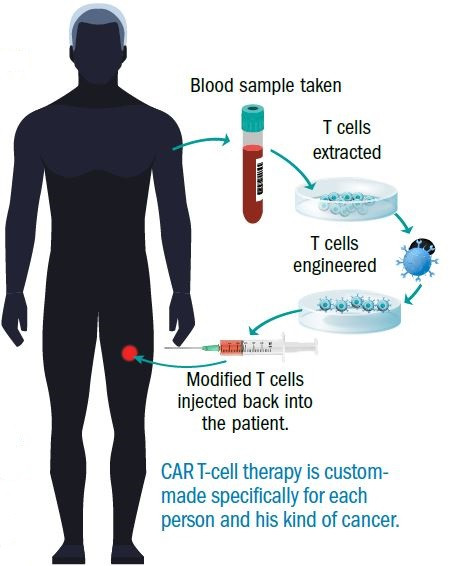
Teaching T cells to fight cancer
CAR T-cell immunotherapy helps the immune system seek out and kill cancer cells.
CAR T-cell immunotherapy adds a new weapon in the fight against cancer. Immunotherapy, one of the most exciting advances in cancer treatment, helps the immune system better target and kill cancer cells by focusing only on the cancerous cells while sparing the healthy ones.
One of the most innovative immunotherapies today is chimeric antigen receptor (CAR) T-cell therapy, which is custom-made for individuals and their specific cancer.
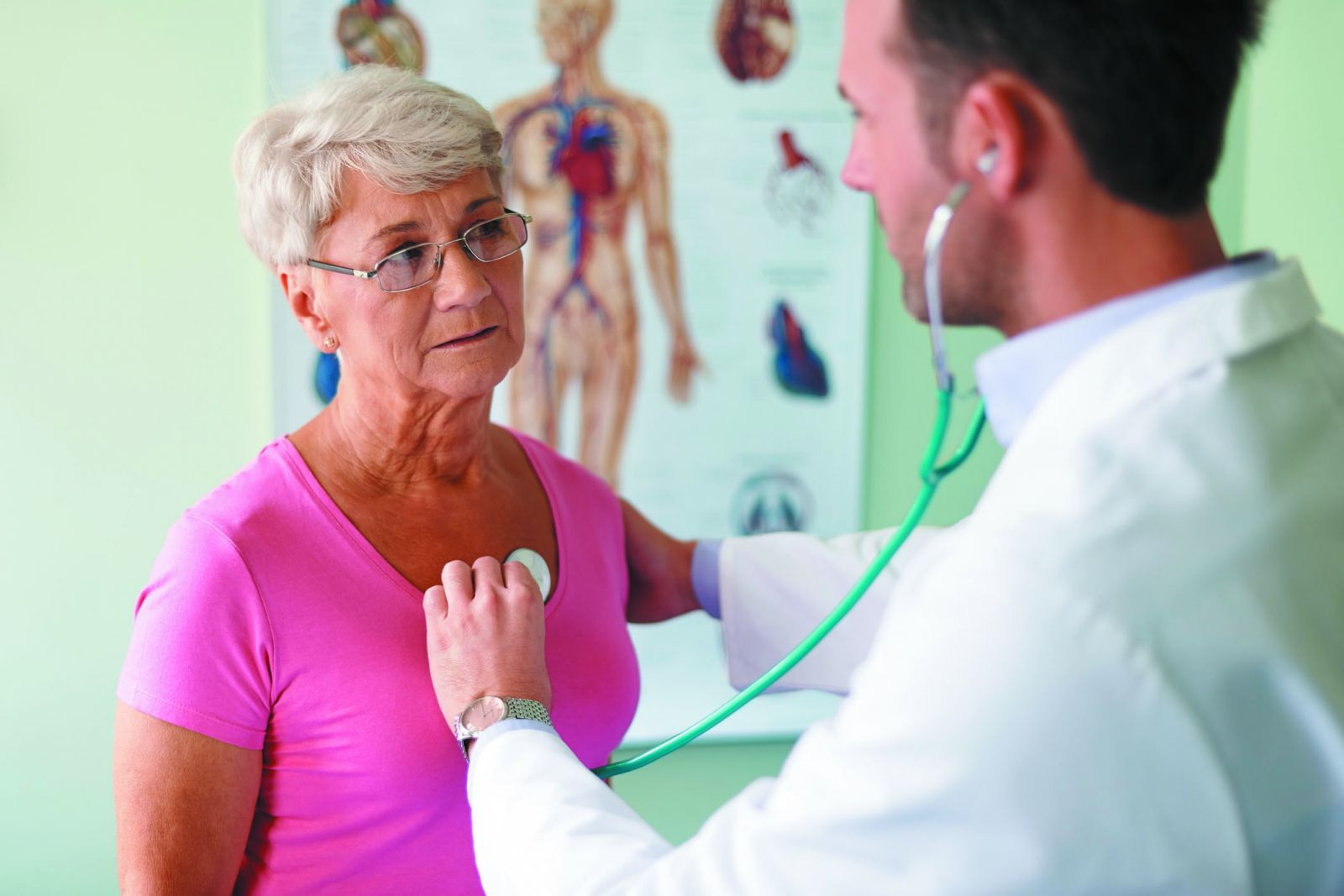
Don’t underestimate your heart risks
Start a conversation with your doctor about your risk factors.
Image: © gpointstudio/Thinkstock
Statistically speaking, your heart is the biggest threat to your health. In 2014, more women died from cardiovascular disease than from cancer, chronic lung disease, and diabetes combined, according to the American Heart Association (AHA).
But have you talked with your doctor about your risk factors? Many women haven't, according to a pair of surveys published in the June issue of the Journal of the American College of Cardiology (JACC). The surveys also show that this top-ranked threat to women's health isn't getting nearly the attention it deserves from many women and their doctors.
Melanoma isn’t the only skin cancer
Research we're watching
You probably know to have your skin checked frequently for the signs of melanoma. But you should also be looking out for another, more common type of skin cancer — squamous cell carcinoma. This potentially lethal skin cancer can show up on your skin as a white or pink bump, a non-healing sore, or even a scaly patch. According to the American Academy of Dermatology, cases of squamous cell carcinoma are on the rise, with some 700,000 new diagnoses each year.
"While other skin cancers may be more lethal, they're less common," writes Dr. M. Laurin Council, an assistant professor of dermatology at Washington University in St. Louis. "Squamous cell carcinoma is highly treatable when detected early, so it's important for people to know the signs of this disease and keep a close eye on their skin."

Is my bruising normal?
Ask the doctors
Q. I've found that I bruise more easily as I've gotten older. Is that normal?
A. If you're noticing more black-and-blue marks on your body, it's most likely not a skin or blood problem. Age-related changes to your skin and underlying blood vessels can make you more prone to bruising.

An aspirin a day for your health?
A daily low-dose aspirin may help prevent stroke and certain cancers, but the therapy carries certain risks you'll want to discuss with your physician.
It used to be that you would reach for an aspirin only if you had a headache or an achy joint, but current research shows that low doses of the drug may reduce your risk of stroke and even help prevent colorectal cancer.
So, does this mean you should head to the pharmacy, grab a bottle, and pop a tablet every morning to ward off disease? The short answer is, maybe — but only after you have a detailed conversation with your doctor about the potential benefits and risks. A low-dose aspirin regimen is certainly not appropriate for every woman.

Gender equality? Not when it comes to alcohol and the brain
Gender differences in the brain's reward system could mean that women who need help kicking alcohol may need different types of treatment.
Image: © Jupiterimages/Thinkstock
Men and women aren't created equal — at least when it comes to drinking alcohol. If you drink a glass of wine, you will typically have a higher blood alcohol level than a man who drinks the same amount, because of differences in the way your body processes alcohol. And if you drink more than the recommended amount, you may also be more susceptible to health problems — including liver disease and brain changes — than a man who does the same.
A new study from researchers at Harvard-affiliated Massachusetts General Hospital and Boston University has added another potential concern to that list, by showing that alcoholism may also have different effects on the reward systems in men's and women's brains.
Erectile dysfunction drugs not linked to melanoma
In the journals
The erectile dysfunction drugs collectively known as phosphodiesterase type 5 (PDE5) inhibitors, such as sildenafil (Viagra), may not cause melanoma, the most dangerous form of skin cancer, according to a study published online May 19, 2017, by the Journal of the National Cancer Institute.
In 2016, the FDA put PDE5 inhibitors on its watch list of medications with possible safety issues after some studies suggested they might increase the risk for melanoma. In response to the FDA's action, researchers analyzed data from five large-scale studies of the issue, involving 866,049 men, published between 2014 and 2016.
Healing after food poisoning
What is tempeh? Benefits, nutrition, and how to use it
Light exposure at night may raise risk for heart disease
Whole grains may improve several heart risk factors at once
A lumbar belt may help ease low back pain
Children of centenarians may stay healthier and live longer too, study finds
Signs of pneumonia: Sometimes vague and unexpected
The surprising link between ovarian cancer and the fallopian tubes
Using a vibration plate: What it can — and can't — do for your body
People who walk more or walk faster live longer, study finds
Free Healthbeat Signup
Get the latest in health news delivered to your inbox!
Sign Up
