

Healing after food poisoning

What is tempeh? Benefits, nutrition, and how to use it

Light exposure at night may raise risk for heart disease

Whole grains may improve several heart risk factors at once

A lumbar belt may help ease low back pain

Children of centenarians may stay healthier and live longer too, study finds

Signs of pneumonia: Sometimes vague and unexpected

The surprising link between ovarian cancer and the fallopian tubes

Using a vibration plate: What it can — and can't — do for your body

People who walk more or walk faster live longer, study finds
Breast Cancer Archive
Articles
Factors that increase your risk for a secondary cancer
Several factors can make you more likely to develop a secondary cancer. Some are under your control. Others aren't. It's important for you to discuss your risks with your doctor and find out what you can do to lower your odds of developing cancer again. Equally important, discuss how often you need to get screened, so you can catch any new cancers early.
Childhood cancer. If you developed cancer before age 15, you'll need to stay on top of your health in the years to come. Some childhood tumors are caused by inherited syndromes that contribute to a lifelong increased risk for cancer. For example, Li-Fraumeni syndrome can lead to sarcoma, leukemia, and brain and breast cancers. The treatments you received to combat childhood cancer can also make you more vulnerable to future malignancies.
Combination hormonal therapy boosts survival in men with aggressive prostate cancer
The results of two studies found that using the drug abiraterone in combination with other hormonal therapy drugs to treat aggressive prostate cancer produced more favorable results than the first-line therapy alone.


How clean should your skin be?
Soaps that strip away microbes aren't good, but it may be too soon to try products that add bacteria back.
You may have noticed that antimicrobial skin cleansers have disappeared from the shelves. In September 2016, the FDA ruled that over-the-counter antiseptic soaps and wash products containing triclosan, triclocarban, or 17 other antimicrobial agents could no longer be marketed because their manufacturers didn't demonstrate that the ingredients were both safe and effective in preventing the spread of infections. Moreover, the widespread use of antimicrobials is thought to promote the growth of antibiotic-resistant bacteria, like methicillin-resistant Staphylococcus aureus (MRSA), which can cause infections that are difficult to treat and even life-threatening.
You may also have noticed some new sprays, creams, and lotions whose purpose is just the opposite. Rather than eradicating microbes from our skin, these products, called probiotics, are designed to aid the growth of certain beneficial skin bacteria.

Hearing loss linked to late menopause, extended hormone use
Research we're watching
It was once thought that hearing loss in older women might be linked to loss of estrogen and progesterone following menopause and that hormone therapy might reduce that risk. Recent results from the Nurses' Health Study II indicate just the opposite — that late natural menopause and the use of oral hormone therapy are linked to a higher risk of hearing loss.
Researchers enrolled 80,972 women ages 27 to 44 in 1991. All completed periodic questionnaires on their health status and lifestyles. By 2013, 18,558 participants had reported hearing loss. When the researchers analyzed the results, they found that women who underwent natural menopause at age 50 or older had a 10% greater risk of hearing loss than women who reached menopause before 50. Compared with nonusers, women who used hormone therapy — either estrogen alone or estrogen and progesterone — had a 15% greater risk of hearing loss if they used hormones for five to 10 years and 21% higher risk if they used them 10 years or longer.
Two keys to strong bones: Calcium and Vitamin D
Image: memoriesarecaptured/Thinkstock
Although bone-weakening osteoporosis is quite common among older people, it isn't an inevitable part of aging. There's a lot you can do to shield your bones from this disease.
The best insurance against osteoporosis is building the highest bone density possible by your 30s and minimizing bone loss after that. But if you you're already in midlife or beyond, there is still much you can do to preserve the bone you have and perhaps even to replace lost bone. Daily weight-bearing exercise, like walking, is the best medicine. Getting enough calcium and vitamin D are two other critical strategies for keeping bones strong.

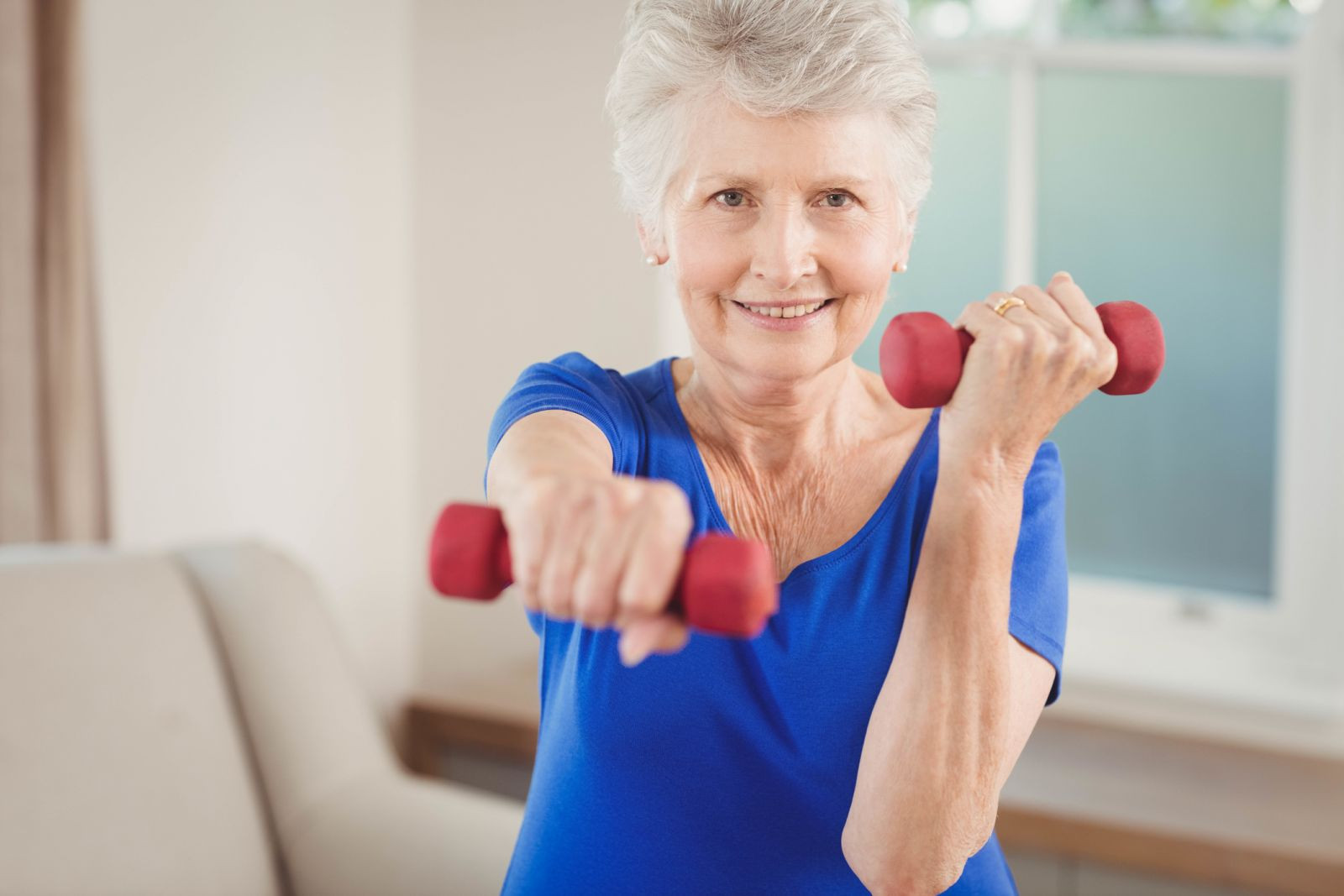
Getting a start on growing stronger
Building strength and power is key to healthy aging, both physically and mentally. It may be easier than you think.
We probably don't need to remind you that your body changes with age. Age-related muscle loss begins at around age 35 and progresses slowly — at about 1% per year. But after about age 60, muscle loses mass more rapidly, so that adults who don't do regular strength training may lose 4 to 6 pounds of muscle per decade. Moreover, the lost muscle is usually replaced by fat.
Studies show that strength training not only can slow muscle loss, it can also help prevent or control conditions as varied as heart disease, diabetes, arthritis, and osteoporosis. And recent research indicates that it can also improve cognitive function, especially when added to aerobic exercise. As we age, strength training helps to preserve mobility and reduce the risk of falling. "What has been shown is that if you're looking at mobility problems, the most beneficial exercises that are those that focus on progressive training for strength and power," says Dr. Jonathan Bean, an associate professor of physical medicine and rehabilitation at Harvard Medical School.
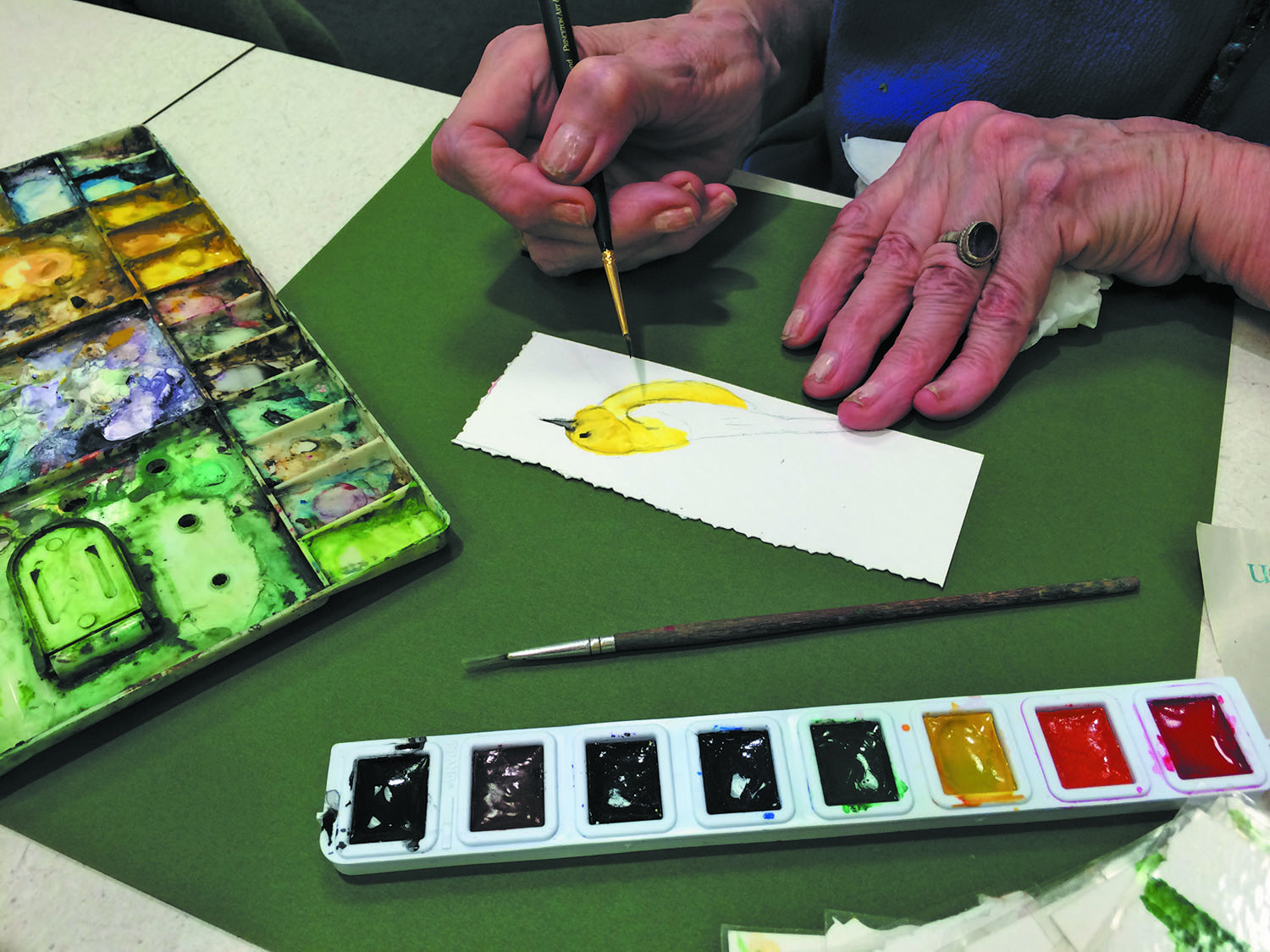
The healing power of art
Creative activities can relieve stress, aid communication, and help arrest cognitive decline.
Image: © Katherine A. Gallagher Integrative Therapies Art Therapy Program at the Mass. General Cancer Center
The title of a recent documentary film, I Remember Better When I Paint, sums up the findings of a growing body of research into the cognitive effects of making art. The movie demonstrates how drawing and painting stimulated memories in people with dementia and enabled them to reconnect with the world. People with dementia aren't the only beneficiaries. Studies have shown that expressing themselves through art can help people with depression, anxiety, or cancer, too. And doing so has been linked to improved memory, reasoning, and resilience in healthy older people.
Antibiotic use linked to increased risk of precancerous colon polyps
Research we're watching
Recent evidence suggests that antibiotics, which affect the makeup of intestinal bacteria, might be associated with an increased risk of colorectal cancer. A team led by researchers from Harvard Medical School wanted to see if antibiotic use is also associated with adenomatous polyps, precursors of colon cancer that significantly increase the risk of developing the disease.
The team analyzed data from 16,642 women ages 60 or older participating in the Nurses' Health Study. They first looked at participants' antibiotic use from ages 20 through 59 and in the most recent four years. They also checked the results with the women's colonoscopies and found 1,195 cases of adenomatous polyps.
Healing after food poisoning
What is tempeh? Benefits, nutrition, and how to use it
Light exposure at night may raise risk for heart disease
Whole grains may improve several heart risk factors at once
A lumbar belt may help ease low back pain
Children of centenarians may stay healthier and live longer too, study finds
Signs of pneumonia: Sometimes vague and unexpected
The surprising link between ovarian cancer and the fallopian tubes
Using a vibration plate: What it can — and can't — do for your body
People who walk more or walk faster live longer, study finds
Free Healthbeat Signup
Get the latest in health news delivered to your inbox!
Sign Up
