

Healing after food poisoning

What is tempeh? Benefits, nutrition, and how to use it

Light exposure at night may raise risk for heart disease

Whole grains may improve several heart risk factors at once

A lumbar belt may help ease low back pain

Children of centenarians may stay healthier and live longer too, study finds

Signs of pneumonia: Sometimes vague and unexpected

The surprising link between ovarian cancer and the fallopian tubes

Using a vibration plate: What it can — and can't — do for your body

People who walk more or walk faster live longer, study finds
Breast Cancer Archive
Articles

Is your drinking becoming a problem?
Here are some signs of an alcohol use disorder — and ways to find the help you need if you suspect you're drinking too much.
Image: © Thomas Northcut/Thinkstock
The thought of hangovers and binge drinking may conjure an image of a college-age student or a 20-something out on the town. But increasingly, those terms apply to people who probably look a lot like you.
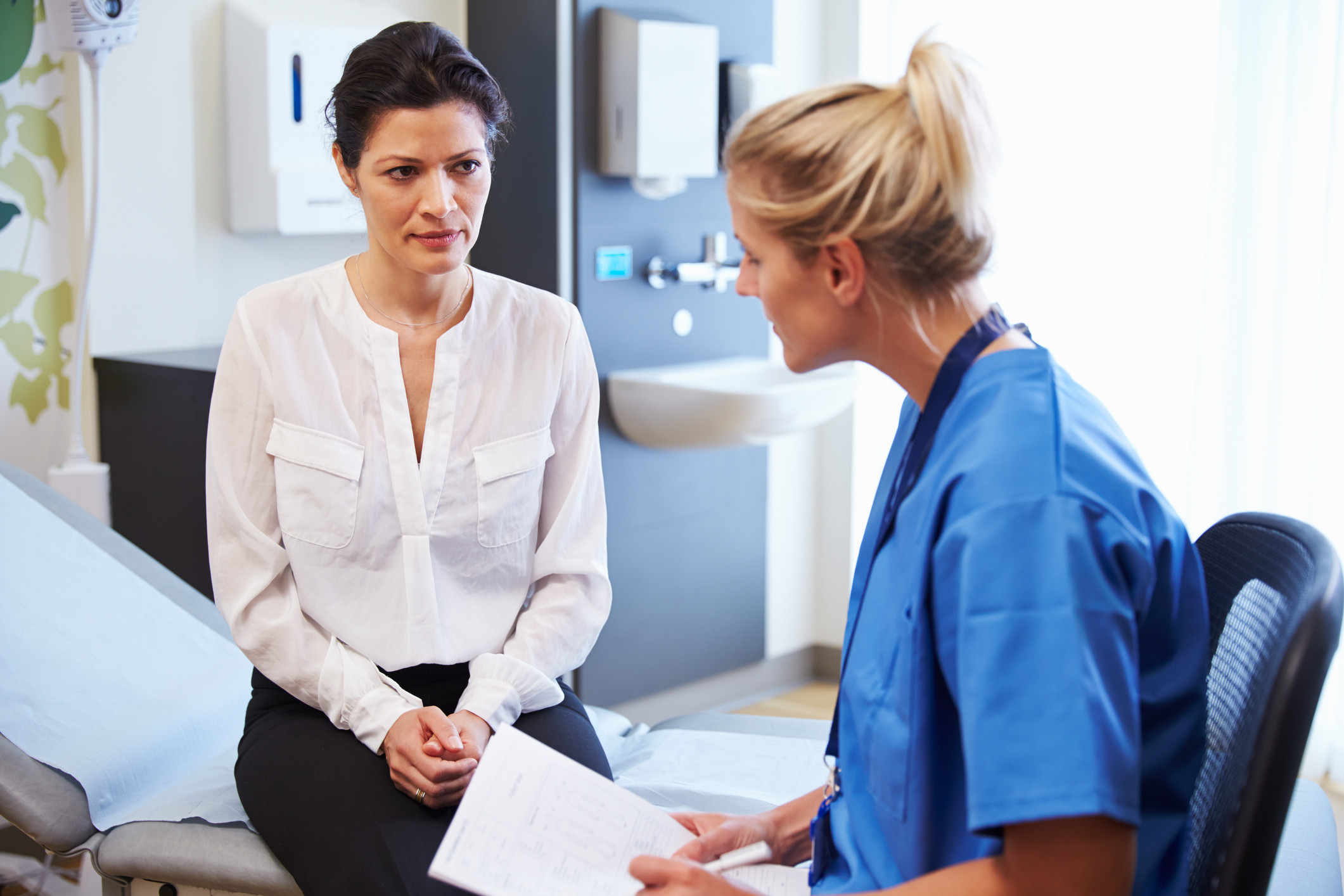
Alcohol use problems often start innocently enough in older women. A problem may begin with a drink at night to combat insomnia, says Dr. Olivera Bogunovic, assistant professor of psychiatry at Harvard Medical School. But then one drink turns into two, and a 9 p.m. cocktail turns into all-day drinking, she says.

Newer drugs are improving survival for men with metastatic prostate cancer
Men with prostate cancer that has spread outside the gland now have several newer drug options available for treatment, and research has found that taking any of them is likely to improve survival duration.

A more precise approach to fighting cancer
Precision medicine offers a personalized approach for prevention and treatment of cancer and other diseases.
Image: © Pogotskiy/Thinkstock
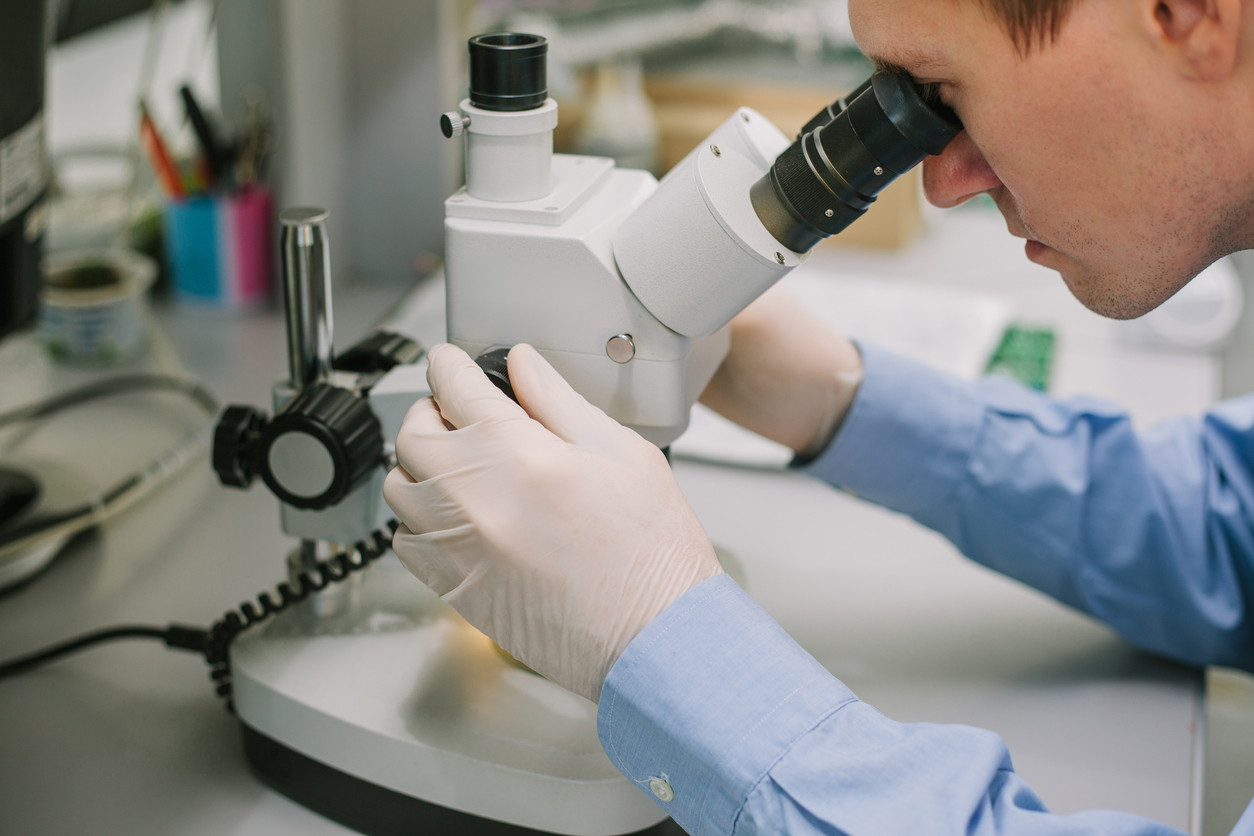
If you have a stomachache or cold, you go to the pharmacy and grab the same remedy that everyone else uses, and it often works. But is that always the best approach? Your reaction to an infection may be quite different from someone else's, so perhaps you need a treatment designed just for you and your ailment.
That's the philosophy behind precision medicine (sometimes referred to as personalized medicine), an emerging approach to prevention and treatment that takes into account a person's genes, environment, and lifestyle and eliminates the one-size-fits-all approach to health care.

Melanomas don’t always arise from existing moles
In the journals
Image: © Manuel-F-O/Thinkstock
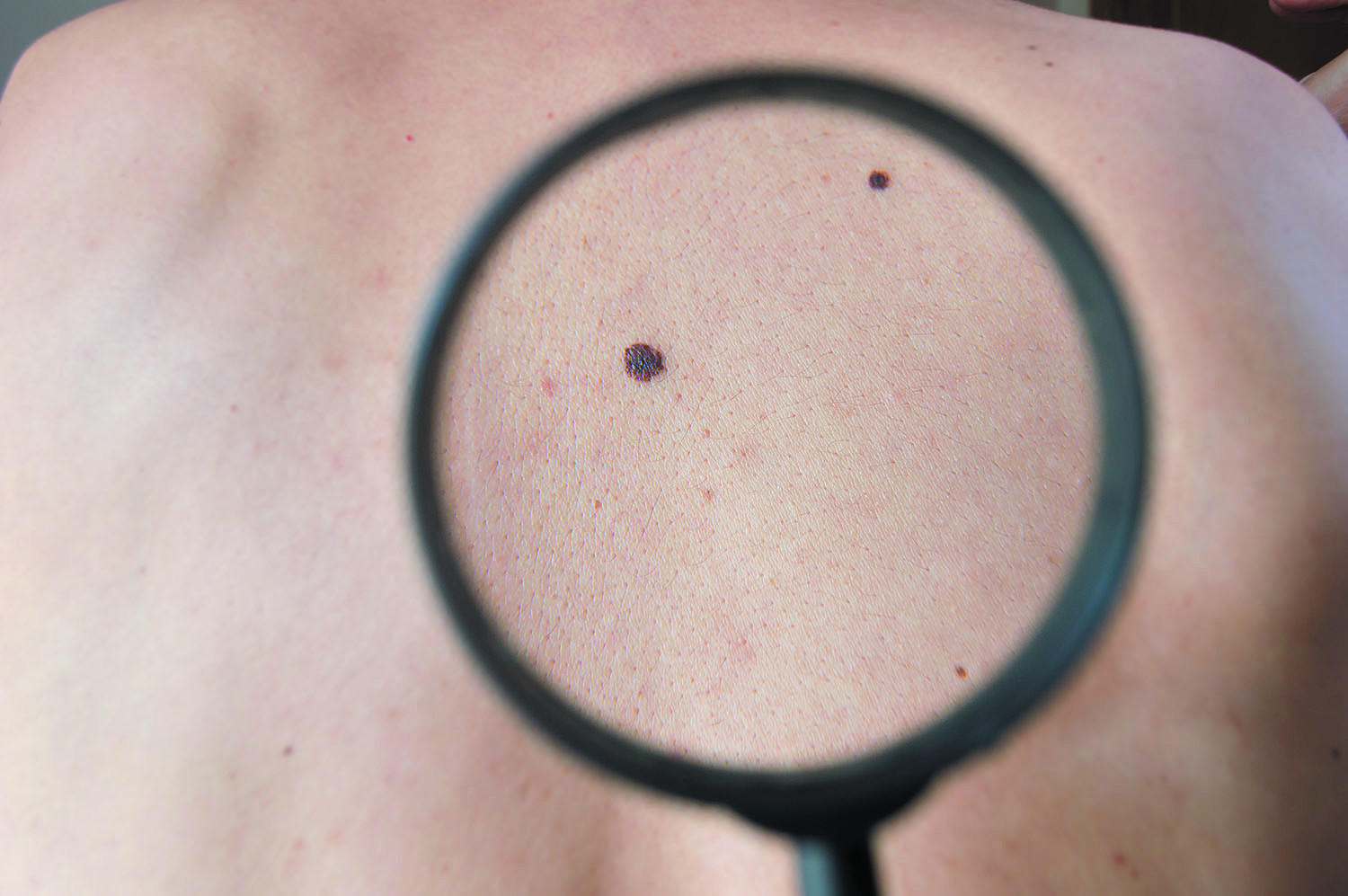
While it's important to have any suspicious mole checked for possible skin cancer, a study published online Aug. 29, 2017, by the Journal of the American Academy of Dermatology suggests most melanomas — the deadliest skin cancer — appear as new spots on the skin. The researchers reviewed 38 studies involving 20,126 cases of melanoma and found that 29% of diagnosed melanomas came from an existing mole, while 71% appeared as new spots. Moreover, they discovered that melanomas that grew from moles were thinner and thus less aggressive than other melanomas. In fact, people whose melanoma was associated with a mole had a better prognosis than others.
The study's authors stressed the importance of looking for any new spots on the skin as well as checking moles for changes, like itching or bleeding, and to see a dermatologist if needed. The American Academy of Dermatology encourages everyone to perform regular skin self-exams, and to ask a partner to check hard-to-see areas like the back. You can learn how to do a skin self-exam, and much more, at www.aad.org/public/spot-skin-cancer.
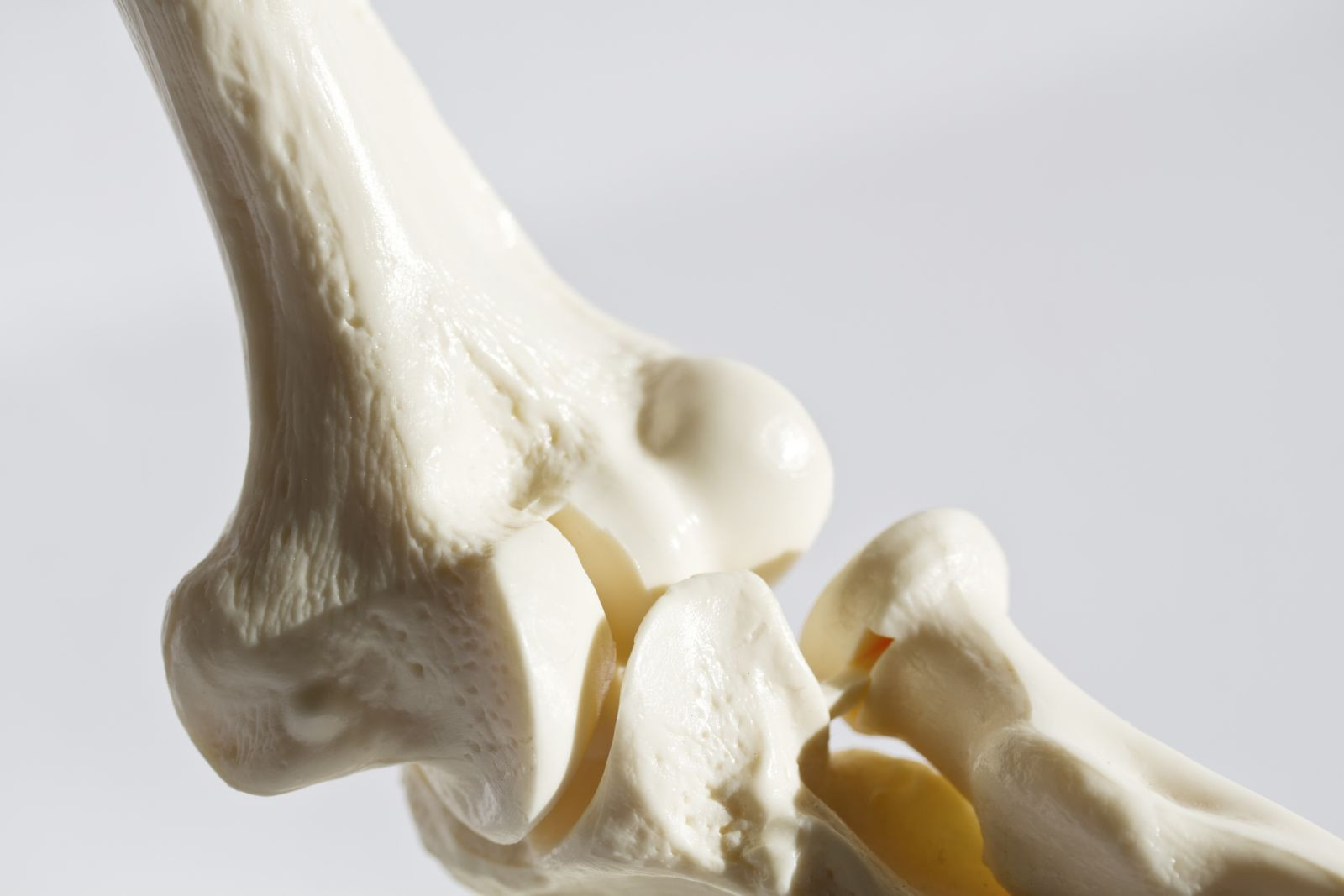
Does osteoporosis cause any symptoms?
Ask the doctors
Q. Is there any way to tell if you are getting osteoporosis? Are there symptoms?
A. Osteoporosis is a disease that causes your bones to become weak and brittle and more likely to break. Unfortunately, you probably won't have any symptoms until the disease is advanced or you actually experience a fracture. However, there are two visible clues of osteoporosis: changes in your posture (such as a hunched-over appearance) and loss of height. Both of these changes may be caused when your spine becomes curved or compressed from weakness or tiny fractures (called compression fractures) in your vertebrae, the small bones that make up your spine.

How false assumptions about weight may affect your health
It's called "weight bias," and even health care providers aren't immune.
Image: © Photodisc/Thinkstock
If you've ever delayed a doctor's appointment so you could lose a few pounds before your annual weigh-in, or hesitated to exercise in public because you felt self-conscious among a sea of hard-bodied gym goers, your weight may be affecting your health — but not in the way you might think.
Even if you're otherwise healthy, sometimes excess pounds bring increased health risks, especially if they keep you from following recommended health practices that offer protection over the long term.
Healing after food poisoning
What is tempeh? Benefits, nutrition, and how to use it
Light exposure at night may raise risk for heart disease
Whole grains may improve several heart risk factors at once
A lumbar belt may help ease low back pain
Children of centenarians may stay healthier and live longer too, study finds
Signs of pneumonia: Sometimes vague and unexpected
The surprising link between ovarian cancer and the fallopian tubes
Using a vibration plate: What it can — and can't — do for your body
People who walk more or walk faster live longer, study finds
Free Healthbeat Signup
Get the latest in health news delivered to your inbox!
Sign Up
