

Healing after food poisoning

What is tempeh? Benefits, nutrition, and how to use it

Light exposure at night may raise risk for heart disease

Whole grains may improve several heart risk factors at once

A lumbar belt may help ease low back pain

Children of centenarians may stay healthier and live longer too, study finds

Signs of pneumonia: Sometimes vague and unexpected

The surprising link between ovarian cancer and the fallopian tubes

Using a vibration plate: What it can — and can't — do for your body

People who walk more or walk faster live longer, study finds
Breast Cancer Archive
Articles
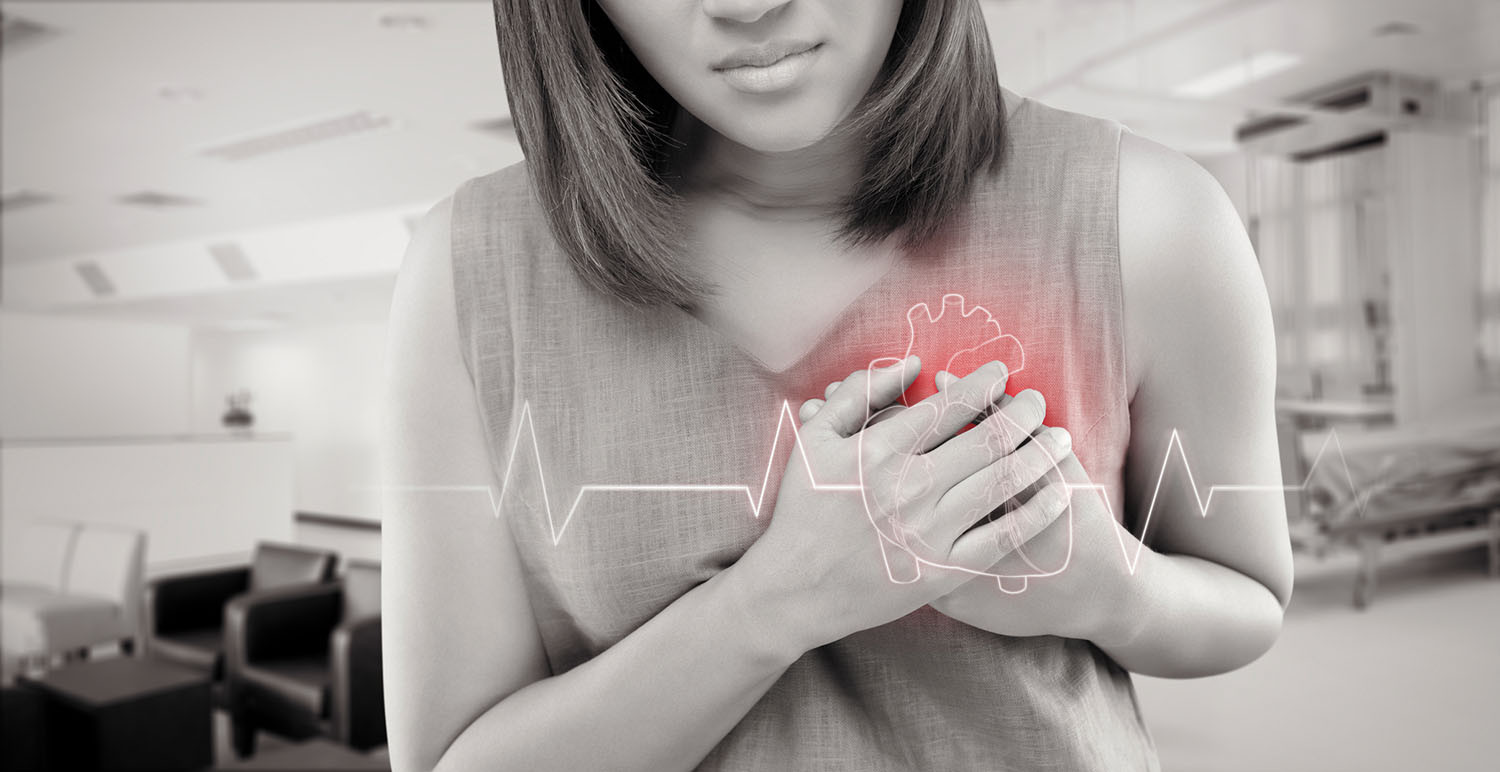
Blockage or no blockage, take heart attacks seriously
Women are at higher risk for heart attacks that don't involve blocked arteries — and they should receive the same follow-up treatment as conventional heart attack patients.
Image: © Tharakorn/Getty Images
For years, people who suffered heart attacks but didn't have major blockages in their arteries — a condition called myocardial infarction with nonobstructive coronary arteries (MINOCA) — were thought to have a less serious form of heart disease. As a result, doctors often opted against aggressive follow-up treatments. But a study published June 15 in the International Journal of Cardiology contributes to the growing body of evidence that MINOCAs merit follow-up treatment.
The study, which looked at data from an online Swedish cardiac registry, found that a quarter of people who were diagnosed with MINOCAs went on to have another major cardiovascular event, such as another heart attack, a stroke, or heart failure. Of the original group of 9,092 people who were diagnosed with MINOCAs (62% of them women), some 2,147 went on to have another cardiovascular event during a follow-up period averaging about 4.5 years.


Diet might delay — or hasten — the onset of menopause
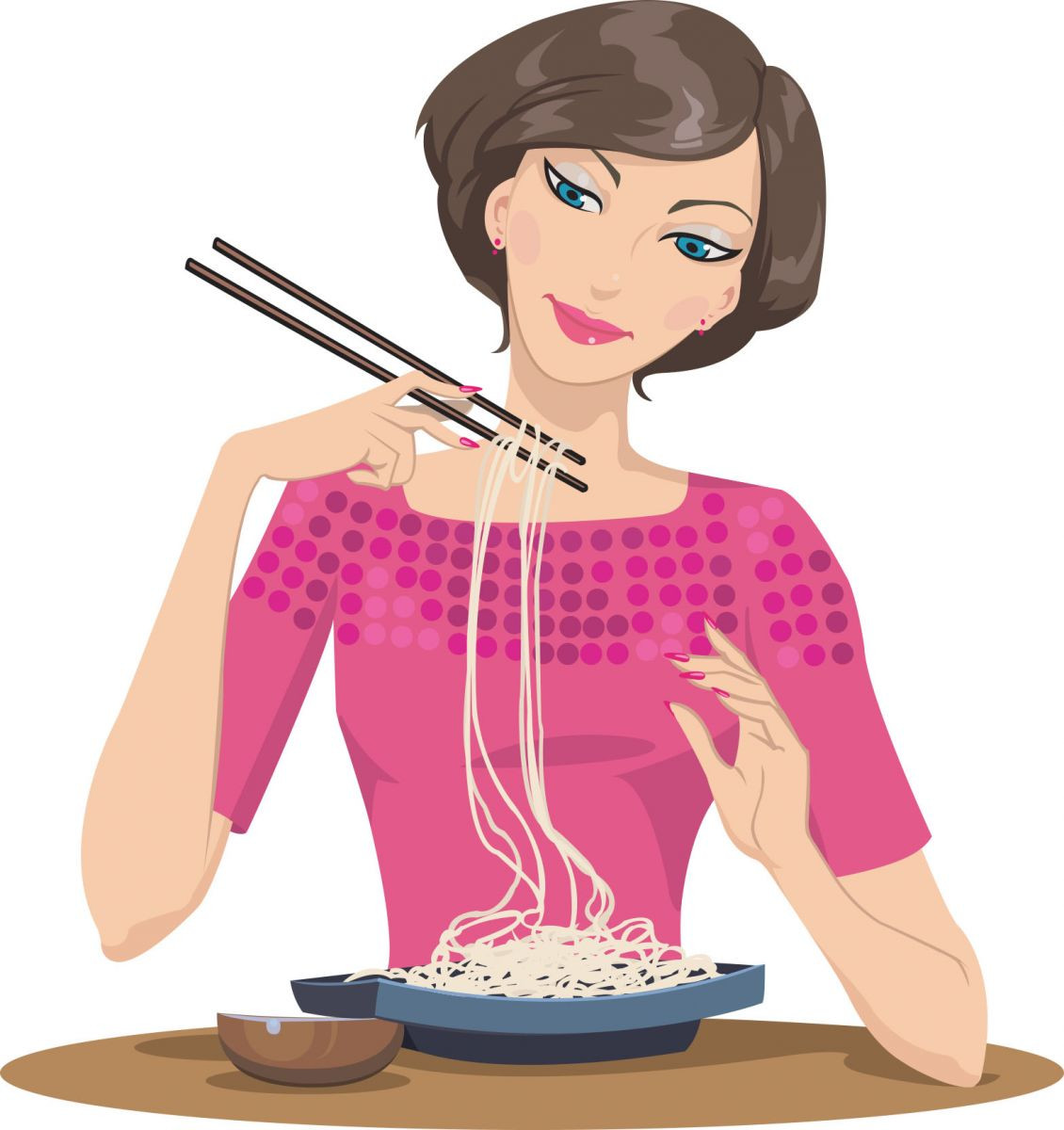
How old you are when you go through menopause could be influenced by the foods you eat.
Image: © stepangilev/Getty Images
Could the foods you eat help determine when you start menopause? They might, says a new study published online April 30 by the Journal of Epidemiology and Community Health. Researchers found that women who ate more fish and beans and other legumes started menopause at a later age, while women who ate a diet heavy on refined pasta and rice went through the change earlier.
Why do the results matter?
How old a woman is when she goes through menopause may have implications for her health. Past research has linked certain health risks to menopause that occurs either very early (before age 40) or late (age 55 or older). Going through menopause at an earlier age has been associated with lower bone density and a higher risk for osteoporosis, cardiovascular disease, depression, and — in some instances — premature death.

5 habits for moms that help prevent childhood obesity
It might be surprising to learn that parents can help fight childhood obesity by taking good care of themselves. A new study found that when mothers follow five healthy lifestyle habits, their kids are much less likely to become obese.
Save your skin from cancer
Rates of the two most common skin cancers have more than doubled over the past decade. Here's how to protect yourself.
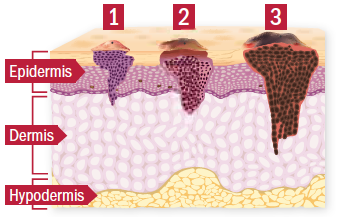
When it comes to skin cancer, there's good news and bad news. First, the bad news. A report published in the June 2017 Mayo Clinic Proceedings found that cases of basal cell carcinoma (BCC) and squamous cell carcinoma (SCC) skin cancers have risen 263% and 145%, respectively, over the past decade.
The good news? BCC and SCC are rarely life-threatening and they're usually easy to treat if they're caught early. Plus, there are simple ways to prevent them.
Is coffee harmful to my health?
Ask the doctors
Q. I recently read about the decision by the state of California to require cancer warnings on coffee. I drink a cup a day. Should I be concerned?
A. The recent decision by a California judge to require cancer warning labels on coffee stemmed from concerns about a specific substance found in coffee, acrylamide, which is a chemical that is produced when coffee is roasted. Coffee isn't the only food or beverage that contains acrylamide. Acrylamide is produced during the high-temperature cooking process used for numerous common foods, including cookies, crackers, and potato chips, according to the American Cancer Society (ACS). But before you panic, while there definitely is acrylamide in coffee, scientists have yet to conclusively prove that this chemical causes cancer, according to the ACS. Most of the research on humans hasn't found any increased risk of cancer in people who eat foods containing acrylamide. Other studies looking at specific types of cancers have produced mixed results but found no conclusive links, according to the ACS. In addition, there is evidence that drinking coffee can bring some health benefits, such as reductions in the risks for stroke and liver disease. A 2015 study in Circulation also found that moderate coffee drinkers (defined as those having less than five cups a day) had lower risks for heart disease and neurological disease, according to the American Heart Association. So, the final message is this: if you are healthy and drink coffee moderately, there is no evidence that it's going to raise your risk of developing cancer.

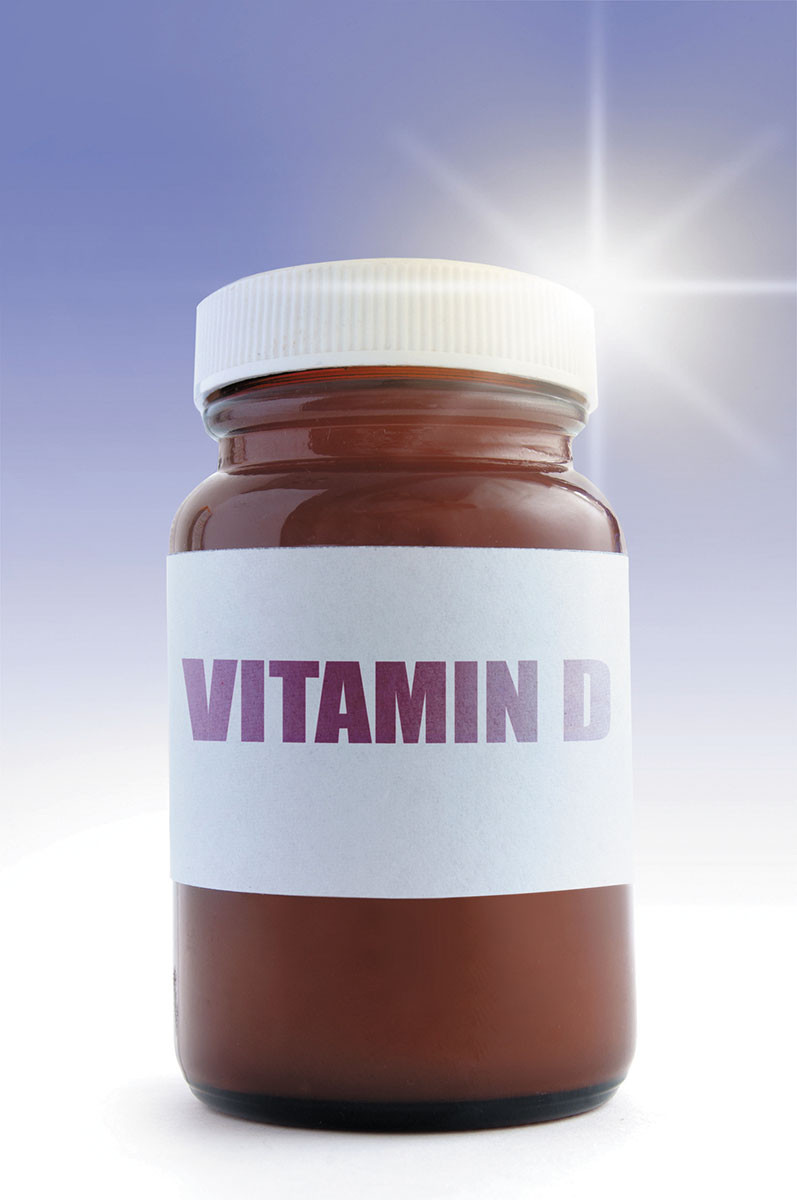
Enough vitamin D may protect against some cancers
In the journals
Having a low blood level of vitamin D may be linked to a higher risk of developing some cancers, suggests a study published online March 7, 2018, by The BMJ. However, taking extra vitamin D to raise already normal levels does not appear to offer more protection.
Vitamin D is made by the skin from sunlight exposure and can also be obtained through fortified foods like cereal and milk, as well as from supplements. Researchers analyzed data from the Japan Public Health Center–based Prospective Study, involving 33,736 people ages 40 to 69. The people gave blood samples and were classed into four groups, ranging from the lowest to highest levels of vitamin D. They were then monitored for an average of 16 years, during which time 3,301 new cases of cancer were recorded among the participants.
Healing after food poisoning
What is tempeh? Benefits, nutrition, and how to use it
Light exposure at night may raise risk for heart disease
Whole grains may improve several heart risk factors at once
A lumbar belt may help ease low back pain
Children of centenarians may stay healthier and live longer too, study finds
Signs of pneumonia: Sometimes vague and unexpected
The surprising link between ovarian cancer and the fallopian tubes
Using a vibration plate: What it can — and can't — do for your body
People who walk more or walk faster live longer, study finds
Free Healthbeat Signup
Get the latest in health news delivered to your inbox!
Sign Up
