

Healing after food poisoning

What is tempeh? Benefits, nutrition, and how to use it

Light exposure at night may raise risk for heart disease

Whole grains may improve several heart risk factors at once

A lumbar belt may help ease low back pain

Children of centenarians may stay healthier and live longer too, study finds

Signs of pneumonia: Sometimes vague and unexpected

The surprising link between ovarian cancer and the fallopian tubes

Using a vibration plate: What it can — and can't — do for your body

People who walk more or walk faster live longer, study finds
Breast Cancer Archive
Articles

Do you need a thyroid test?
Undetected low levels of thyroid hormone may underlie subtle changes that can increase your risk of cardiovascular disease.
For a gland only two inches in size, the thyroid has a huge influence on our health. It produces a hormone that is carried in the bloodstream to all parts of the body. Thyroid hormone plays a major role in regulating metabolism—the process by which body cells convert nutrients into energy—and thereby helps regulate body temperature, heart rate, and even brain function. So when thyroid hormone levels fall, the body slows.
You're probably aware of the common symptoms of low thyroid hormone—fatigue, fuzzy-headedness, weight gain, cold hands, and dry skin. But if you're like most of us, you're likely to blame your diet and exercise regimen instead of your thyroid if your cholesterol levels and weight are creeping up, especially if you don't have any of the other symptoms of low thyroid. "Symptoms are often nonspecific, and since women over 60 generally have more of these nonspecific symptoms, their doctors may not think to test for hypothyroidism," says endocrinologist Dr. Jeffrey Garber, associate professor of medicine at Harvard Medical School and author of The Harvard Medical School Guide to Overcoming Thyroid Problems.

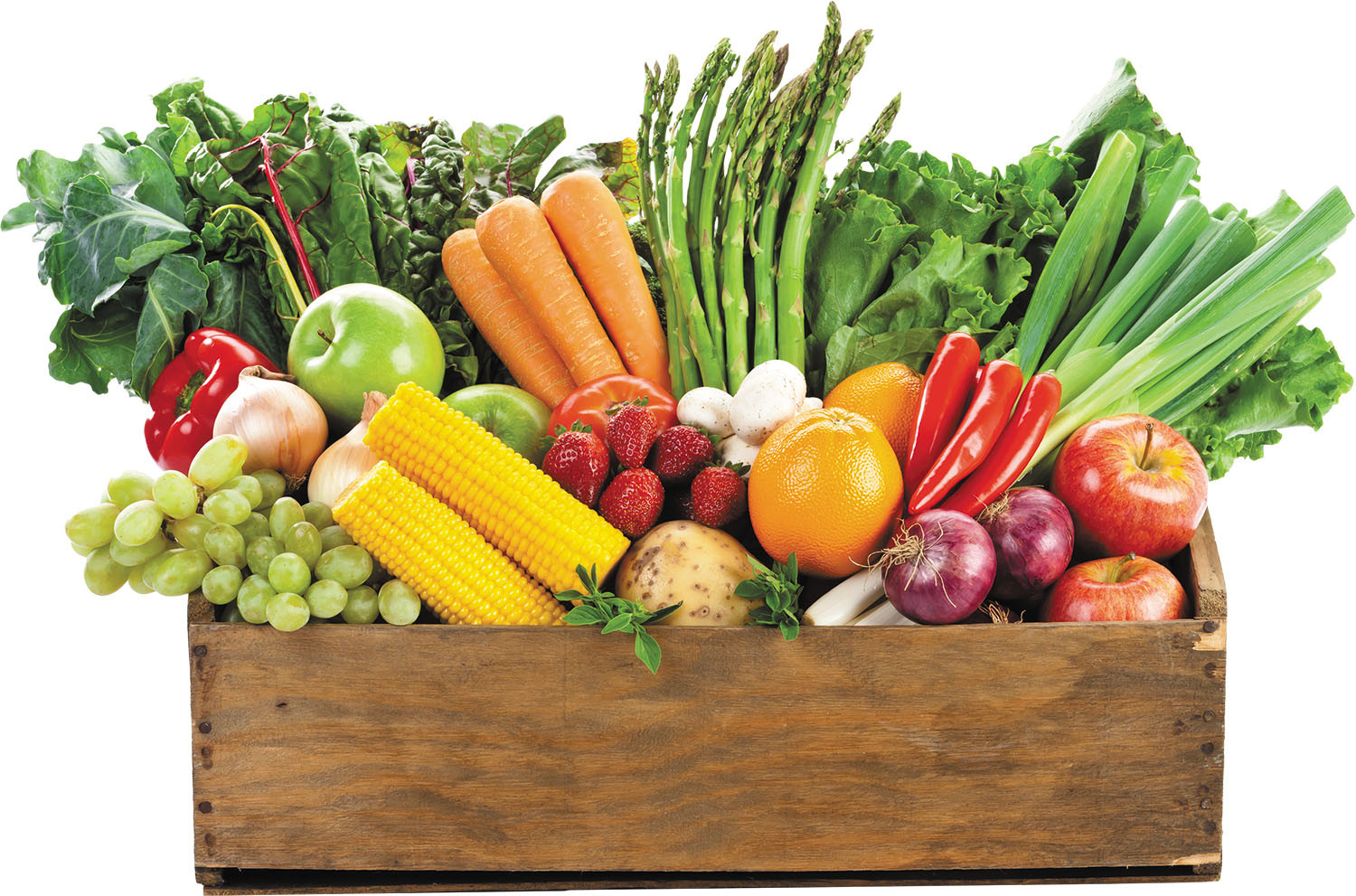
Can you eat away at your cancer risk?
A healthy diet should go heavy on vegetables and skip alcohol, sugary drinks, and processed foods.
Image: © fcafotodigital/Getty Images
Most of the time when someone gets cancer, it's because of bad genes or bad luck. But as many as four in 10 cancers may be preventable. And diet likely plays an important role in reducing (or increasing) your risk.
It's no surprise that vegetables and fruits are thought to reduce cancer risk, according to Teresa Fung, adjunct professor in the Department of Nutrition at the Harvard T.H. Chan School of Public Health and faculty editor of Healthy Eating, a Special Health Report from Harvard Health Publishing (available at www.health.harvard.edu/special-health-reports). It probably also won't shock you to learn that bacon, fast food, and sugary drinks fall into the opposite category. But how can you know for sure which foods to eat and which to avoid?
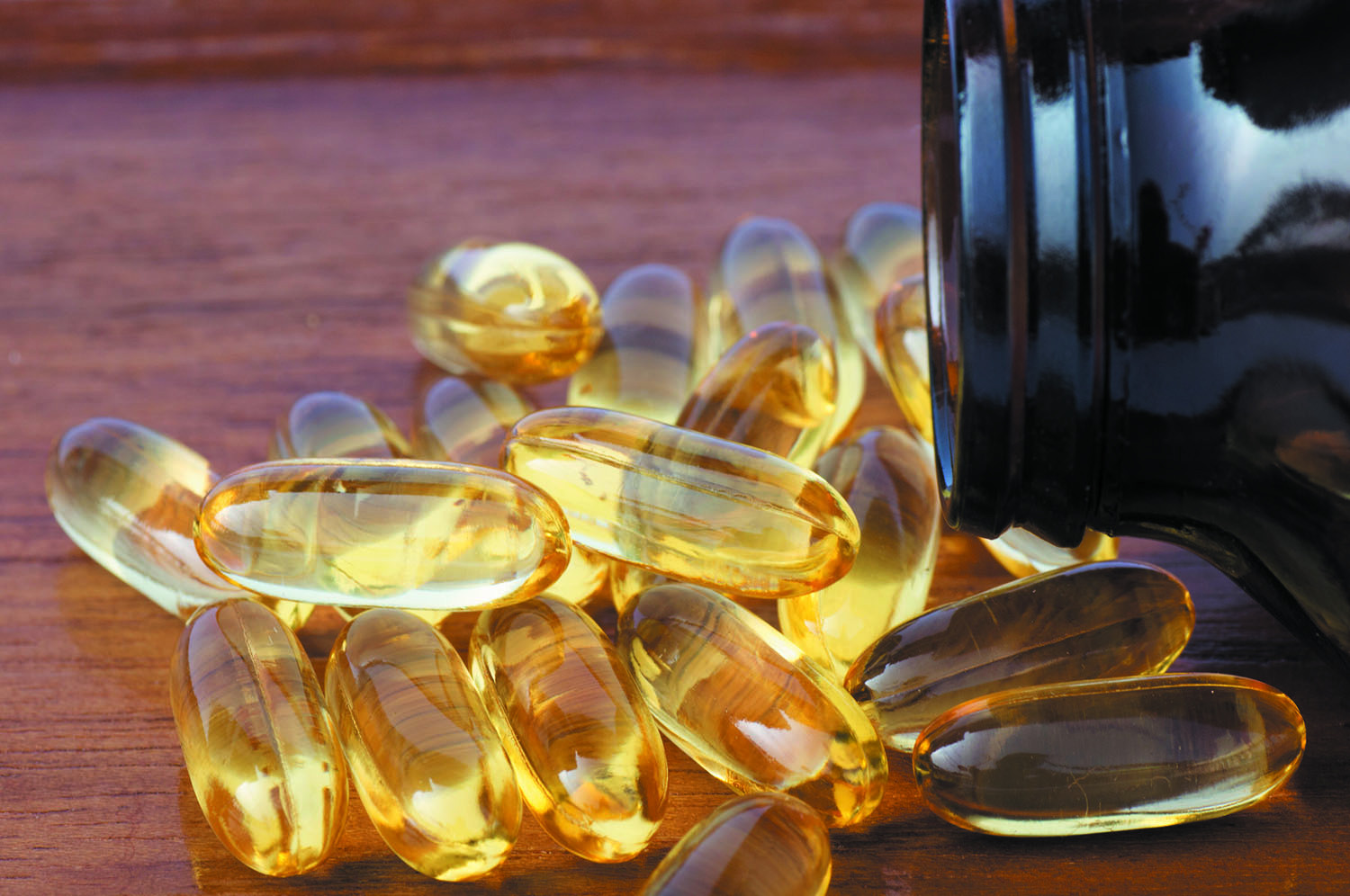
Vitamin D and omega-3 fatty acids supplements fall short when it comes to disease prevention
Image: © Hunterann/Thinkstock
Research we're watching
For years, many have speculated that taking vitamin D and omega-3 fatty acid supplements might help to prevent heart attacks, strokes, and certain cancers. But a study by Harvard researchers published online November 10, 2018, by The New England Journal of Medicine has found that the benefits may be more limited than originally hoped.
The results of the Vitamin D and Omega-3 Trial (VITAL), which enrolled more than 25,000 people and ran for more than five years, showed that while omega-3 supplements did appear to reduce the risk of heart attack, particularly among African Americans, they did not appear to be effective in preventing stroke or cancer. Vitamin D supplements also saw few benefits when it came to preventing heart attack, stroke, or cancer — but they were associated with a drop in cancer deaths in people who had taken the supplements for at least a year or two.



Healing after food poisoning
What is tempeh? Benefits, nutrition, and how to use it
Light exposure at night may raise risk for heart disease
Whole grains may improve several heart risk factors at once
A lumbar belt may help ease low back pain
Children of centenarians may stay healthier and live longer too, study finds
Signs of pneumonia: Sometimes vague and unexpected
The surprising link between ovarian cancer and the fallopian tubes
Using a vibration plate: What it can — and can't — do for your body
People who walk more or walk faster live longer, study finds
Free Healthbeat Signup
Get the latest in health news delivered to your inbox!
Sign Up
