

Healing after food poisoning

What is tempeh? Benefits, nutrition, and how to use it

Light exposure at night may raise risk for heart disease

Whole grains may improve several heart risk factors at once

A lumbar belt may help ease low back pain

Children of centenarians may stay healthier and live longer too, study finds

Signs of pneumonia: Sometimes vague and unexpected

The surprising link between ovarian cancer and the fallopian tubes

Using a vibration plate: What it can — and can't — do for your body

People who walk more or walk faster live longer, study finds
Breast Cancer Archive
Articles
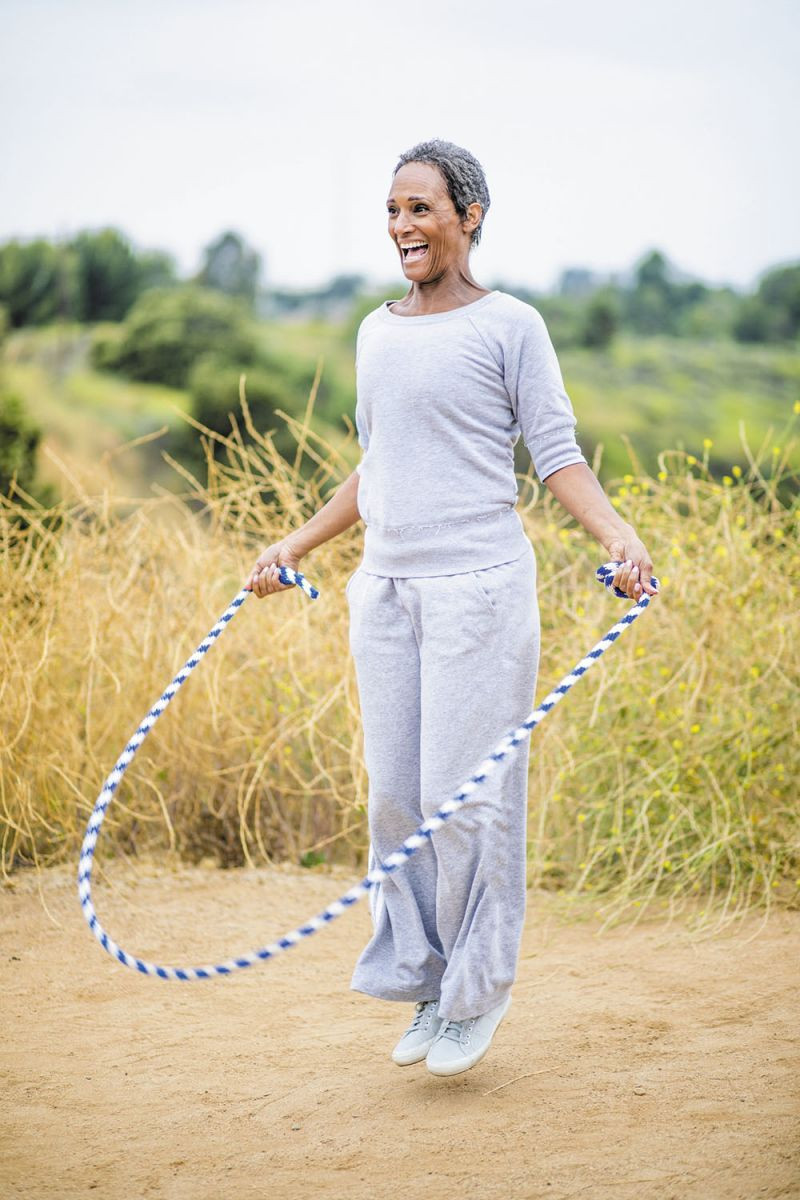
Exercise can help you keep your bones strong
Running, jumping, and other weight-bearing exercises stimulate your bones and make them stronger.
If you've gone through menopause, your bones probably aren't as strong as they used to be.
"Around the time of menopause, there is accelerated bone loss in women as the ovaries stop producing estrogen," says Dr. Meryl S. LeBoff, professor of medicine at Harvard Medical School. This bone loss usually continues as you age, leading in some cases to either of two conditions: osteoporosis (a significant loss of bone density), or the less severe osteopenia (low bone mass). Together, these conditions affect 43.4 million Americans. Either can cause the bones to become brittle and break easily.

Women with DCIS may benefit from radiation in addition to lumpectomy
Research we're watching
A new study published online August 10 by the Journal of the American Medical Association shows that women with ductal carcinoma in situ (DCIS) — cancerous changes to the cells inside the milk ducts of the breast — may have better results if they have radiation in addition to a lumpectomy.
Researchers examined 15-year outcomes in 140,000 women with DCIS who underwent either lumpectomy or mastectomy alone, or both lumpectomy and radiation. Women who had radiation in addition to lumpectomy procedures were slightly less likely to die from breast cancer than women who had either a lumpectomy or mastectomy procedure alone.

Keeping bones strong
Ounce for ounce, bone bears as much weight as reinforced concrete. However, unlike reinforced concrete, bone is a living tissue. It serves as a repository of minerals for the rest of the body to use, continuously lending them out and replacing them. Bone also gets stronger when "stressed" by physical activity, and can repair itself when injured.
The building and tearing down of bone tissue is called remodeling. This process happens continuously throughout your entire life. At first, your body rebuilds more bone than it demolishes. Typically, a person reaches peak bone mass around the age of 30. Among women, bone mass usually remains steady for the next 20 years or so until the onset of menopause, when bone is lost much more quickly than it is replaced. When bone loss is significant, the result is osteoporosis (which means "porous bone"). Bone loss generally starts later for men — typically in the late 50s — and progresses more slowly than in women. But men can also get osteoporosis.
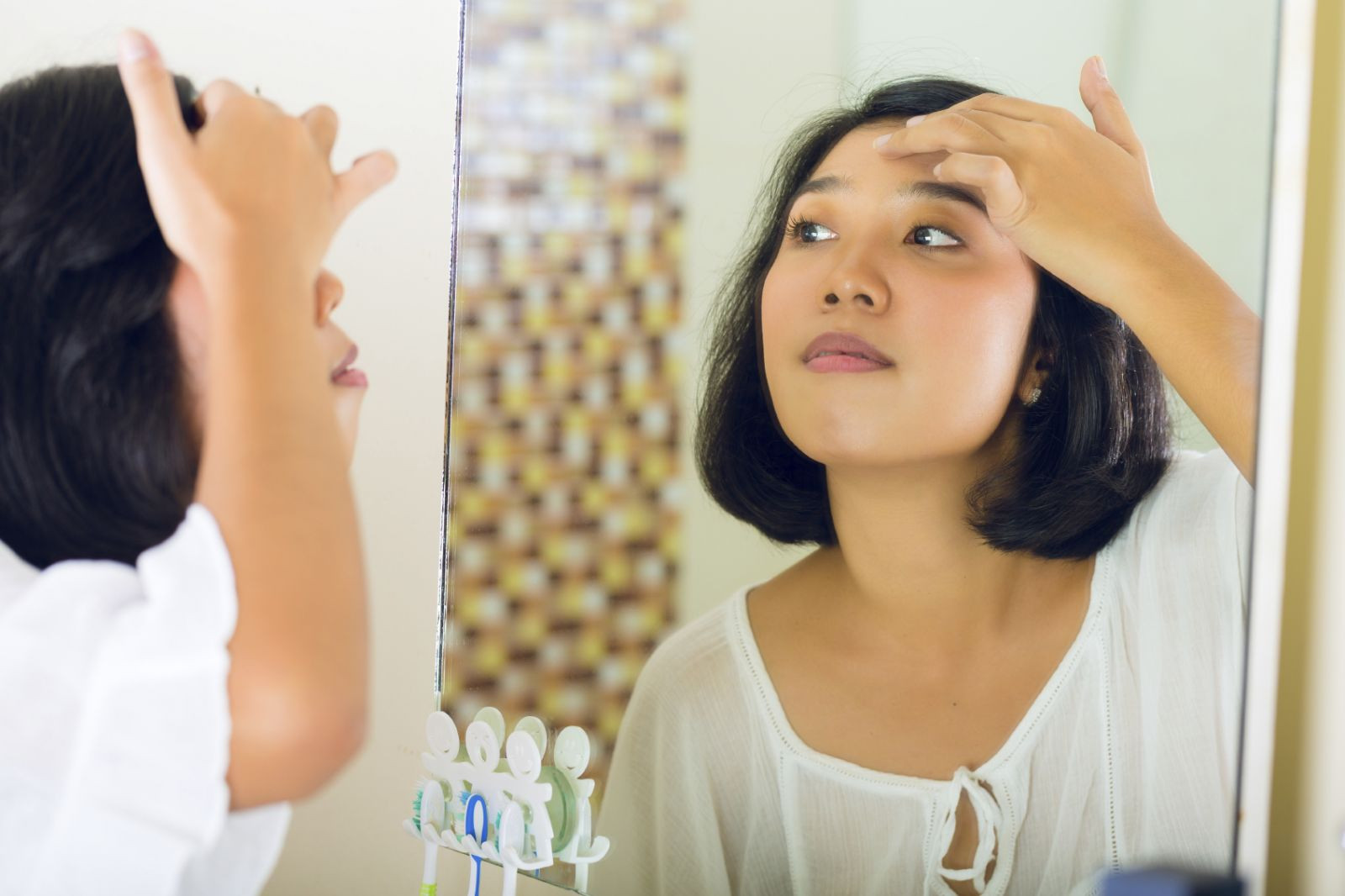
Don't fall for these skin myths
Think you know a lot about skin and skin care? You might be surprised at how much "common knowledge" about keeping your skin clear and healthy is simply not true.
Here, we debunk 10 common myths about skin.
1. The right skin cream can keep your skin looking young.

A soaring maternal mortality rate: What does it mean for you?
Since 1990, the maternal mortality rate in the United States, while still relatively low, has risen by 50%. Meanwhile, many other women experience pregnancy-related conditions that cause serious injury, and thousands more struggle with illnesses and a lack of support.


HPV test may be better than traditional cervical cancer screening method
Research we're watching
A test that screens for human papillomavirus (HPV) beat a commonly used cervical cancer screening method in detecting changes that may lead to cervical cancer, according to a study published July 3 in The Journal of the American Medical Association. Some 19,000 women were screened for cervical cancer using either the HPV test or a more traditional and commonly used liquid-based cytology test. After 48 months, all the women were tested again using both tests. Researchers found that among women who'd had a normal initial screening, those who'd been screened with the HPV test had significantly fewer grade 3 or worse precancerous cervical changes at the final testing compared with those screened with liquid-based cytology.
In response, the U.S Preventive Services Task Force now recommends either HPV testing only once every five years or liquid-based cytology once every three years for women ages 30 to 65.
Is prostate cancer linked with other cancers?
On call
Q. I was recently diagnosed with prostate cancer. Does the occurrence of one type of cancer indicate a greater risk of developing other kinds?
A. Prostate cancer is the most common cancer among men, and almost every man will get prostate cancer if he lives long enough. In general, prostate cancer that develops after age 60 probably does not increase the risk of getting a different kind of cancer. However, there are some exceptions.


Don’t wait until you turn 50 to screen for colon cancer
According to a new guideline, testing should start at age 45, but not everyone needs to have a colonoscopy. Other tests are also available.
Colon cancer screenings for people at average risk for the disease should start at age 45 instead of 50, says a new guideline from the American Cancer Society (ACS).
The change to the screening recommendation, which was published in the May 30 issue of CA: A Cancer Journal for Clinicians, was made because the number of colon cancer cases among adults under age 55 rose 51% from 1994 to 2014, and colon cancer deaths in this age group rose 11% from 2005 to 2015.
Healing after food poisoning
What is tempeh? Benefits, nutrition, and how to use it
Light exposure at night may raise risk for heart disease
Whole grains may improve several heart risk factors at once
A lumbar belt may help ease low back pain
Children of centenarians may stay healthier and live longer too, study finds
Signs of pneumonia: Sometimes vague and unexpected
The surprising link between ovarian cancer and the fallopian tubes
Using a vibration plate: What it can — and can't — do for your body
People who walk more or walk faster live longer, study finds
Free Healthbeat Signup
Get the latest in health news delivered to your inbox!
Sign Up
