

Healing after food poisoning

What is tempeh? Benefits, nutrition, and how to use it

Light exposure at night may raise risk for heart disease

Whole grains may improve several heart risk factors at once

A lumbar belt may help ease low back pain

Children of centenarians may stay healthier and live longer too, study finds

Signs of pneumonia: Sometimes vague and unexpected

The surprising link between ovarian cancer and the fallopian tubes

Using a vibration plate: What it can — and can't — do for your body

People who walk more or walk faster live longer, study finds
Breast Cancer Archive
Articles


Repaying your sleep debt
Why sleep is important to your health and how to repair sleep deprivation effects.
If sleep were a credit card company, many of us would be in deep trouble.
Medical evidence suggests that for optimum health and function, the average adult should get seven to nine hours of sleep daily. But more than 60% of women regularly fall short of that goal. Although each hour of lost slumber goes into the health debit column, we don't get any monthly reminders that we've fallen in arrears.

Bioidentical hormones: Help or hype?
Do these heavily promoted hormones justify the claims made for them?
"Bioidentical" hormones have been promoted as safer and more effective than FDA-approved hormones. The exaggerated claims go beyond relief of menopausal symptoms, suggesting they are a veritable fountain of youth.
It's understandable that women would be interested in a different approach now that long-term use of conventional hormone therapy (HT) does not prevent cardiovascular disease as researchers had hoped.
Eating highly processed foods may raise cancer risk
News briefs
Prepackaged, processed foods are typically high in fat, salt, and sugar. If that's not enough to make you put down a cookie or resist a frozen dinner, consider an observational study published online Feb. 14, 2018, by The BMJ. It analyzed dietary questionnaire answers of 105,000 middle-aged men and women in France for five years. Foods were grouped according to degree of processing — that is, the amount of change the ingredients go through as food makers improve flavor, coloring, and shelf life. For example, dehydrated soups, baked goods, sugary cereals, processed meats, biscuits, and sauces were considered ultra-processed foods. Less processed foods included canned vegetables, cheeses, and freshly made unpackaged bread. Every 10% increase in consumption of ultra-processed foods was associated with a 12% higher risk for cancer in general and an 11% increased risk for breast cancer. No significant link was found to prostate or colorectal cancer. The study doesn't prove that ultra-processed foods cause cancer, but researchers say the cumulative effects of food additives remain largely unknown.
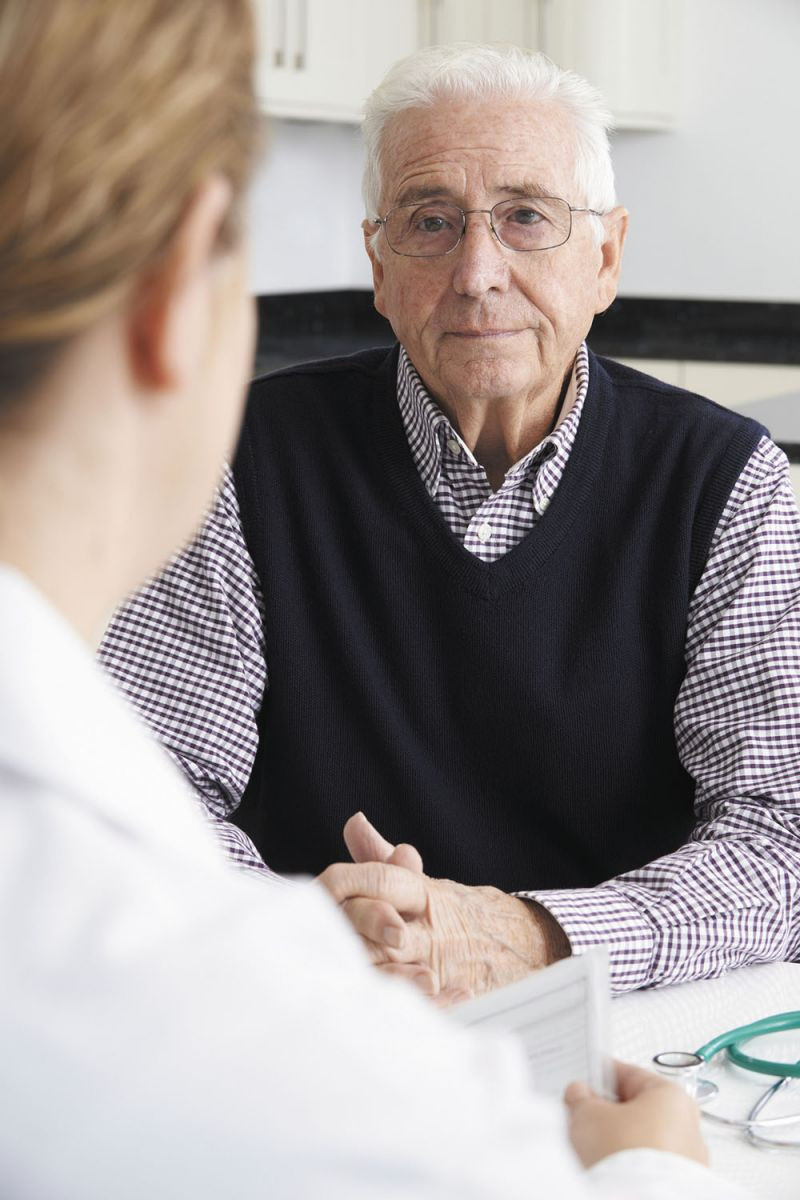
Dealing with a cancer diagnosis
Sometimes the emotional part of cancer is the toughest test.
Any kind of cancer diagnosis is life-changing. There suddenly are many decisions to make about treatments, possible surgery, and recovery. It can be a lot to deal with. But one part of the cancer process that often gets pushed aside is the psychological aspect — how do you manage the many emotions that come with it?
"The natural response to hearing 'cancer' is to feel a surge of anxiety and negative thoughts like 'I'm going to die,'" says Dr. John Peteet, head of the psychosocial oncology fellowship at the Harvard-affiliated Dana-Farber Cancer Institute. "Yet many men are reluctant to admit this and keep their feelings inside, so it's tough to know when they need help with this part of a cancer diagnosis."
Clinicians sometimes misread heart attack symptoms in women
Research we're watching
Doctors may be more likely to dismiss heart attack symptoms as not heart-related in women younger than age 55, according to a study published online Feb. 20, 2018, by Circulation. This may be the case because women often report other symptoms in addition to chest pain, said the study's authors.
The researchers interviewed more than 2,000 women and 976 men ages 18 to 55 who were hospitalized for a heart attack — what doctors call acute myocardial infarction (AMI) — at 100 hospitals that are participating in a study. They found that both men and women reported chest pain and pressure, but women were more likely to have other symptoms as well, such as pain in the jaw, neck, and arms; indigestion; or shortness of breath. In addition, women were more likely than men to tell their doctors that they thought the symptoms might be stress-related.

Ultra-processed snacks and meals may raise cancer risk
Research we're watching
Image: © xfotostudio/Getty Images
If your food is more likely to come out of a bag or a box than from a tree or the ground, you may be putting yourself at higher risk for cancer. A study published online Feb. 14, 2018, by The BMJ found that people who eat more ultra-processed foods have a higher overall risk of cancer than those who don't. In fact, when the proportion of ultra-processed foods in a person's diet increased by 10%, the risk of cancers increased by more than 10%.
The researchers came to their conclusions after reviewing data from more than 100,000 people, on average 42 years old, based on their usual consumption of 3,300 different foods. The foods were classified according to their level of processing. Ultra-processed foods included things like
Treatments for breast cancer may harm the heart
But surveillance and other strategies — especially exercise — can limit the risk.
Image: © Khuong Hoang/Getty Images
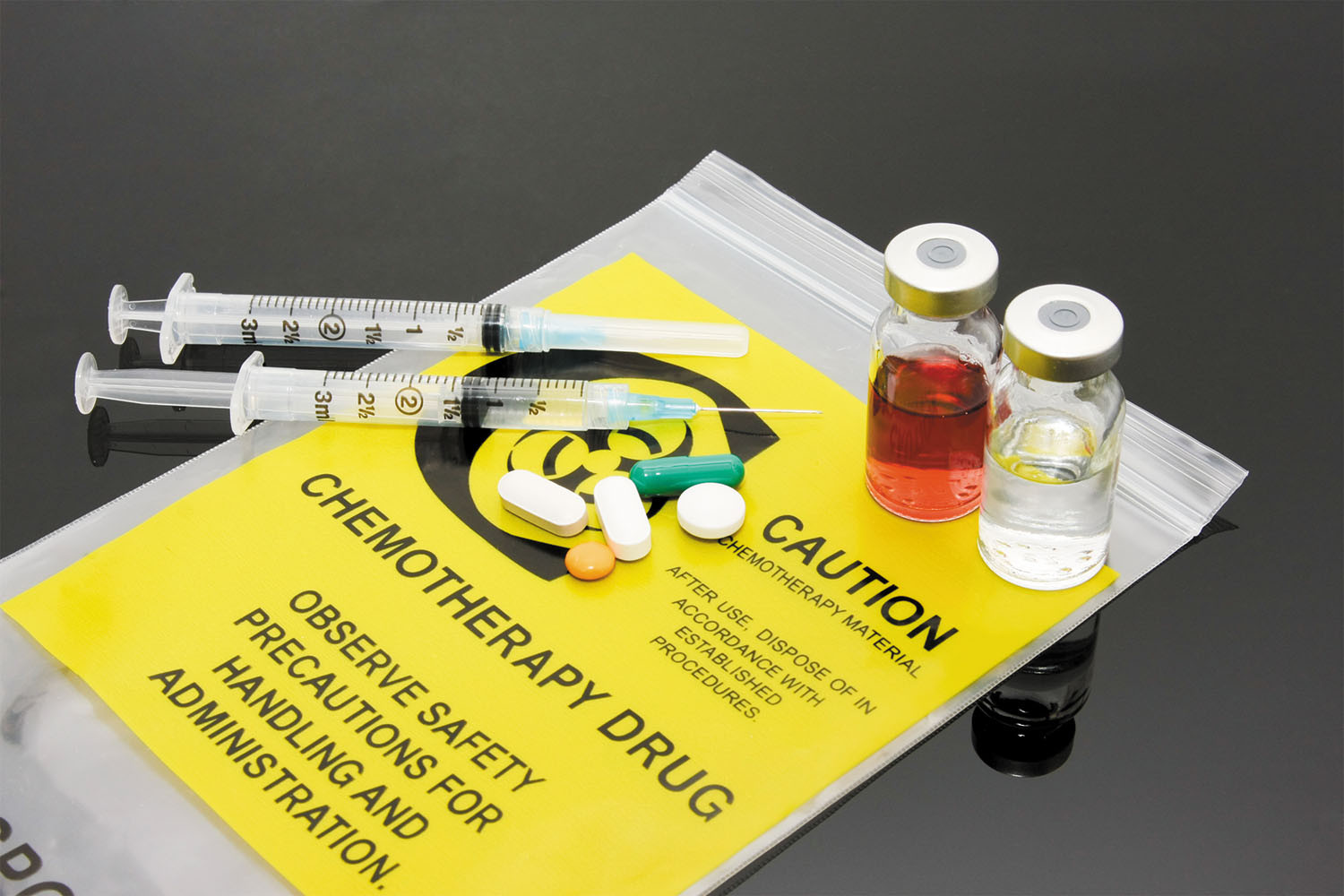
Better treatments for breast cancer have contributed to the growing number of breast cancer survivors, now about three million in the United States. However, these women may face a heightened risk of heart disease from the cardiotoxic effects of chemotherapy and radiation, according to a statement from the American Heart Association in the Feb. 20, 2018, issue of Circulation.
Doctors have long known that certain cancer drugs can decrease the heart's pumping ability, especially doxorubicin (Adriamycin) and trastuzumab (Herceptin), two common treatments for breast cancer. Many women receive radiation therapy as well, which can cause heart tissue to scar or stiffen, possibly leading to valve disorders, coronary artery disease, or other heart problems. But specialists who focus on keeping the heart healthy during and after cancer treatment — known as cardio-oncologists — can offer strategies to both prevent and treat heart damage from cancer therapy.


Healing after food poisoning
What is tempeh? Benefits, nutrition, and how to use it
Light exposure at night may raise risk for heart disease
Whole grains may improve several heart risk factors at once
A lumbar belt may help ease low back pain
Children of centenarians may stay healthier and live longer too, study finds
Signs of pneumonia: Sometimes vague and unexpected
The surprising link between ovarian cancer and the fallopian tubes
Using a vibration plate: What it can — and can't — do for your body
People who walk more or walk faster live longer, study finds
Free Healthbeat Signup
Get the latest in health news delivered to your inbox!
Sign Up
