

What is tempeh? Benefits, nutrition, and how to use it

Light exposure at night may raise risk for heart disease

Whole grains may improve several heart risk factors at once

A lumbar belt may help ease low back pain

Children of centenarians may stay healthier and live longer too, study finds

Signs of pneumonia: Sometimes vague and unexpected

The surprising link between ovarian cancer and the fallopian tubes

Using a vibration plate: What it can — and can't — do for your body

People who walk more or walk faster live longer, study finds

Rosacea treatments: What works?
Breast Cancer Archive
Articles

Do gel manicures increase cancer risk?
Ask the doctors
Image: © Click_and_Photo/Thinkstock
Q. I like gel manicures because the polish doesn't chip easily, but I've heard that they may cause cancer. Is this true?
A. The gel polish itself hasn't been associated with an increased risk of cancer. However, lamps and light boxes, which are used to seal the polish during professional manicures, have raised concern. That's because many emit fairly high levels of UVA radiation, which plays a major role in the development of cancer. The level of risk depends on the frequency of manicures. A 2014 study in JAMA Dermatology indicated that the level of UVA exposure associated with a gel manicure every two weeks probably isn't high enough to increase the risk of skin cancer significantly.

Should you still have mammograms after age 75?
The decision depends on several factors, including your breast cancer risk, life expectancy, and personal preferences.
Image: © Auremar/Thinkstock
As you get older, your body isn't the only thing that's changing. So are the guidelines for taking care of it. Breast cancer screening guidelines are a case in point. The current U.S. Preventive Services Task Force (USPSTF) guidelines recommend a mammogram every two years for women ages 50 to 75 with an average risk of developing breast cancer. For older women, the USPSTF said there isn't enough evidence of the potential risks and benefits of mammography on which to base a recommendation.
Although breast cancer is a leading cause of death in older women, women over 75 haven't been included in studies of mammography. However, there is evidence that most breast cancers detected in older women are relatively slow growing and easily treated. While a mammogram performed today might detect a cancer that would not spread or metastasize for several years, the percentage of women who survive to that point decreases with each passing year.

Scalp cooling reduces hair loss during breast cancer chemotherapy
Research we're watching
For many women with breast cancer, hair loss is the most distressing side effect of chemotherapy. Although cooling the scalp with ice packs has been tested, the technique has had limited success. However, a newer approach — wearing a cap connected to a cooling system that gradually reduces scalp temperature — has been more successful, according to two reports in the Feb. 14, 2017, Journal of the American Medical Association.
In one study, 67 of 106 women with stage I or stage II breast cancer who used the FDA-approved DigniCap during their treatment with taxane (Taxol and others) lost less than half of their hair. In comparison, 16 women who underwent the same treatment but did not wear the cooling cap lost all of their hair.
Short-term estrogen use doesn’t protect against dementia, study indicates
Research we're watching
Although hormone therapy was once thought to help preserve cognitive function after menopause, there is mounting evidence to the contrary, including a recent report from the Kuopio Osteoporosis Risk Factor and Prevention Study.
Researchers in that project sent questionnaires to all women ages 47 to 56 who lived in the Finnish province of Kuopio in 1987. The women completed questionnaires every five years, providing information about their lifestyles, medication use, and illnesses. The researchers checked the information in the questionnaires against prescription registries and medical records up to 2009.

Cancer and fat: New findings about the connection
News briefs
Image: © monkeybusinessimages/Thinkstock
Carrying around extra weight is a known risk factor for developing some cancers. But exactly which kinds of cancer are associated with obesity is debated. A study published Feb. 28, 2017, in The BMJ aimed to narrow it down. European researchers combed through about 100 large reviews of observational studies that looked for links between being overweight and getting cancer.
Out of 36 kinds of cancer evaluated, the researchers found strong evidence for a link to obesity for 11—in the colon, rectum, biliary tract (liver and gallbladder), pancreas, breast, endometrium (uterine lining), ovary, kidney, and the gastric cardia (the junction of the esophagus and stomach); a certain type of esophageal cancer (adenocarcinoma); and one type of bone marrow cancer (multiple myeloma). The researchers said there may be links between obesity and other cancers, but so far the evidence is relatively weak.

Binge drinking continues to rise — particularly among women and seniors
Data from several surveys indicate that the percentage of women who drink has been increasing for decades. The numerous health effects associated with alcohol consumption mean that women should be especially attentive to how much they drink.

The problem with tanning (and the myth of the base tan)
The earlier one starts tanning, the longer the lifetime skin damage and the higher the skin cancer risk. As the number of people with skin cancer increases, it has become especially important to convey to teenagers the message that tanning is an unhealthy choice, whether it’s outdoors or in a tanning bed.
As an ex-smoker, am I still at high risk for lung cancer?
Ask the doctor
Q. I smoked for more than 20 years, but gave it up about 15 years ago. Am I still at risk for lung cancer or other health problems?
A. Not smoking is the best health move any man can make. The good news is that the benefits of quitting smoking begin almost immediately after your final cigarette, although the risk of smoking-related cancers may take years to decline.
Can implantable hormone pellets prevent bone loss?
Ask the doctor
Q. I've heard that bioidentical hormone pellets injected near the hip are more effective than bone-building drugs in stopping bone loss and preventing hip fracture. Is this true?
A. The FDA hasn't approved hormone pellets for preventing or treating bone loss. Moreover, there are no randomized controlled trials on record, so we don't know whether hormone pellets are more effective — or even as effective — as the FDA-approved medical therapies. Finally, there aren't any published reports explaining how the hormones are metabolized in the body or the side effects they may have.
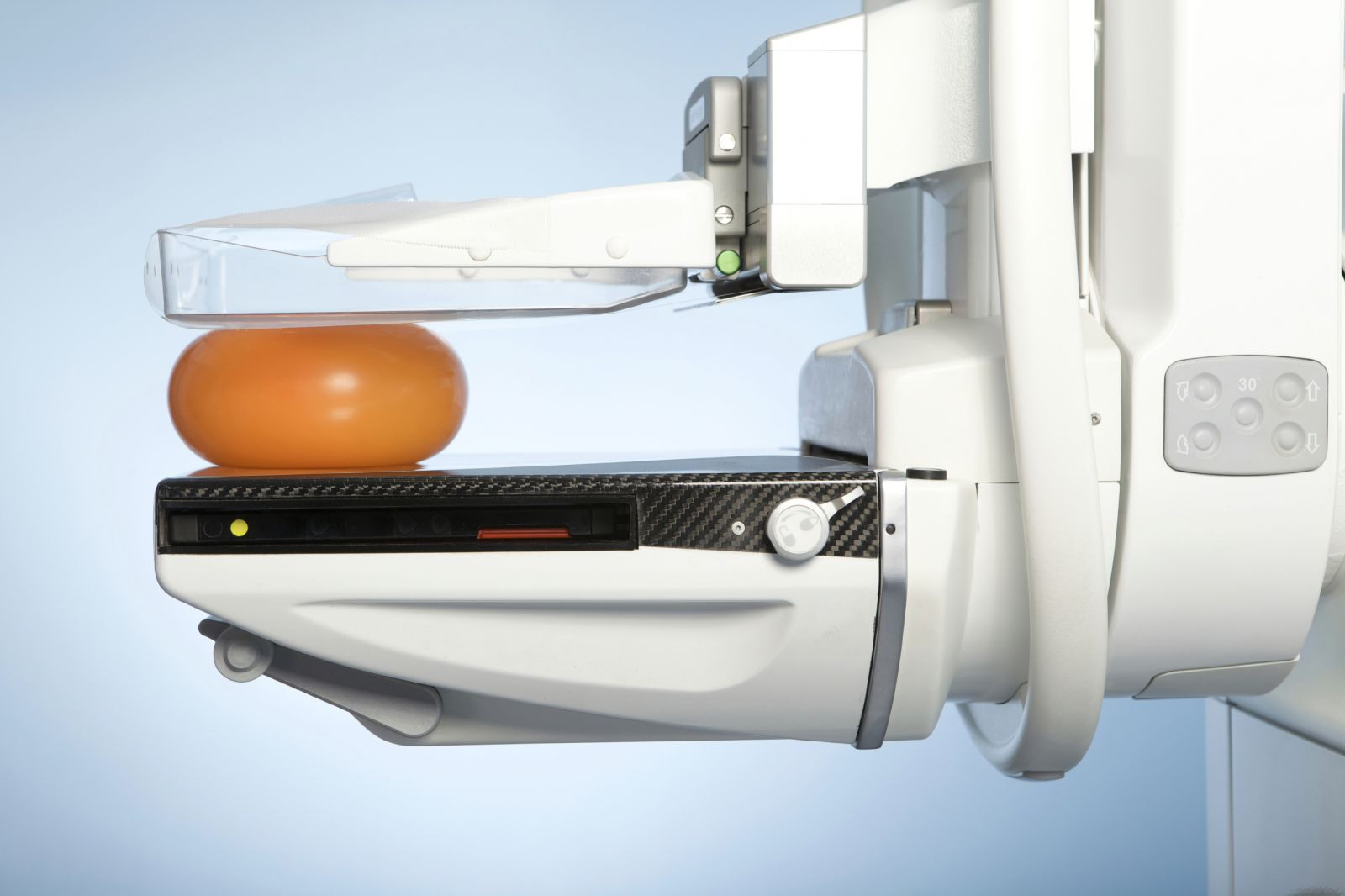
Why isn't there a more comfortable mammogram procedure?
Ask the doctor
Q. I have been smashed, squashed, pulled, and tugged annually for 25 years. Why isn't there a better way to take a mammogram?
A. We hear you! Compression mammography has been the "gold standard" for decades for one reason — it works. Flattening the breast makes ductal tissue easier to distinguish and reduces the amount of radiation required to do so. Studies have demonstrated that it is the most effective approach to breast cancer screening.
What is tempeh? Benefits, nutrition, and how to use it
Light exposure at night may raise risk for heart disease
Whole grains may improve several heart risk factors at once
A lumbar belt may help ease low back pain
Children of centenarians may stay healthier and live longer too, study finds
Signs of pneumonia: Sometimes vague and unexpected
The surprising link between ovarian cancer and the fallopian tubes
Using a vibration plate: What it can — and can't — do for your body
People who walk more or walk faster live longer, study finds
Rosacea treatments: What works?
Free Healthbeat Signup
Get the latest in health news delivered to your inbox!
Sign Up
