

Light exposure at night may raise risk for heart disease

Whole grains may improve several heart risk factors at once

A lumbar belt may help ease low back pain

Children of centenarians may stay healthier and live longer too, study finds

Signs of pneumonia: Sometimes vague and unexpected

The surprising link between ovarian cancer and the fallopian tubes

Using a vibration plate: What it can — and can't — do for your body

People who walk more or walk faster live longer, study finds

For sleep apnea, a dental device may be as effective as CPAP

Rosacea treatments: What works?
Breast Cancer Archive
Articles

Not your grandmother's breast cancer treatment
Breast cancer survival rates have markedly improved over the past several decades, driven by improved treatments. Less intensive chemotherapy can often be used, and immunotherapy and targeted drugs enable doctors to tailor treatment combinations to each woman. Women with metastatic breast cancer are often living many years because of new treatments that extend their lives. To improve outcomes, women with early-stage breast cancer should seek a multidisciplinary care team, in which many different specialists work in collaboration.
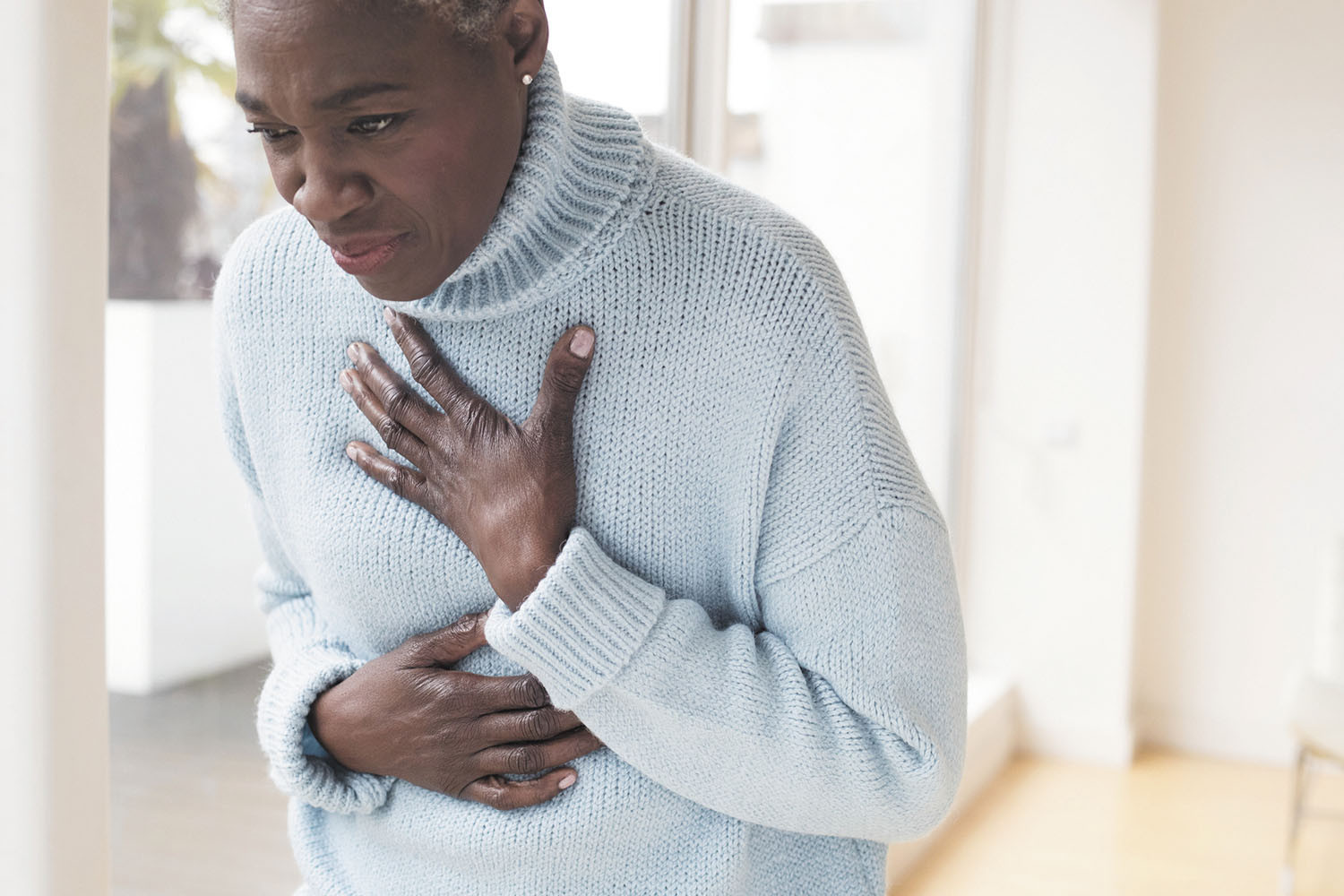
Hormone therapy linked to higher risks of GERD
A 2023 study suggests that women who have used menopausal hormone therapy are significantly more likely to develop gastroesophageal reflux disease (GERD).

After the baby grows up, how will your heart fare?
Pregnancy and reproductive complications, including high blood pressure, diabetes, pre-eclampsia, infertility, and stillbirth, are linked with higher cardiovascular risks in affected women many years later. Such complications affect 5% to 10% of pregnancies and are rising as obesity rates increase and more women postpone pregnancy. Ongoing preventive care and screenings are crucial for women who experienced pregnancy complications to monitor blood pressure, cholesterol, and blood sugar levels and treat any irregularities aggressively.

Early breast cancer survival rates increasing
Death risk from breast cancer that's treated early appears to be falling, according to a large 2023 study. The risk of dying from the cancer within five years dropped from about 14% for women diagnosed in the 1990s to about 5% for women diagnosed between 2010 and 2015.

National task force proposes updated breast cancer screening recommendations
The U.S. Preventive Services Task Force released updated draft guidelines in May 2023 proposing that women at average risk of breast cancer be screened every other year starting at age 40.

Screening advice that's not just skin deep
Melanoma kills about 8,000 Americans each year. Most people are at low risk of melanoma and don't need annual skin cancer screenings. People should be screened each year if they have risk factors such as dozens of atypical moles, a family history of melanoma or atypical moles, an earlier skin cancer, certain genetic mutations or predisposition, immune-suppressing therapy after organ transplantation or for inflammatory bowel disease, a history of blistering sunburns, or substantial tanning bed use.

Why do I bleed after sex?
Bleeding after sex can happen for many reasons, including vaginal dryness; inflammation from vaginal infections, including sexually transmitted infections; cervical polyps; or gynecological cancers. Women should see a doctor about unusual vaginal bleeding.

FDA approves first drug designed to treat hot flashes
In May 2023, the FDA approved fezolinetant (Veozah), a nonhormonal drug specifically designed to reduce the frequency and severity of hot flashes in women. Potential side effects include liver damage, abdominal pain, diarrhea, insomnia, or back pain.

Opioid use disorder in older adults: More common than you might think
Adults over 60 are the largest users of prescription opioids in the United States. Opioid use disorder and death rates among older adults have skyrocketed in recent years. Various factors make people more likely to abuse opioids, including smoking or earlier substance use problems. People can avoid sliding into opioid misuse by taking opioids for the shortest possible time, using non-opioid medications, and trying alternative pain relief approaches.
Light exposure at night may raise risk for heart disease
Whole grains may improve several heart risk factors at once
A lumbar belt may help ease low back pain
Children of centenarians may stay healthier and live longer too, study finds
Signs of pneumonia: Sometimes vague and unexpected
The surprising link between ovarian cancer and the fallopian tubes
Using a vibration plate: What it can — and can't — do for your body
People who walk more or walk faster live longer, study finds
For sleep apnea, a dental device may be as effective as CPAP
Rosacea treatments: What works?
Free Healthbeat Signup
Get the latest in health news delivered to your inbox!
Sign Up
