

Light exposure at night may raise risk for heart disease

Whole grains may improve several heart risk factors at once

A lumbar belt may help ease low back pain

Children of centenarians may stay healthier and live longer too, study finds

Signs of pneumonia: Sometimes vague and unexpected

The surprising link between ovarian cancer and the fallopian tubes

Using a vibration plate: What it can — and can't — do for your body

People who walk more or walk faster live longer, study finds
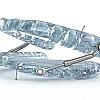
For sleep apnea, a dental device may be as effective as CPAP
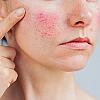
Rosacea treatments: What works?
Breast Cancer Archive
Articles

Is metformin a wonder drug?
Metformin, a medicine prescribed to treat type 2 diabetes, also has cardiovascular benefits and is used off-label to treat other conditions. Interest is growing in its potential to help lower risks for other serious health problems and even slow aspects of aging, but which of these benefits, if any, apply to people who do not have diabetes?

Building blocks
Every bodily function relies on protein. People's protein needs are based on age, body size, activity levels, and overall health. Harvard experts advise people to consume between 1.2 and 2.0 grams of protein each day for every kilogram (2.2 pounds) of body weight. Women need more protein at certain times, including pregnancy and breastfeeding. People who are competitive athletes or trying to build muscle should also eat higher amounts of protein. Older adults should consume higher amounts to combat age-related muscle loss.

Opill: Is this new birth control pill right for you?
The first over-the-counter daily birth control pill was approved by the FDA in 2023. How effective is it? What should you know about how to take it, which side effects may occur, and what to do if you miss a dose? Here are answers to these and other questions about this new nonprescription contraceptive.

Fibroids: Not just a young woman's problem
Uterine fibroids affect up to 80% of women by age 50. These noncancerous growths can shrink as menopause approaches and the body's estrogen level falls. But for some women, fibroids grow during and after the transition to menopause, worsening symptoms such as heavy bleeding, pelvic or lower back pain, bloating, frequent urination, or painful sex. Treatments for other health conditions may also influence older women's fibroid symptoms. To avert cancer concerns, doctors may remove fibroids that grow noticeably after menopause.

Measles: The serious risks of falling vaccination rates
We think of measles as a minor viral infection in children that goes away without complications, but it can have complications, and they can be serious or even fatal. Here's how to protect yourself, your circle, and your community - and why you should.

Ovary removal before menopause may pose health risks
A 2023 study suggests that women who have both ovaries removed before menopause face higher odds of several health conditions, including arthritis, sleep apnea, and bone fractures.

Cancer concerns from everyday products
Some products people use daily have been associated with increased cancer risks. Examples are aspartame, nonstick cookware, mattresses, cleaning products, and personal care products. While evidence is mixed, most consumer products confer low cancer risks, if any. People who are concerned about exposure to these common products should find alternatives. People can also reduce their overall cancer risks by stopping smoking, avoiding alcohol, exercising, and maintaining a healthy weight.

Beyond the usual suspects for healthy resolutions
By now many people have started working on -- or at least thinking about -- healthy changes they want to make in the new year. Here are 10 simple ways to move beyond typical resolutions about losing weight, eating better, and exercising more.

New guidelines aim to screen millions more for lung cancer
Lung cancer kills more Americans than any other cancer. The latest guidelines from the American Cancer Society aim to reduce deaths by considerably expanding the pool of people who seek annual, low-dose CT lung screening scans.

Daily sugary beverages may harm women's livers
A 2023 study suggests that regularly drinking sugar-sweetened beverages may increase women's risks of developing liver cancer or dying from chronic liver disease.
Light exposure at night may raise risk for heart disease
Whole grains may improve several heart risk factors at once
A lumbar belt may help ease low back pain
Children of centenarians may stay healthier and live longer too, study finds
Signs of pneumonia: Sometimes vague and unexpected
The surprising link between ovarian cancer and the fallopian tubes
Using a vibration plate: What it can — and can't — do for your body
People who walk more or walk faster live longer, study finds
For sleep apnea, a dental device may be as effective as CPAP
Rosacea treatments: What works?
Free Healthbeat Signup
Get the latest in health news delivered to your inbox!
Sign Up
