

Light exposure at night may raise risk for heart disease

Whole grains may improve several heart risk factors at once

A lumbar belt may help ease low back pain

Children of centenarians may stay healthier and live longer too, study finds

Signs of pneumonia: Sometimes vague and unexpected

The surprising link between ovarian cancer and the fallopian tubes

Using a vibration plate: What it can — and can't — do for your body

People who walk more or walk faster live longer, study finds

For sleep apnea, a dental device may be as effective as CPAP

Rosacea treatments: What works?
Breast Cancer Archive
Articles

How super are "superfoods"?
Certain fruits, vegetables, nuts, and seeds have been labeled "superfoods" because, compared with other foods, they have higher amounts of certain vitamins and minerals and powerful antioxidants. They often are associated with combating high blood pressure, diabetes, heart disease, and even some cancers. But instead of focusing on eating more of individual foods, experts suggest building "superplates" that include a variety of superfoods.

Vitamin D supplements linked to lower risk of advanced cancer
A study published by JAMA Network Open found that people taking vitamin D supplements were less likely to have a cancer that spread from the original tumor site to another part of their body or one that proved fatal. However, this risk reduction was only seen in people who were at a normal weight, not those who were overweight or obese. The study did not find that people who took vitamin D were less likely to develop cancer over all compared with those who did not.

Fighting the most common skin cancers
The most common non-melanoma skin cancers are basal cell carcinomas and squamous cell carcinomas. They aren’t usually life-threatening, but they can be quite dangerous. They can bleed, hurt, and eat away at skin. If left untreated, they can erode through important structures like the nose, eyes, bones, or muscles. If they become very large, they can spread, and in rare cases cause death. Treatment ranges from scraping out skin cancers with surgical tools to Mohs surgery, a procedure that spares as much healthy skin as possible.

How do I approach a new partner about STI testing?
Discussing sexually transmitted infections (STIs) at the start of a new relationship can protect both partners' health. Many STIs don't cause symptoms. Couples can test for STIs together or separately and share results before becoming intimate.

When sex hurts
Three-quarters of women experience painful sex at some point, and up to six in 10 report painful sex during the transition to menopause and beyond. Childbirth, menopause, and a condition called hypertonic pelvic floor contribute play a role in many cases of painful sex, though other health problems and treatments can contribute as well. Treatment options include lubricants, vaginal moisturizers, vaginal estrogen, and pelvic floor physical therapy.

DASH diet even better for women's hearts
A 2023 study found that the DASH diet, rich in whole grains, lean protein, nuts, low-fat dairy, and fruits and vegetables, may dramatically lower the risk of heart problems in women and Black adults.

Prostate cancer in transgender women
The increasing size and visibility of the transgender population has implications for public health. Hormone treatment given to transgender women lowers the overall risk of prostate cancer, but the risk of a trans woman developing the disease is not zero.

Exercise can reduce fatigue in breast cancer patients undergoing radiation
A 2022 study suggests that regular exercise may improve fatigue and physical and emotional well-being among women undergoing radiation treatment for breast cancer.
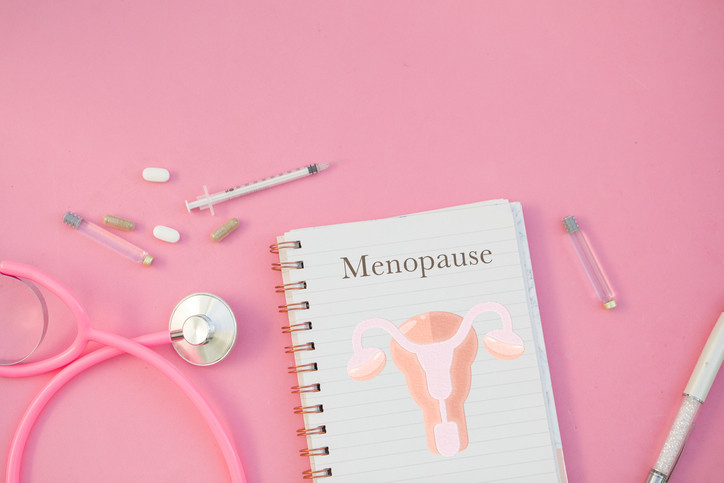
National task force updates recommendations on hormone therapy after menopause
Updated national guidelines on hormone therapy after menopause recommend that women use it only for relief of menopause-related symptoms, not to prevent chronic conditions that become likelier with age.

Does inflammation contribute to infertility?
Infertility affects millions of people worldwide. Chronic inflammation has been linked to many health conditions and some research suggests it might be a contributing factor for some cases of infertility. And if true, would an anti-inflammatory diet or lifestyle boost fertility?
Light exposure at night may raise risk for heart disease
Whole grains may improve several heart risk factors at once
A lumbar belt may help ease low back pain
Children of centenarians may stay healthier and live longer too, study finds
Signs of pneumonia: Sometimes vague and unexpected
The surprising link between ovarian cancer and the fallopian tubes
Using a vibration plate: What it can — and can't — do for your body
People who walk more or walk faster live longer, study finds
For sleep apnea, a dental device may be as effective as CPAP
Rosacea treatments: What works?
Free Healthbeat Signup
Get the latest in health news delivered to your inbox!
Sign Up
