CoQ10: Should you take this popular supplement if you're on a statin?

Microplastics: A hidden health threat?

Oat vs. dairy milk: Nutrition, benefits, and downsides

What is tempeh? Benefits, nutrition, and how to use it

Healing after food poisoning

Children of centenarians may stay healthier and live longer too, study finds

Light exposure at night may raise risk for heart disease

A lumbar belt may help ease low back pain

Whole grains may improve several heart risk factors at once

Signs of pneumonia: Sometimes vague and unexpected
Type 1 diabetes Archive
Articles





“Superbugs” and the very real threat of untreatable infections
Doctors recently discovered a gene in E. coli bacteria that makes it resistant to an antibiotic that is typically used when other drugs fail. This new finding suggests that effectiveness of last-resort antibiotics is at risk. As more bacteria evolve to “outsmart” antibiotics, scientists are increasingly concerned about infections caused by “superbugs” that cannot be treated with existing antibiotics.

A bummer for kids: Nasal flu vaccine not effective
For years, many kids could skip the traditional flu “shot” — along with the tears — and still be protected by the nasal spray vaccine also known as the LAIV (live attenuated influenza vaccine). But not this year. Studies now show that the nasal vaccine is quite ineffective, and pediatricians are starting to change their flu recommendations from a nose squirt to a shot.

Sugar: Its many disguises
Excess sugar in the diet can cause a whole host of health problems, both physical and mental. If you’re concerned about cutting down on sugar, you might think you’re covered if you skip the soda and pastries. But there are plenty of hidden and added sugars lurking in all kinds of foods — even those traditionally considered “healthy.” Here, we’ve given you some tips on what to watch out for.

Why controlling your weight lowers your risk of diabetes
Inflammation is an important link between obesity, elevated blood sugar, and type 2 diabetes.
Weight loss can reduce inflammation—a major contributor to diabetes.
Image: tetmc/Thinkstock
We've known for a long time that being overweight is a major risk factor for developing type 2 diabetes. But only in the last 20 years have researchers determined that metabolism and immune responses are linked and that chronic inflammation plays an important role in the development of obesity, diabetes, and related metabolic diseases. "Inflammation is not only associated with obesity, diabetes, and cardiovascular disease, but also precedes and predicts these conditions," says Dr. Allison Goldfine, head of the Clinical Research section at Harvard-affiliated Joslin Diabetes Center.
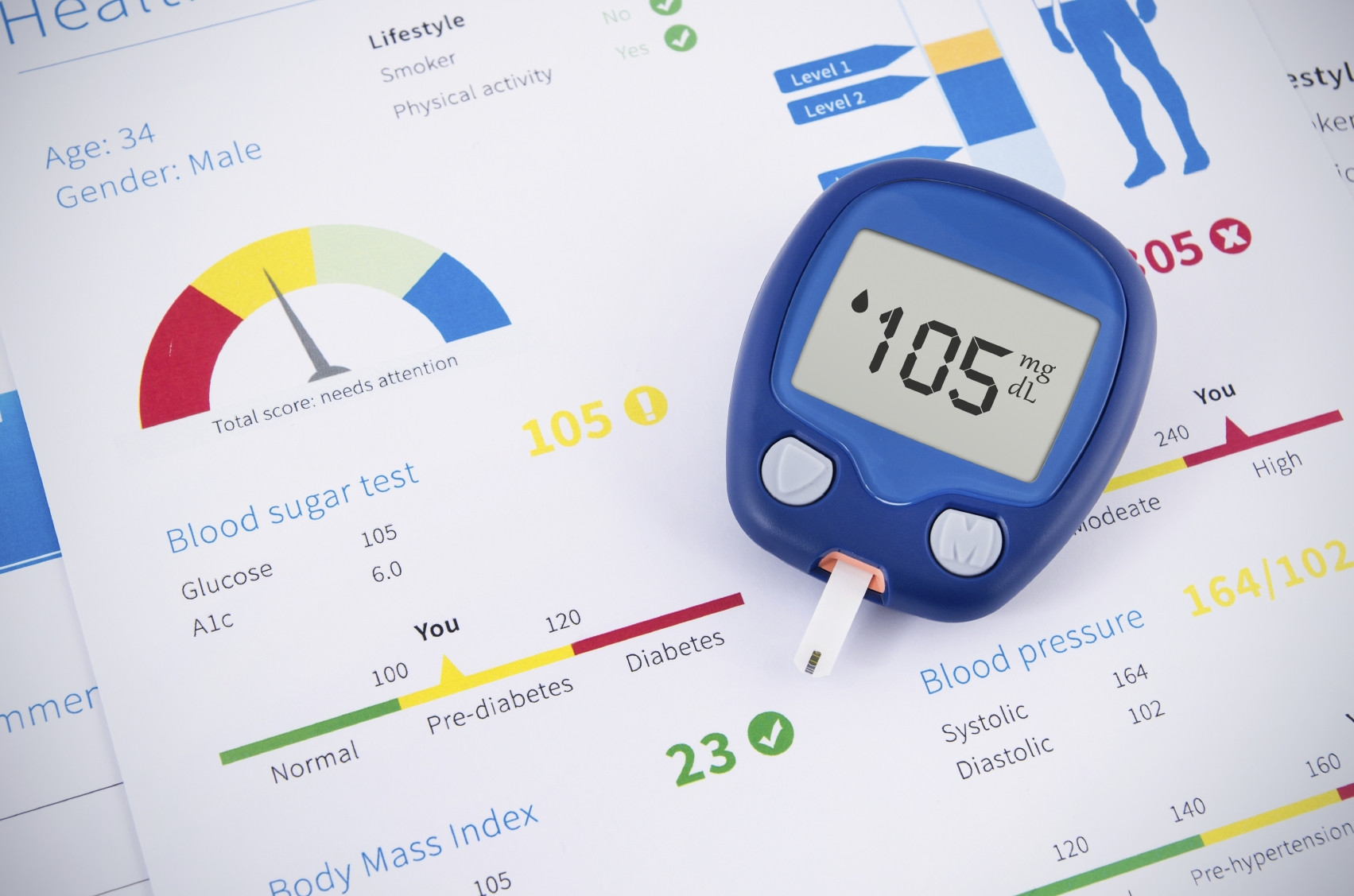
Diabetes drug pioglitazone could get personal: Neither panacea, nor peril
Doctors are often hesitant to prescribe newer drugs. We simply can’t know everything about them until the experiences of early adopters tell us what they’re really like. Such is the case with thiazolidinediones. Some of the more recent diabetes drugs fell out of favor, but a new study suggests that may be helpful for very specific types of patients.

CoQ10: Should you take this popular supplement if you're on a statin?
Microplastics: A hidden health threat?
Oat vs. dairy milk: Nutrition, benefits, and downsides
What is tempeh? Benefits, nutrition, and how to use it
Healing after food poisoning
Children of centenarians may stay healthier and live longer too, study finds
Light exposure at night may raise risk for heart disease
A lumbar belt may help ease low back pain
Whole grains may improve several heart risk factors at once
Signs of pneumonia: Sometimes vague and unexpected
Free Healthbeat Signup
Get the latest in health news delivered to your inbox!
Sign Up