CoQ10: Should you take this popular supplement if you're on a statin?

Microplastics: A hidden health threat?

Oat vs. dairy milk: Nutrition, benefits, and downsides

What is tempeh? Benefits, nutrition, and how to use it

Healing after food poisoning

Children of centenarians may stay healthier and live longer too, study finds

Light exposure at night may raise risk for heart disease

A lumbar belt may help ease low back pain

Whole grains may improve several heart risk factors at once

Signs of pneumonia: Sometimes vague and unexpected
Type 1 diabetes Archive
Articles

How to eat healthy away from home if you have diabetes
For people with diabetes, eating out — whether at a restaurant, a social function, or a friend's home — can be a challenge. Portions can be hefty and packed with calories and saturated fat. When you eat out, it may help to follow these simple guidelines:
- Ask how entrées are prepared, and avoid fried foods or dishes served in heavy sauces or gravies.
- Choose skinless chicken, fish, or lean meat that's broiled, poached, baked, or grilled.
- Get the server's advice to help you select healthy, low-fat dishes. Restaurants are used to dealing with special diets.
- Don't feel obliged to clean your plate. Eat a reasonable portion, and take the remainder home.
- Choose steamed vegetables and salads to accompany your meals. Request low-calorie dressings and toppings, and if they're not available, ask for all dressings, butter, and sauces to be served on the side so you can use them sparingly.
- If you take insulin and you know your meal will be delayed, time your injection appropriately. You may need to eat a roll or piece of fruit to tide you over.
- If you're craving dessert, have some — but split it with someone else.
For more information on the essentials for a healthy diet and managing type 2 diabetes, buy Healthy Eating for Type 2 Diabetes, a Special Health Report from Harvard Medical School.

H. pylori, a true stomach “bug”: Who should doctors test and treat?
A stomach infection of H. pylori bacteria can cause ulcers, but not everyone with the infection shows symptoms and the treatment process can be challenging, so only people with certain conditions need to be tested for it.
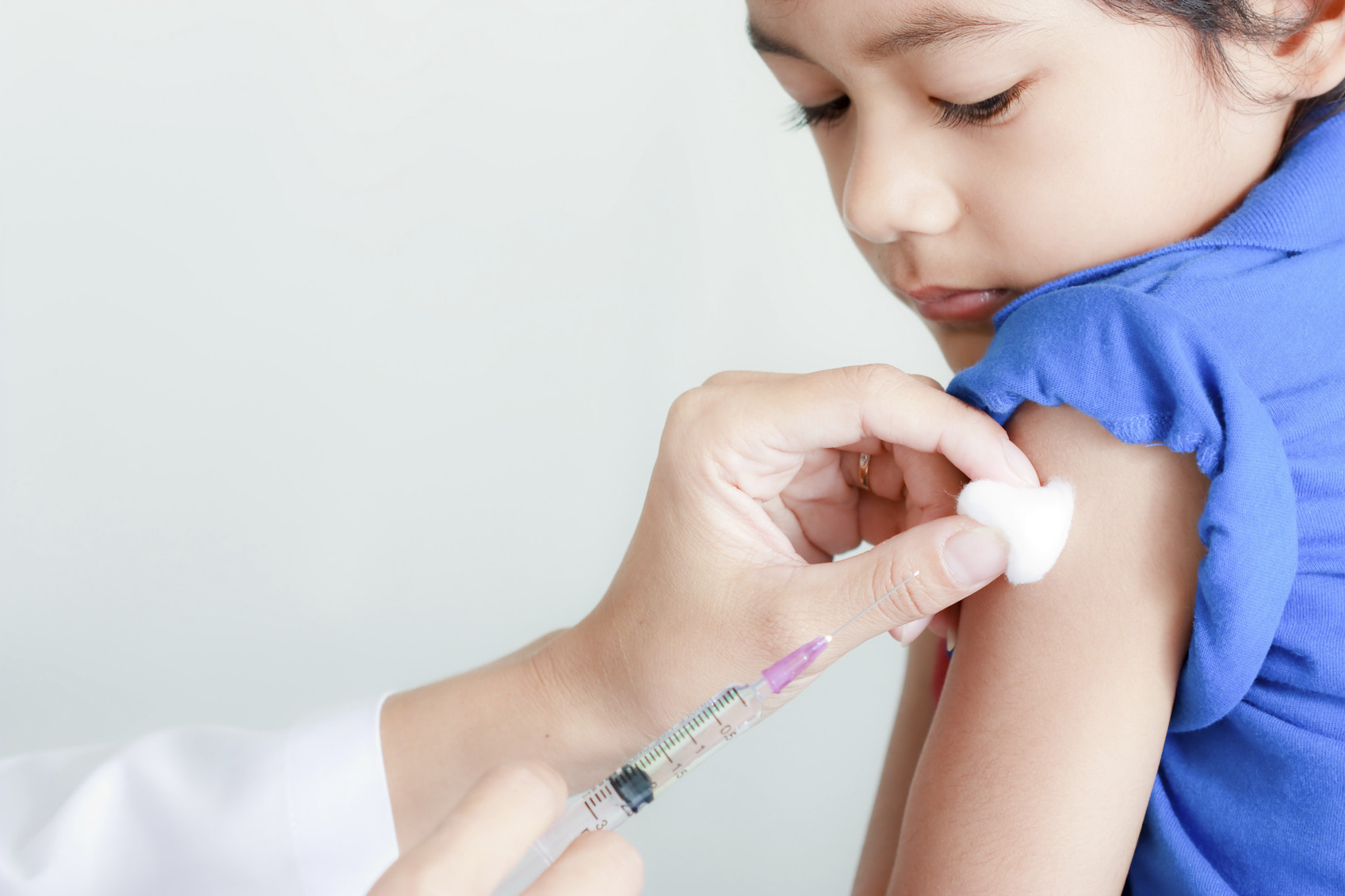
The flu shot saves children’s lives
Even though this year’s flu season is just about over, parents should be thinking about protecting their children next winter. Despite short-term reactions in some people, the flu shot is safe for nearly everyone.

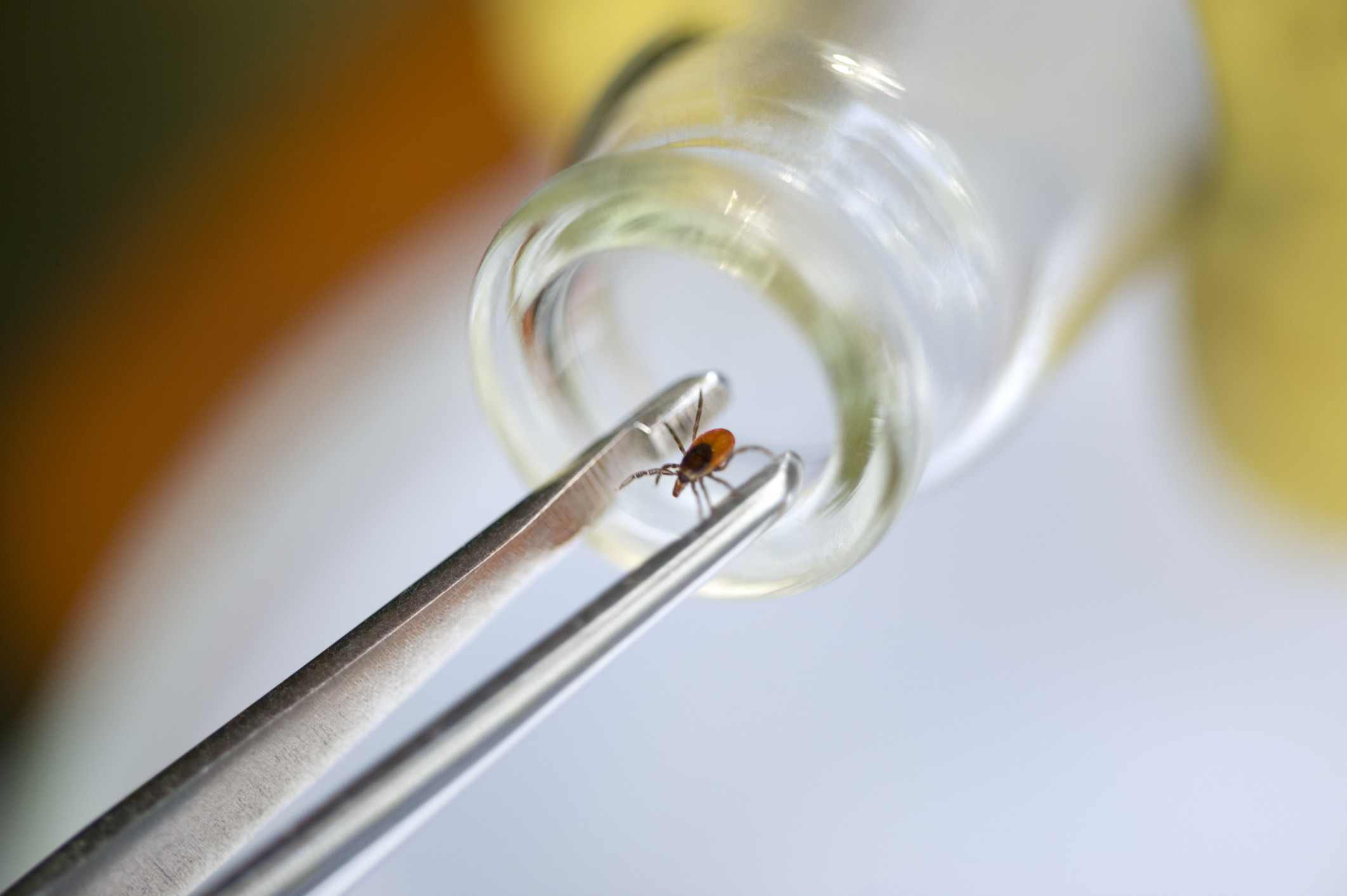
Finding the tick in time could save you from Lyme!
Outdoor activities can be spoiled by getting Lyme disease from a tick bite. Know what to do to protect yourself (and your pets) from this infection and its unpleasant symptoms, as well as what to do if you have already been bitten. If you do end up with a tick “on board” it is important to remove it correctly and know when to call your doctor.

Charles Darwin, Chagas’ disease, and the killer kissing bugs of California
An insect known as the kissing bug has the ability to pass along Chagas’ disease to unsuspecting people. While it affects more people in Latin America than in this country, this parasitic disease can still be a problem in the southwestern United States. Most cases of Chagas’ disease pass without much incidence, but it can cause lasting problems. The rates of Chagas’ disease could go up with climate change, and more research is definitely needed. Charles Darwin may be one of the first “researchers” on the subject, but he’s not to be the last.
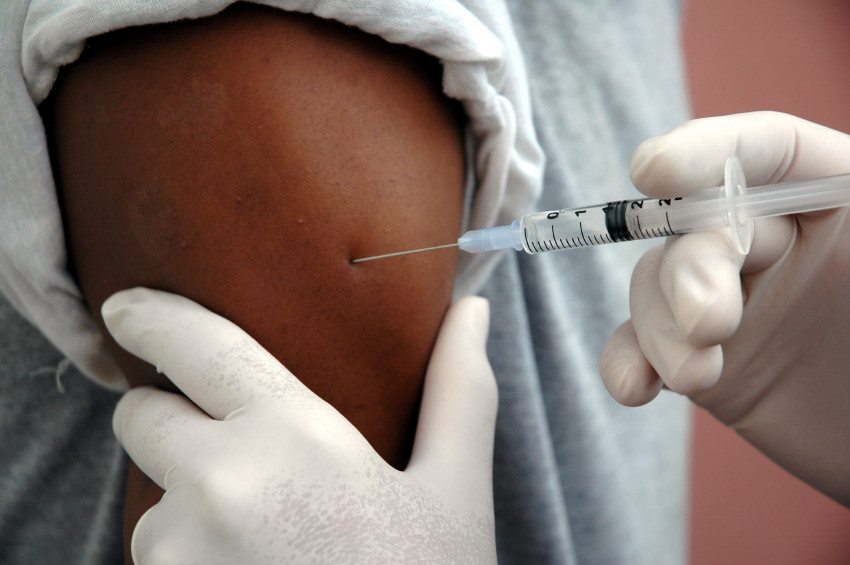
2017 update to the immunization schedule for kids
The CDC and the AAP update their vaccine recommendations every year, and here are the latest changes. These updates show just how important it is to stay on top of research and help increase the effectiveness of each vaccine. The schedule for routine immunizations and catching up kids who get behind can be found on the CDC and AAP websites if you’d like more information.

Ask the doctor: Do artificial sweeteners cause insulin resistance?
In preliminary research, sucralose and acesulfame potassium increased insulin levels, although more studies are necessary to determine whether they—or other artificial sweeteners—increase the risk of insulin resistance.

Ask the doctor: Does psoriasis raise diabetes risk?
Some experts feel there is evidence that probiotics may help prevent or treat several conditions, such as inflammatory bowel diseases, travelers’ diarrhea, irritable bowel syndrome, and some allergies (particularly eczema).

CoQ10: Should you take this popular supplement if you're on a statin?
Microplastics: A hidden health threat?
Oat vs. dairy milk: Nutrition, benefits, and downsides
What is tempeh? Benefits, nutrition, and how to use it
Healing after food poisoning
Children of centenarians may stay healthier and live longer too, study finds
Light exposure at night may raise risk for heart disease
A lumbar belt may help ease low back pain
Whole grains may improve several heart risk factors at once
Signs of pneumonia: Sometimes vague and unexpected
Free Healthbeat Signup
Get the latest in health news delivered to your inbox!
Sign Up