CoQ10: Should you take this popular supplement if you're on a statin?

Microplastics: A hidden health threat?

Oat vs. dairy milk: Nutrition, benefits, and downsides

What is tempeh? Benefits, nutrition, and how to use it

Healing after food poisoning

Children of centenarians may stay healthier and live longer too, study finds

Light exposure at night may raise risk for heart disease

A lumbar belt may help ease low back pain

Whole grains may improve several heart risk factors at once

Signs of pneumonia: Sometimes vague and unexpected
Type 1 diabetes Archive
Articles

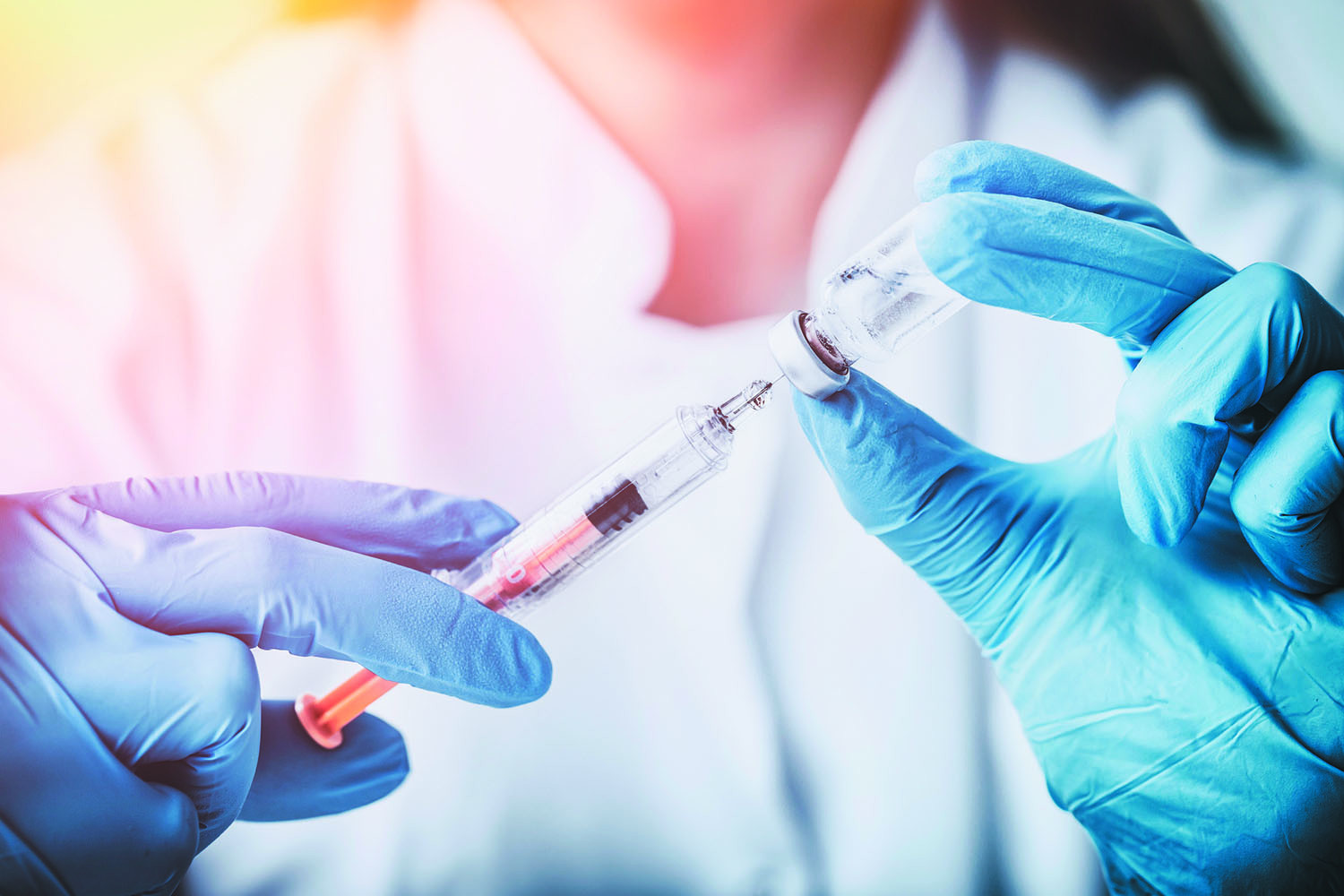
What’s new with the flu shot?
If you are planning to get a flu shot but have not yet done so, it may be worth waiting a little longer, as data on patients from four recent flu seasons found that protection against the virus declined over the course of the winter.
Midlife heart health shows a link with future risk of dementia
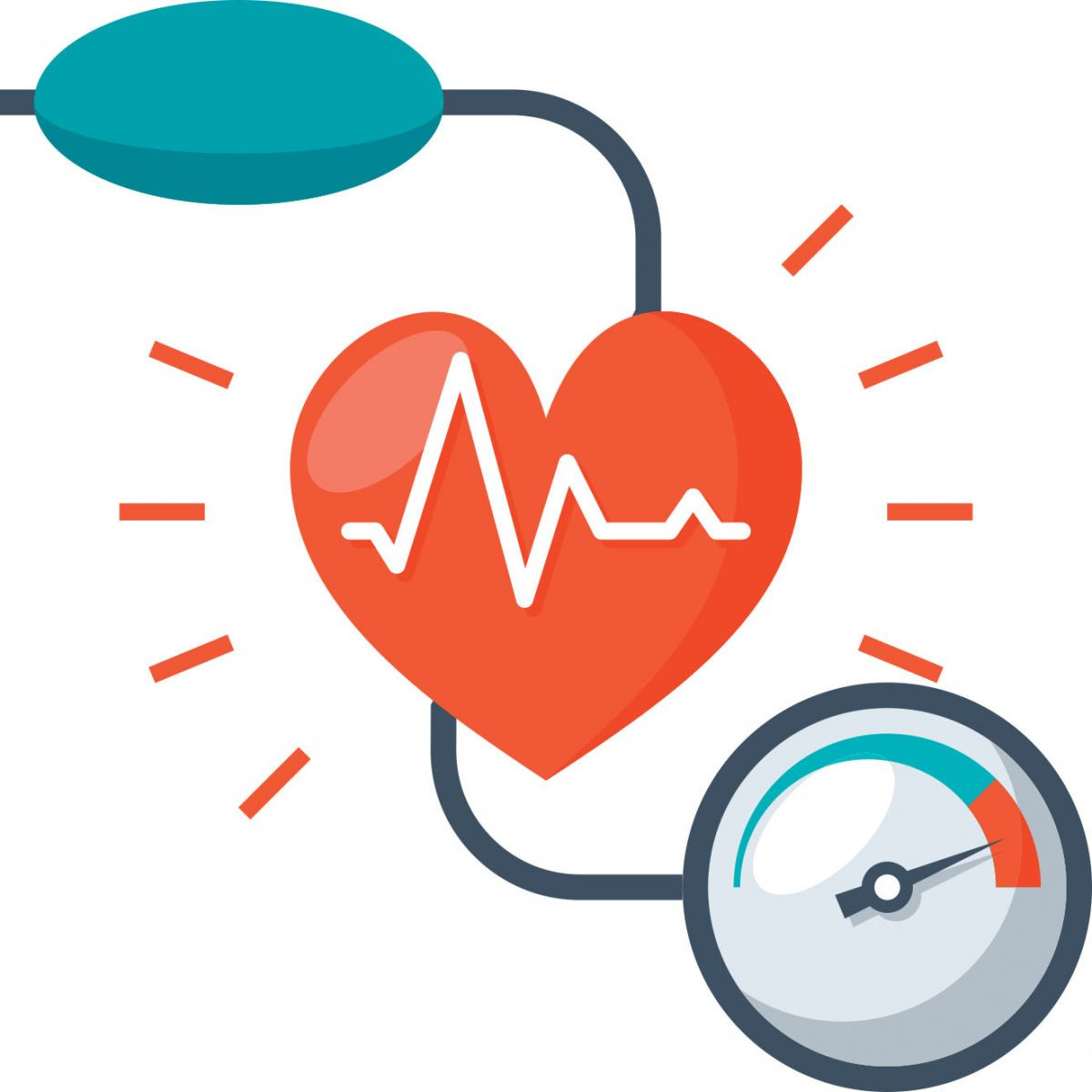
Factors that harm your heart may be bad for your brain.
Image: © Nik01ay/Thinkstock
During middle age, factors that leave you prone to a heart attack or stroke — high blood pressure, diabetes, and smoking — may raise your risk of developing dementia a quarter-century later, new research suggests. All three things affect your vascular (blood vessel) health.
The recent study, which adds to the growing evidence linking heart health to brain health, has elements that make findings especially reliable, says Dr. Gad Marshall, a Harvard Medical School assistant professor of neurology. "For understanding the vascular risks for dementia, this study is as close to definitive as we can get," he says.

Artificial sweeteners: No help, possible harm?
Research we're watching
Image: © Highwaystarz-Photography/Thinkstock
Close to a third of Americans say they use artificial sweeteners on a daily basis. Popular examples include aspartame (Equal, NutraSweet), sucralose (Splenda), and stevia (Truvia, Pure Via). They're all available in packets and are also added to soda, yogurt, and other foods.
But do these sugar substitutes actually help you lose weight? New research suggests they do not. In fact, these zero-calorie additives may have the opposite effect — and possibly even increase the risk of high blood pressure, diabetes, and heart disease.

Test may someday help predict diabetes risk
All women, regardless of risk, should focus on preventing diabetes.
Can a blood test act as a crystal ball, alerting you to a health hazard that may await you down the road? Researchers say they've found one that may do just that for diabetes. It could help predict whether women — even ones with no other signs of the disease — may develop the condition in the future.
In a study published online June 21 by the Journal of Clinical Lipidology, researchers showed that in many cases, a test called lipoprotein insulin resistance (LPIR) did a better job, at predicting which women would go on to develop diabetes, says Dr. Samia Mora, one of the study authors and associate professor of medicine at Harvard Medical School. In many cases, it was more accurate than traditional measures — such as


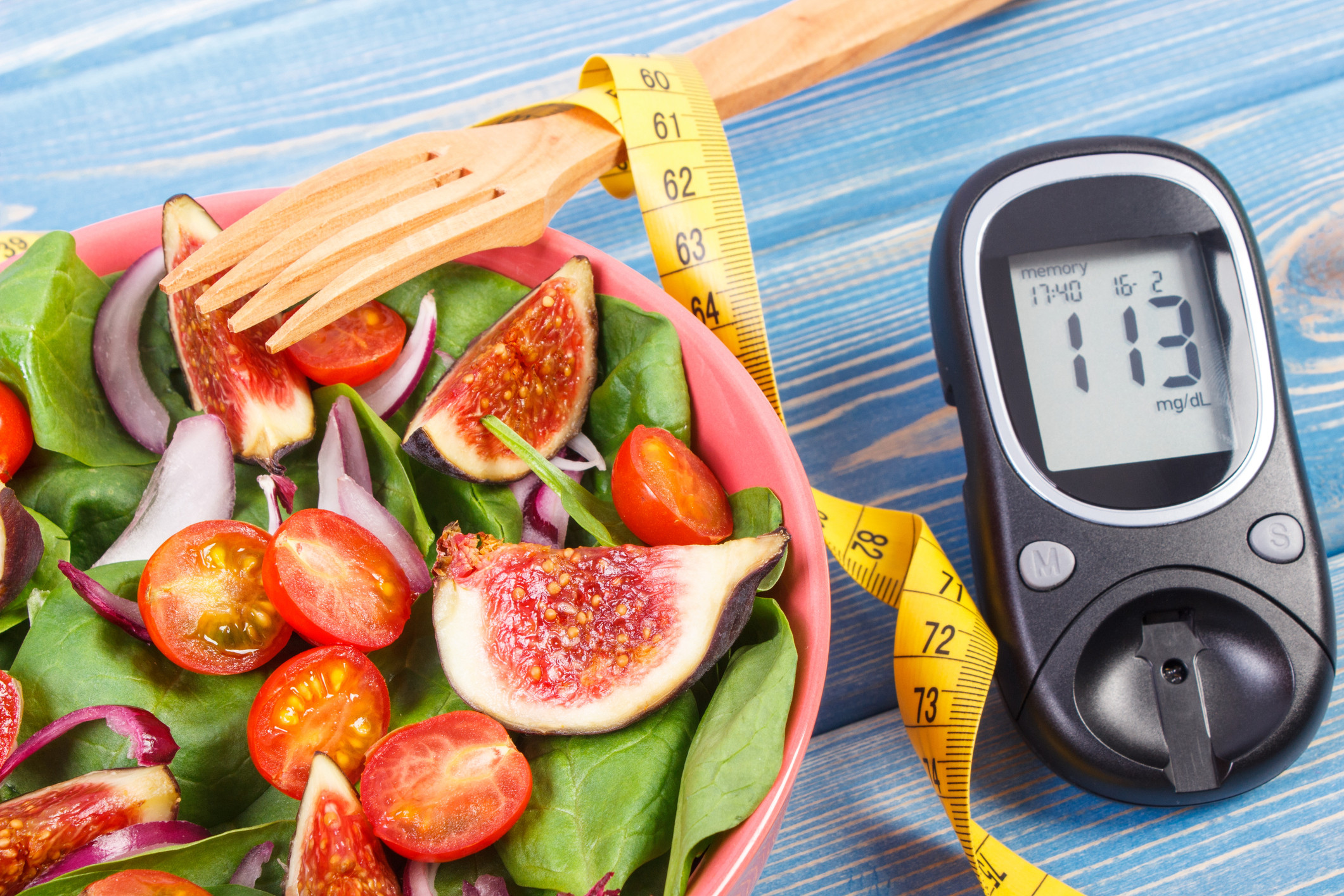
Have you checked your blood sugar lately?
News briefs
Many Americans may be living with the precursor condition to type 2 diabetes without even knowing it, according to a report released July 18, 2017, by the CDC. The National Diabetes Statistics Report found that more than 84 million people in the United States likely have prediabetes — higher-than-normal blood sugar levels.
Prediabetes can turn into full-blown type 2 diabetes — meaning the body doesn't respond to insulin, a hormone that helps cells absorb blood sugar for energy. Type 2 diabetes increases the risk for vision loss; heart disease; stroke; kidney failure; amputation of toes, feet, or legs; and even early death. The report found that almost one in four people with diabetes is undiagnosed.

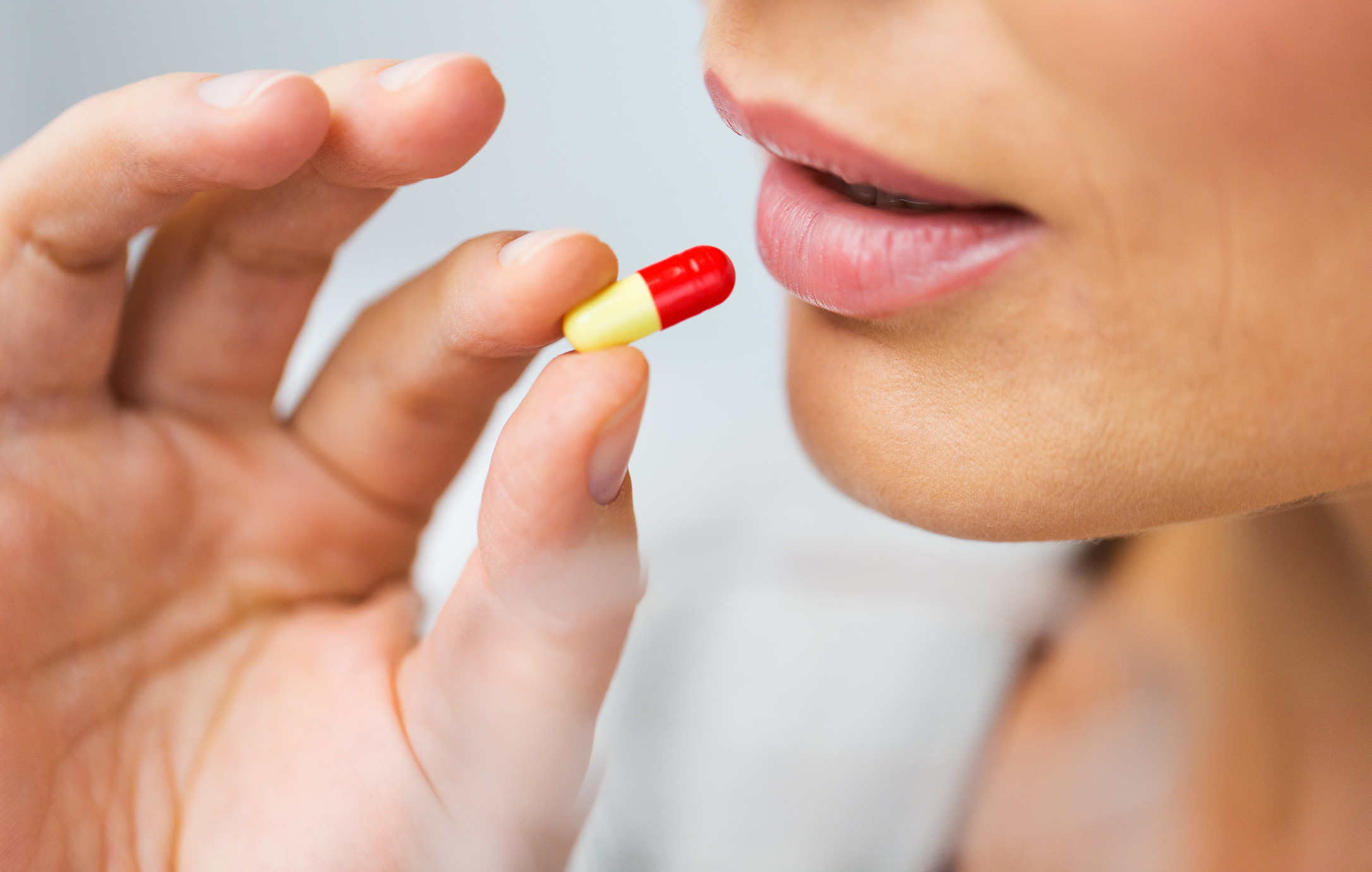
Is the “full course of antibiotics” full of baloney?
Conventional medical wisdom has held that taking antibiotics for longer periods of time produces better results and lowers the risk for antibiotic resistance. But the evidence for this is slim, and researchers are now questioning this approach.
CoQ10: Should you take this popular supplement if you're on a statin?
Microplastics: A hidden health threat?
Oat vs. dairy milk: Nutrition, benefits, and downsides
What is tempeh? Benefits, nutrition, and how to use it
Healing after food poisoning
Children of centenarians may stay healthier and live longer too, study finds
Light exposure at night may raise risk for heart disease
A lumbar belt may help ease low back pain
Whole grains may improve several heart risk factors at once
Signs of pneumonia: Sometimes vague and unexpected
Free Healthbeat Signup
Get the latest in health news delivered to your inbox!
Sign Up