CoQ10: Should you take this popular supplement if you're on a statin?

Microplastics: A hidden health threat?

Oat vs. dairy milk: Nutrition, benefits, and downsides

What is tempeh? Benefits, nutrition, and how to use it

Healing after food poisoning

Children of centenarians may stay healthier and live longer too, study finds

Light exposure at night may raise risk for heart disease

A lumbar belt may help ease low back pain

Whole grains may improve several heart risk factors at once

Signs of pneumonia: Sometimes vague and unexpected
Type 1 diabetes Archive
Articles


I'm so lonesome I could cry
The health risks of loneliness and isolation have been known for some time, but more recently research has shown the specific effects in the brain. Finding ways to make connections with other people is the best "medicine" to alleviate the mental and physical effects of loneliness.

Coffee: More links to health than harm
News briefs
Image: © Wavebreakmedia/Getty Images
Past studies have suggested that drinking coffee is associated with many health benefits, such as added longevity, lower blood pressure, less weight gain with aging, and a reduced risk of many diseases, including type 2 diabetes, liver disease, cardiovascular disease, several degenerative neurological diseases (like Parkinson's disease), and cancer. Now a massive review of more than 200 large studies, published Nov. 22, 2017, in The BMJ, backs up many of those links. The largest health benefits were associated with drinking three to four cups of coffee per day: drinking more than four cups per day did not bring additional benefits. It's not all good news, however; the study found that women who drank coffee had greater risks for fracture and pregnancy complications. But over all, the researchers say, coffee drinking appears to be safe. They caution that the findings are all based on observational studies, not randomized controlled trials — the gold standard of research.
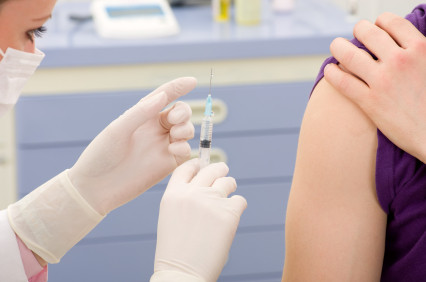

This year’s flu season: Public health catastrophe or par for the course?
This winter flu activity has been higher than usual across the United States. If you have not gotten a flu shot yet, it’s not too late; some protection is better than none, plus there are other steps you can take to protect yourself and those around you.
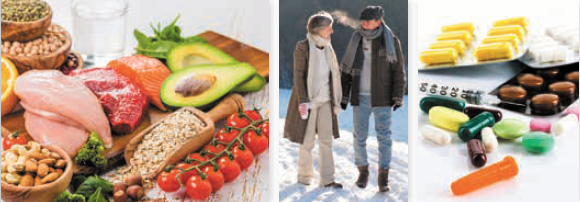
Deterring heart disease if you have diabetes
Lifestyle changes are vital, but new medications may help.
a_namenko; © Halfpoint | Thinkstock; zaretskaya | GettyImages
Two of the most prevalent health problems in this country — type 2 diabetes and heart disease — are closely linked. People with diabetes are more than twice as likely to die from heart disease than those without diabetes. An array of overlapping risk factors (such as being overweight and having high blood pressure and cholesterol levels) probably explains part of this association.
On the plus side, a diet that emphasizes vegetables, fruits, whole grains, lean protein, and healthy fats, coupled with regular moderate exercise (at least 30 minutes daily, most days of the week) can help people dodge the dangers associated with both heart disease and type 2 diabetes. Even so, most people with type 2 diabetes must also take the drug metformin (or other medications) to help reduce their high blood sugar levels, the hallmark of the disease.
The flu is here — and so is a new advisory from the CDC
If you have not yet gotten a flu shot, the CDC has issued an advisory for this season that may make you reconsider. The severity of the virus is stronger this year, and while the vaccine may not be as effective as in years past, some protection is better than none.
Racial and ethnic minority communities hit hard by type 2 diabetes: Here’s what we can do
As the number of people with diabetes continues to climb, the problem is especially acute for members of many ethnic and racial minority communities. Greater awareness of this situation is required to bring improved care and treatment to everyone who needs it.

CoQ10: Should you take this popular supplement if you're on a statin?
Microplastics: A hidden health threat?
Oat vs. dairy milk: Nutrition, benefits, and downsides
What is tempeh? Benefits, nutrition, and how to use it
Healing after food poisoning
Children of centenarians may stay healthier and live longer too, study finds
Light exposure at night may raise risk for heart disease
A lumbar belt may help ease low back pain
Whole grains may improve several heart risk factors at once
Signs of pneumonia: Sometimes vague and unexpected
Free Healthbeat Signup
Get the latest in health news delivered to your inbox!
Sign Up