CoQ10: Should you take this popular supplement if you're on a statin?

Microplastics: A hidden health threat?

Oat vs. dairy milk: Nutrition, benefits, and downsides

What is tempeh? Benefits, nutrition, and how to use it

Healing after food poisoning

Children of centenarians may stay healthier and live longer too, study finds

Light exposure at night may raise risk for heart disease

A lumbar belt may help ease low back pain

Whole grains may improve several heart risk factors at once

Signs of pneumonia: Sometimes vague and unexpected
Type 1 diabetes Archive
Articles


The latest deadly superbug, and why it's not time to panic
Infections from a drug-resistant fungus have been occurring around the world for the past decade. It's not cause for panic, but it's wise to understand the facts and ways to protect yourself.

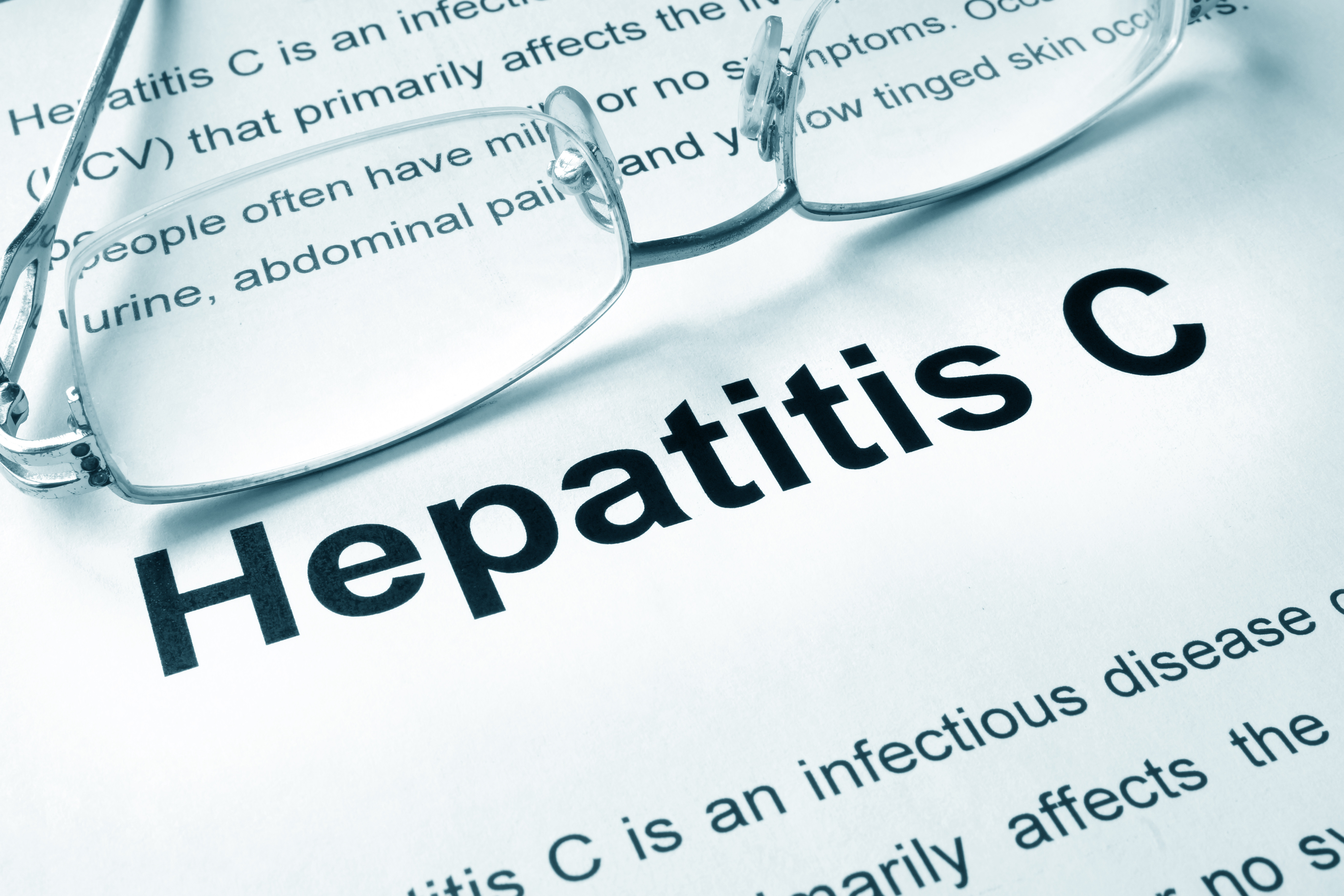
Baby boomers and hepatitis C: What’s the connection?
Because those in the baby boom generation account for around 75% of hepatitis C cases, the CDC and USPSTF are recommending that all baby boomers should get screened for the hepatitis C virus.
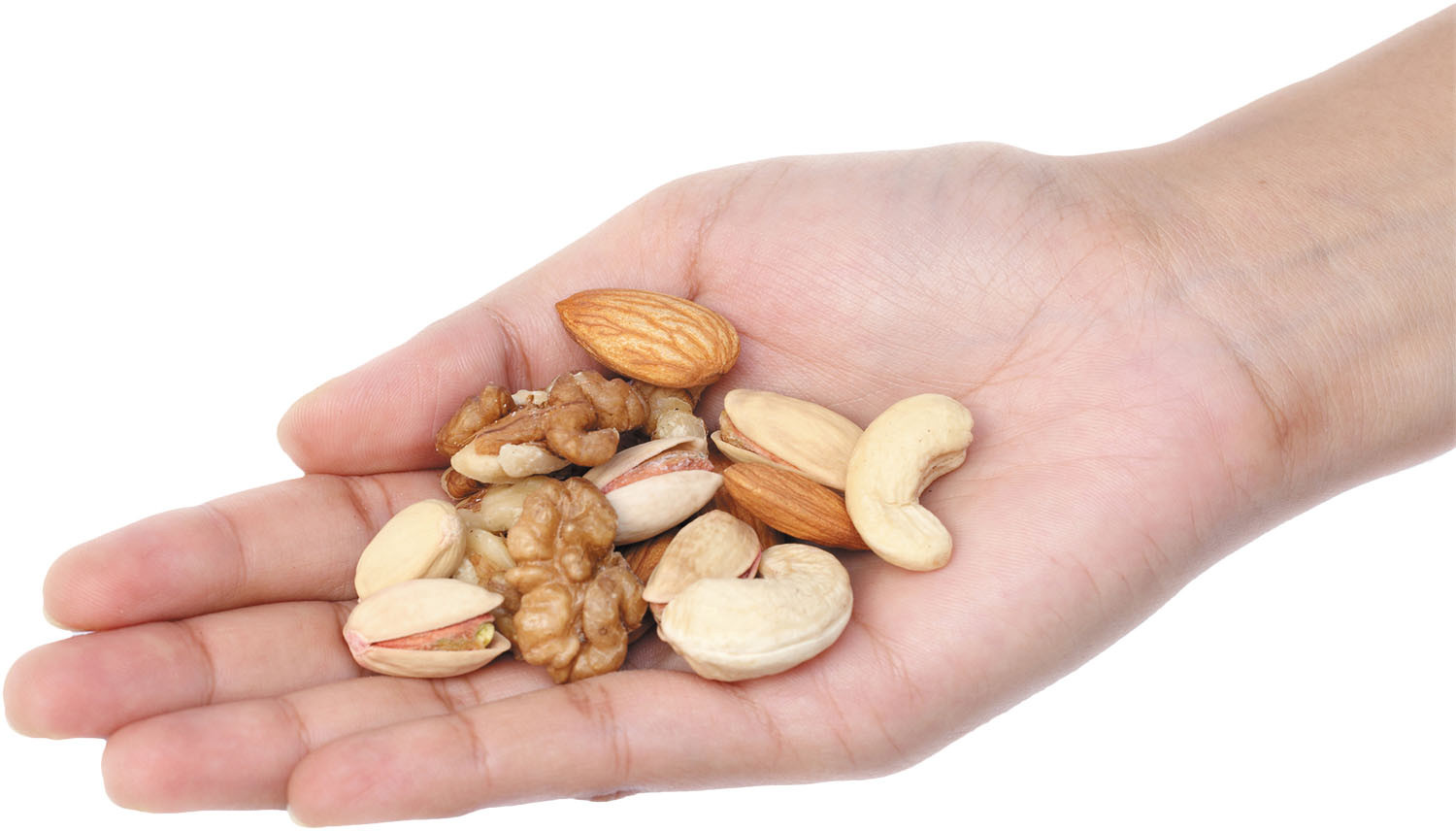
Diabetes? Go nuts to lower your heart risk
Research we're watching
A near-daily serving of nuts may lower the risk of cardiovascular disease in people with type 2 diabetes, new research suggests. The study, published online February 19 by Circulation Research, relied on diet surveys from more than 16,000 people before and after they were diagnosed with type 2 diabetes, a condition that elevates the risk of heart disease. Researchers asked them about their nut-eating habits over a period of several years. People who ate five servings of nuts per week had a 17% lower risk of cardiovascular disease compared with those who ate less than a serving per week.
Chock full of unsaturated fat, fiber, and minerals, nuts can help control blood sugar, blood pressure, and cholesterol. Tree nuts, which include walnuts, almonds, and pistachios, seemed to offer the strongest benefits in the study. Peanuts, which aren't technically nuts but legumes, weren't quite as healthy. While this study can't prove cause and effect, eating a small handful of unsalted nuts on most days will likely help your heart, even if you don't have diabetes.

How a good night's sleep might help your heart
Research we're watching
Sleep has long been known to help protect you against heart disease, and researchers now think they know at least one reason why. A study published online February 13 by the journal Nature looked at how sleep duration and quality relates to the buildup of damaging plaque in the arteries.
Harvard Medical School researchers found that a lack of good sleep boosts the body's production of inflammatory white blood cells that earlier research has linked to fatty buildup in the arteries. This could help explain why sleep problems can lead to arterial buildup. Poor sleep is linked not only to clogged arteries, but also to a host of chronic health conditions, such as cancer, obesity, and diabetes — all good reasons to make sure you get your z's.
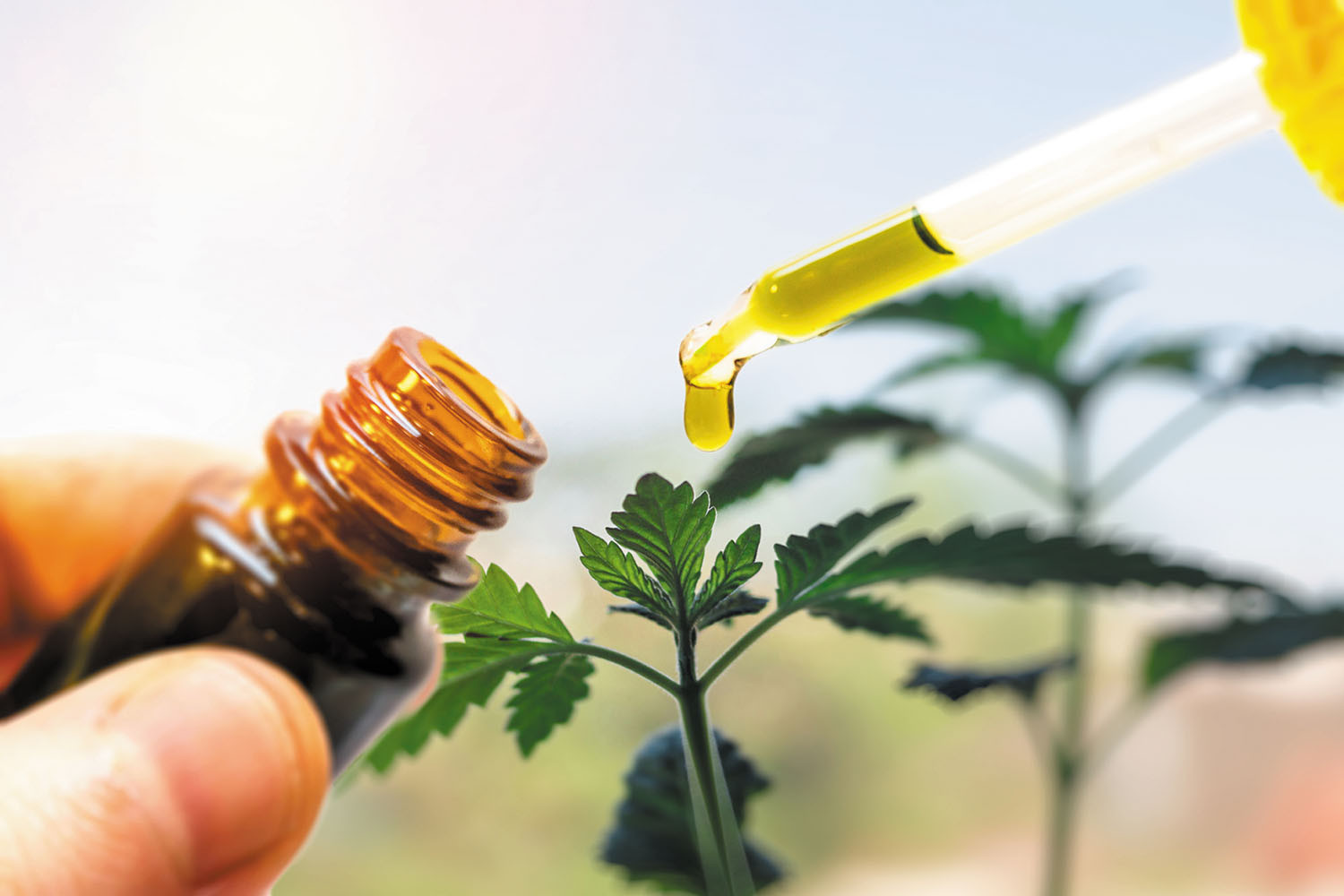
Answers to the top questions about cannabis extract
Sales of cannabidiol-infused products are expected to top $2 billion by 2021. But is CBD right for you?
Cannabidiol (CBD) is touted as a natural wonder that can help treat symptoms of everything from anxiety to arthritis pain. The plant extract comes from two varieties of cannabis — hemp and marijuana — and is available in creams, tinctures, oils, patches, gummy bears, capsules, and more. You can even add CBD to a latte if you walk into a coffee shop in some cities.
But is CBD safe for older adults? There haven't been a lot of large studies of CBD's safety, but more traditional medicines for pain and anxiety are not free of adverse effects, either. "I think CBD is likely safer than many other treatments people use for pain, insomnia, or anxiety," says Dr. Peter Grinspoon, a primary care physician with Harvard-affiliated Massachusetts General Hospital. Other physicians don't think we know enough about the safety profile of CBD to be sure.

Tuberculosis vaccine shows promise in controlling blood sugar
Research we're watching
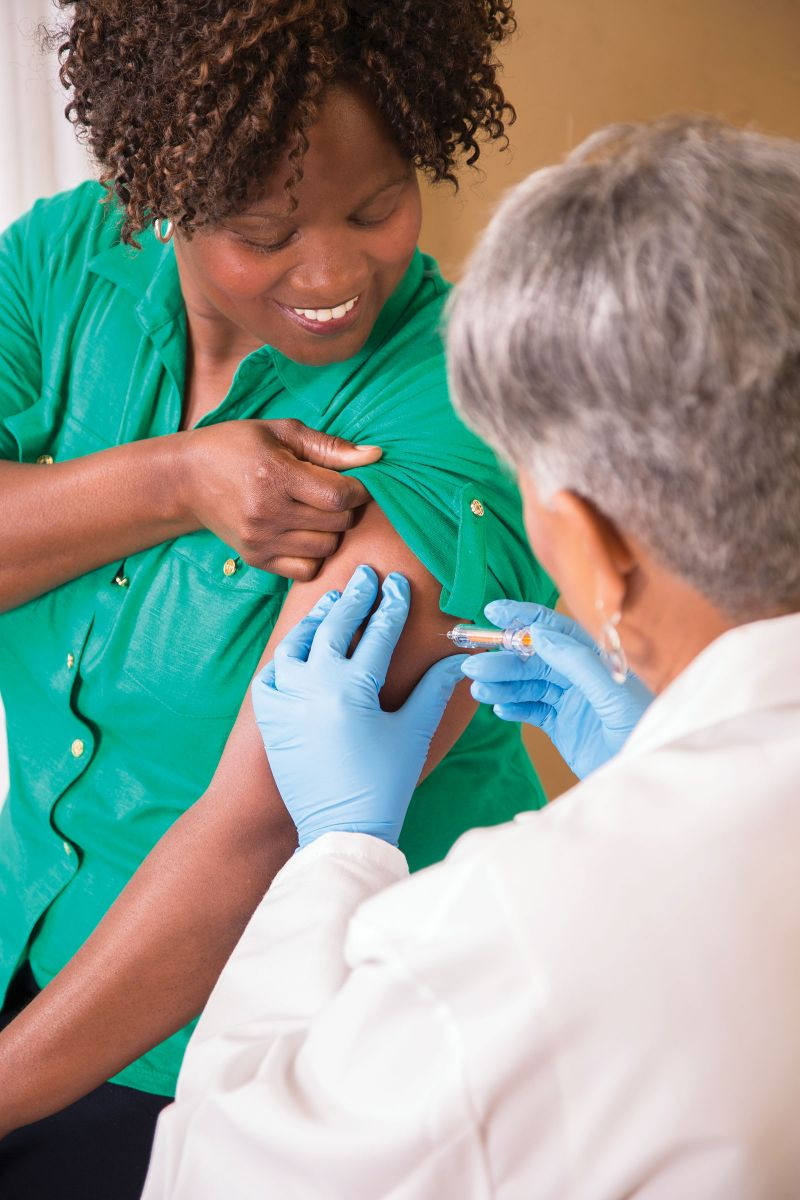
A long-used vaccine is showing promise in helping to restore near-normal blood sugar levels in people with advanced type 1 diabetes. Researchers from Harvard Medical School injected adults who had type 1 diabetes with two doses of the bacillus Calmette-Guérin (BCG) vaccine, which is traditionally used to prevent tuberculosis.
Participants in the study, all of whom had type 1 diabetes for many years, all showed significant improvements in their average blood sugar levels after the vaccination. The improvements lasted for the next five years. Researchers said that it appears the vaccine affected a metabolic mechanism that increases consumption of glucose by cells.
CoQ10: Should you take this popular supplement if you're on a statin?
Microplastics: A hidden health threat?
Oat vs. dairy milk: Nutrition, benefits, and downsides
What is tempeh? Benefits, nutrition, and how to use it
Healing after food poisoning
Children of centenarians may stay healthier and live longer too, study finds
Light exposure at night may raise risk for heart disease
A lumbar belt may help ease low back pain
Whole grains may improve several heart risk factors at once
Signs of pneumonia: Sometimes vague and unexpected
Free Healthbeat Signup
Get the latest in health news delivered to your inbox!
Sign Up