CoQ10: Should you take this popular supplement if you're on a statin?

Microplastics: A hidden health threat?

Oat vs. dairy milk: Nutrition, benefits, and downsides

What is tempeh? Benefits, nutrition, and how to use it

Healing after food poisoning

Children of centenarians may stay healthier and live longer too, study finds

Light exposure at night may raise risk for heart disease

A lumbar belt may help ease low back pain

Whole grains may improve several heart risk factors at once

Signs of pneumonia: Sometimes vague and unexpected
Type 1 diabetes Archive
Articles

The inconvenient truth of vaccine refusal
The development of vaccines for many once-fatal illnesses has saved the lives of hundreds of thousands of children in the United States. While some parents may have concerns about the side effects of a vaccine, the decision not to vaccinate a child extends the risk of illness to the larger community.

Stronger hands linked to a healthier heart
The strength of your hands may hold clues to the health of your heart. A study in the December 2015 American Journal of Preventive Medicine found that people with stronger handgrips had more favorable findings on measures of their cardiovascular health than those with weaker grips.
The study included more than 4,200 adults ages 20 and older who were part of a nationwide health study. Researchers used a device called a dynamometer to measure each participant's hand strength, adjusting the readings based on body mass index. They found that higher handgrip strength was associated with lower blood pressure, lower triglycerides (a type of fat in the blood), lower blood sugar, and higher HDL (good) cholesterol.

Zika, pregnancy, and winter travel: Many unknowns, and a cautious message
If you’re planning an escape from the dreary winter weather, and you’re pregnant or trying to get pregnant, you may want to plan your destination carefully. There’s still a lot we don’t know about Zika virus — which is now widespread in several favorite tropical destinations, such as the Caribbean — and its potential pregnancy-related complications. Until we know more, it’s better to be safe and follow the precautions we’ve listed here.

Rethink your food and drink: Choices that may affect diabetes risk
If someone you know has been diagnosed with type 2 diabetes, you might be wondering about how you can lower your own risk. Fortunately, multiple studies have shown that many of the same healthy eating choices that can help your friend or loved one control their diabetes can also help you prevent it. The exact relationship between eating specific types of foods and the risk of developing diabetes remains somewhat controversial. But the study findings are consistent with what experts consider to be healthy eating habits for most adults.
So, if you're interested in lowering your risk of type 2 diabetes, it can't hurt to try getting more of the foods and nutrients that can lower your risk — and to avoid those that can raise it.
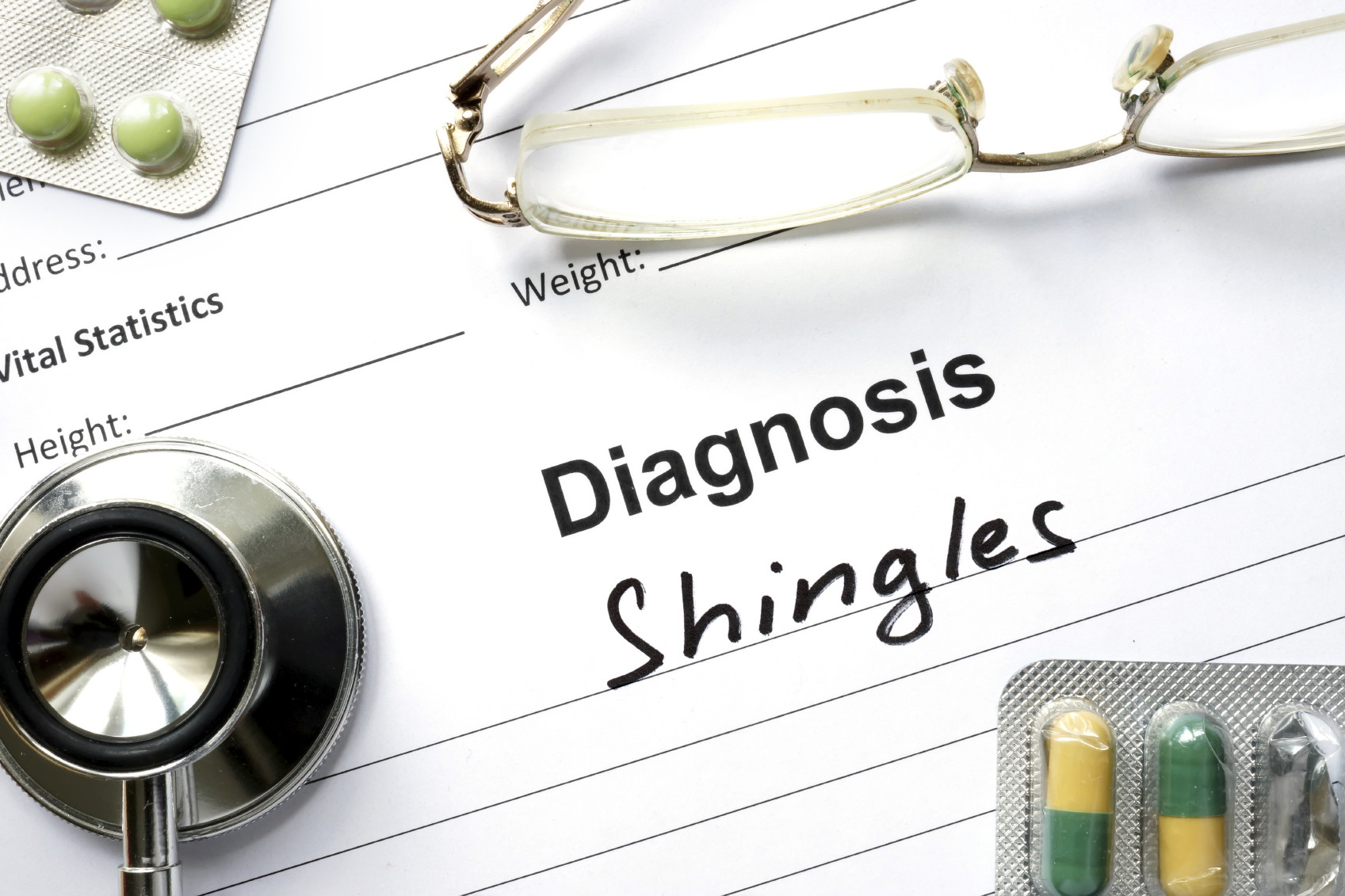
Don’t shrug off shingles
Shingles, an itchy and painful rash that occurs when the chickenpox virus reactivates in your body, shouldn’t be written off as just a nuisance. If it’s not treated promptly with an antiviral drug, it can cause a host of serious long-term complications. Fortunately, there’s a vaccine that can slash your risk of shingles by half, and another, even more effective one in the pipeline.
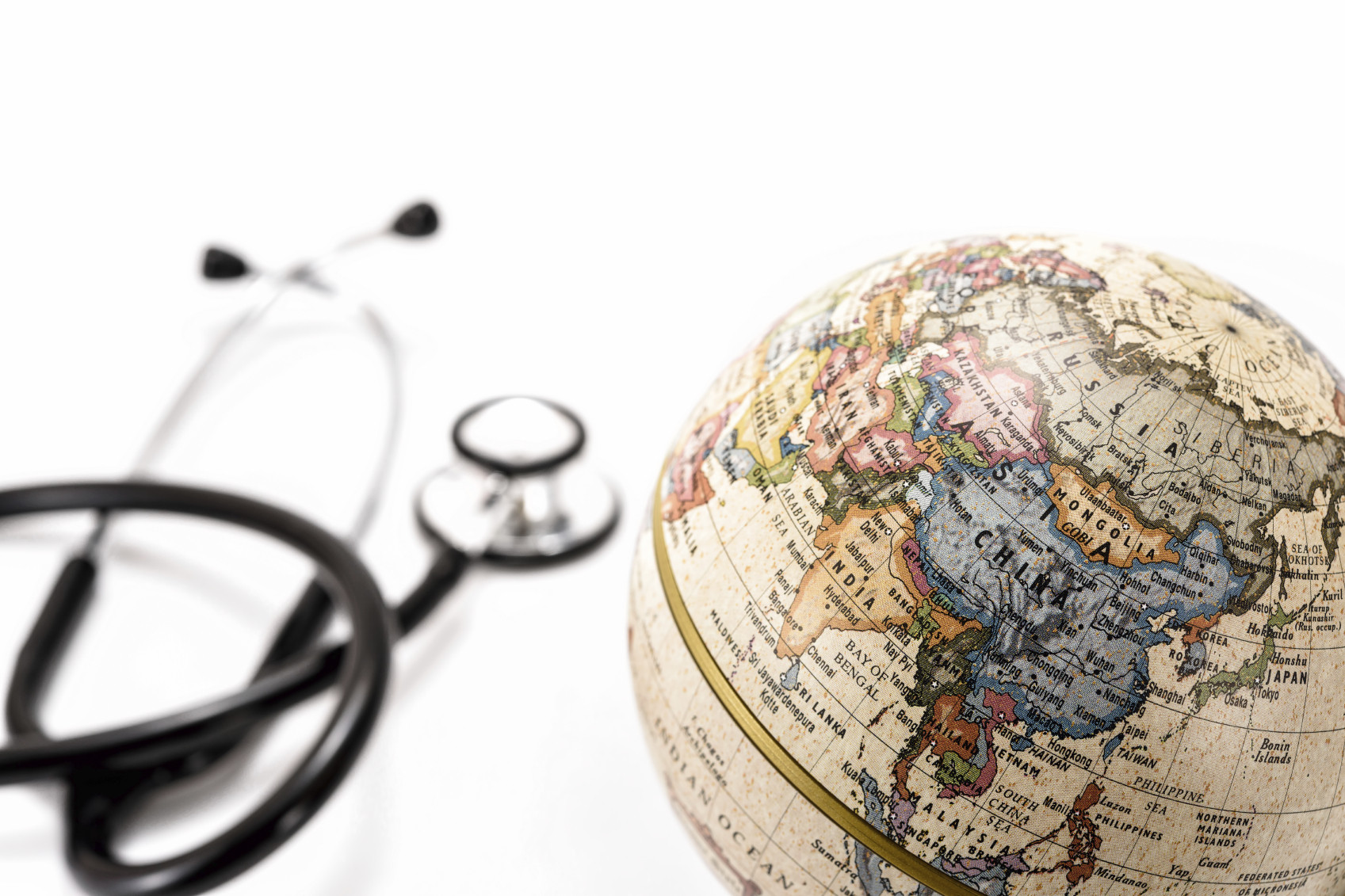
What the rise of Zika (and other viruses) might tell us about our planet
Zika, a virus that was almost unknown just a short time ago, is now certain to spread to almost every country in the Americas. But why have the U.S. and other countries become more vulnerable to the threat of exotic pathogens? There currently aren’t enough data to make any solid connections, but many experts agree that the rise of global trade and travel, climate change, and ecosystem changes are all major factors.
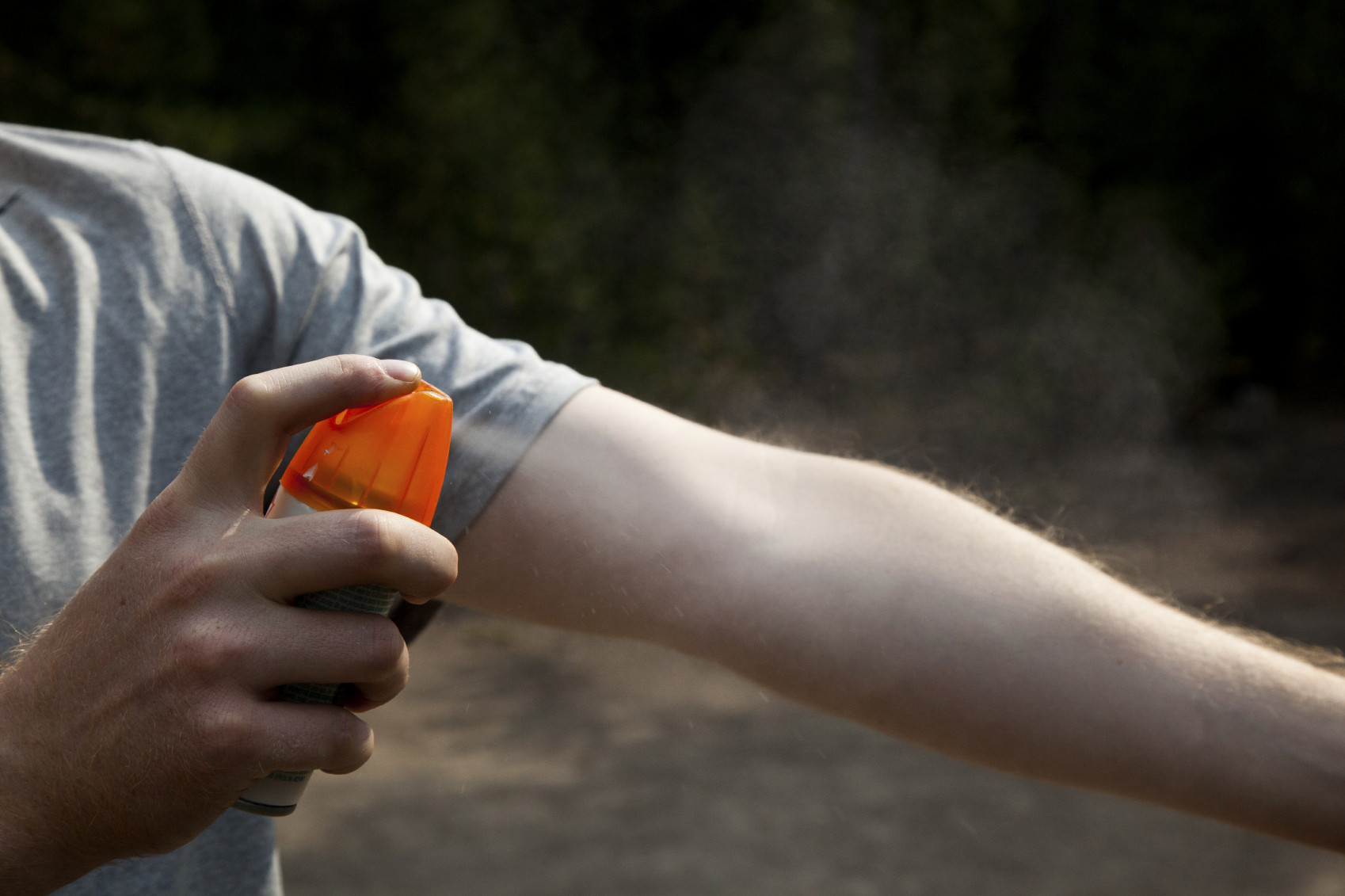
What you need to know about Zika virus
Zika, a formerly rare and obscure virus, has recently spread throughout the Pacific islands and the Americas. Although Zika virus rarely makes people seriously ill, it’s been implicated in a huge rise in the number of birth defects in babies born to mothers who’ve had Zika. Although its impact in the U.S. is expected to be much less severe than in warmer climates, we’ve listed some tips to reduce your exposure to the type of mosquito that carries Zika.

The changing landscape of heart disease and diabetes care
Image: Thinkstock
New guidelines and a novel diabetes drug point to new treatment approaches.
When it comes to the cardiovascular dangers from diabetes, the statistics are pretty disheartening: about two-thirds of people with type 2 diabetes ultimately die from heart disease or a stroke. But there's progress afoot. Recently updated guidelines and a novel diabetes drug with proven heart benefits offer promise for making a dent in that dire statistic. And in a nod to the importance of early detection, the U.S. Preventive Services Task Force recently recommended that adults ages 40 to 70 who are overweight be screened for diabetes (see "Diabetes screening tests").

“Not Again!” — When UTIs won’t quit at midlife
Urinary tract infections (UTIs) occur in women of all ages. Physical and hormonal changes can leave women at midlife particularly vulnerable. No woman should have to put up with the inconvenience and discomfort of recurrent UTIs. Self-help measures can be effective, but if they don’t do the trick, see your doctor. He or she can identify and treat any underlying problems and recommend other strategies to keep UTIs at bay.
Rising blood sugar: How to turn it around
| Image: Thinkstock |
Rising blood sugar signals a need for weight loss and more exercise.
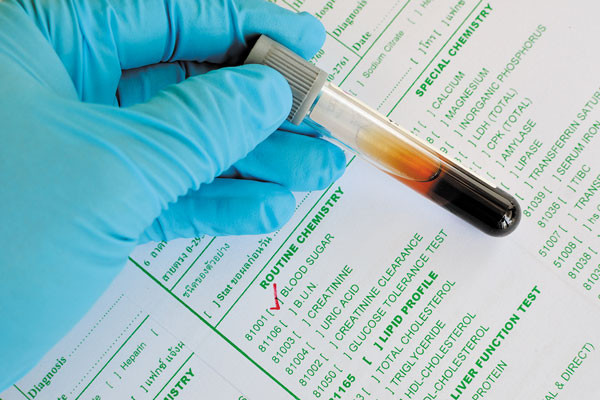
Whenever you have routine blood tests at a physical exam, chances are one of the numbers will be a measurement of your glucose, or blood sugar. A normal blood sugar level is less than 100 milligrams per deciliter of blood (mg/dL) after an eight-hour fast. You have diabetes if your blood sugar is 126 mg/dL or higher. But between those two numbers lie many opportunities for action.
CoQ10: Should you take this popular supplement if you're on a statin?
Microplastics: A hidden health threat?
Oat vs. dairy milk: Nutrition, benefits, and downsides
What is tempeh? Benefits, nutrition, and how to use it
Healing after food poisoning
Children of centenarians may stay healthier and live longer too, study finds
Light exposure at night may raise risk for heart disease
A lumbar belt may help ease low back pain
Whole grains may improve several heart risk factors at once
Signs of pneumonia: Sometimes vague and unexpected
Free Healthbeat Signup
Get the latest in health news delivered to your inbox!
Sign Up