

Signs of pneumonia: Sometimes vague and unexpected

Using a vibration plate: What it can — and can't — do for your body

The surprising link between ovarian cancer and the fallopian tubes

People who walk more or walk faster live longer, study finds

For sleep apnea, a dental device may be as effective as CPAP

Rosacea treatments: What works?

Carb cycling: What is it, and does it work?

Salmonella, E. coli, Cyclospora, and other germs that cause food poisoning: What you need to know

Melatonin or magnesium: Can either supplement help you sleep?

Understanding orthorexia: Have your healthy eating goals gone too far?
Surgical treatments and procedures Archive
Articles
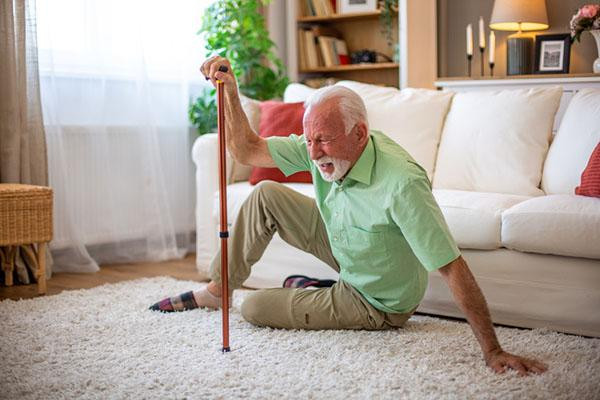
4 types of medication that may increase your chance of falling
Four classes of drugs commonly prescribed to older adults-opioids, benzodiazepines, gabapentinoids, and antidepressants-may be driving the dramatic rise in deadly falls over the past three decades. Known as fall risk-increasing drugs (FRIDs), these drug classes affect brain function and can make people feel sleepy, dizzy, or confused-all of which can leave them vulnerable to falling. People currently taking these drugs shouldn't stop taking them abruptly, as doing so may cause withdrawal symptoms. People should ask their primary care clinician to review all their medications at least once a year.
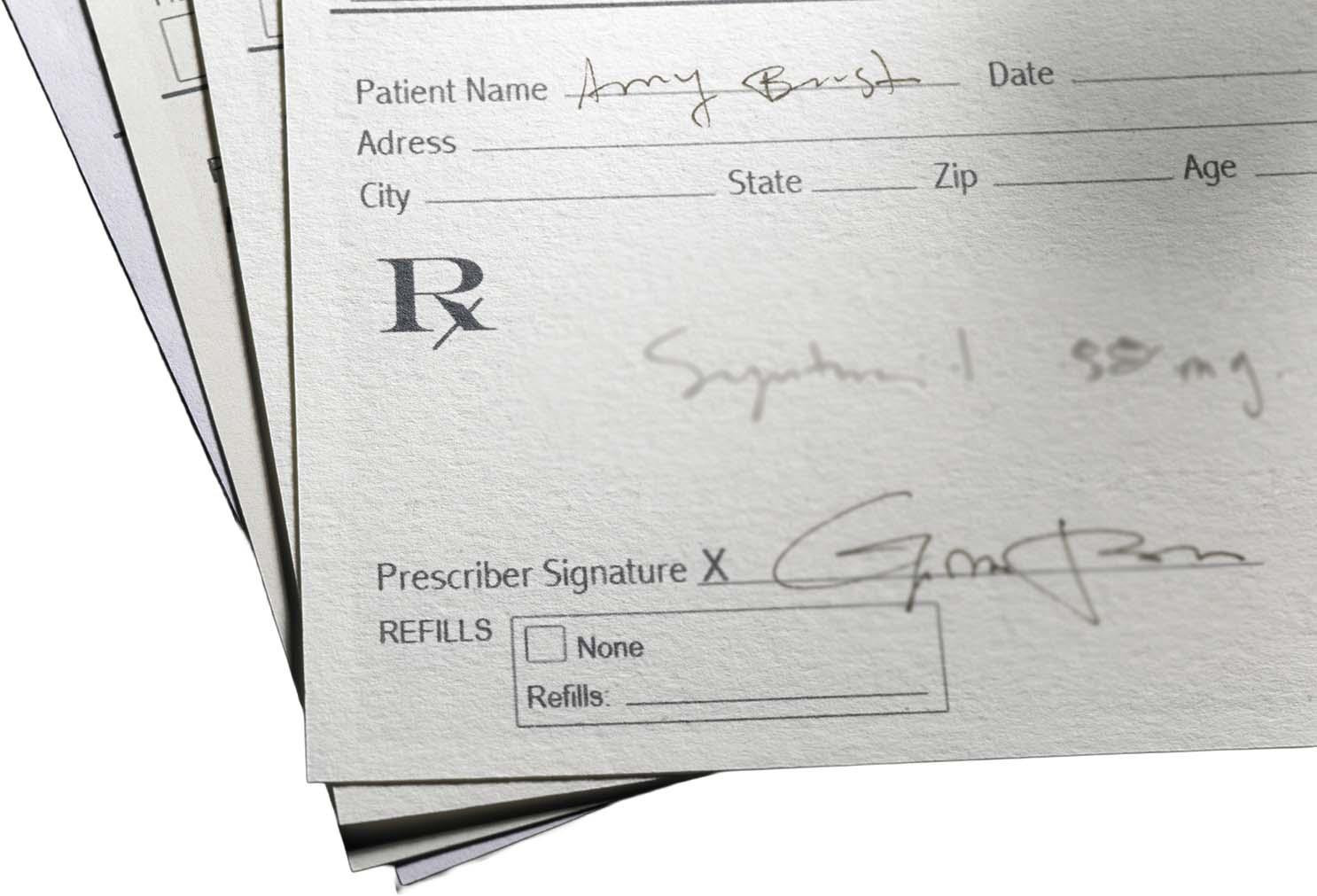
Urgent care clinics linked to unnecessary prescriptions
A 2025 study suggests that urgent care clinics frequently prescribe prescription medications inappropriately for conditions such as ear infections, bronchitis, sprains or strains, or digestive discomfort.

The complicated risks of simple cold remedies
Over-the-counter cold remedies can be helpful, but they must be carefully considered before use. They contain drugs that can cause serious side effects, interact with other medications, and worsen certain health conditions. For example, decongestants can help ease a stuffy nose but also can increase blood pressure and heart rate. And cough suppressants can help someone stop coughing, but taking too much can cause dizziness, confusion, or even changes in mood or thinking.

Can nicotine patches promote weight loss?
No evidence suggests that nicotine patches promote weight loss. Nicotine suppresses appetite but also raises health risks such as high blood pressure and narrowed arteries. People can talk to a doctor about medically supervised weight loss.

Try this: Light therapy
Light therapy uses light boxes that emit a bright, white light. Exposure to this light can control a person's circadian rhythm-the body's internal 24-hour sleep-wake clock-and help manage and prevent seasonal affective disorder.
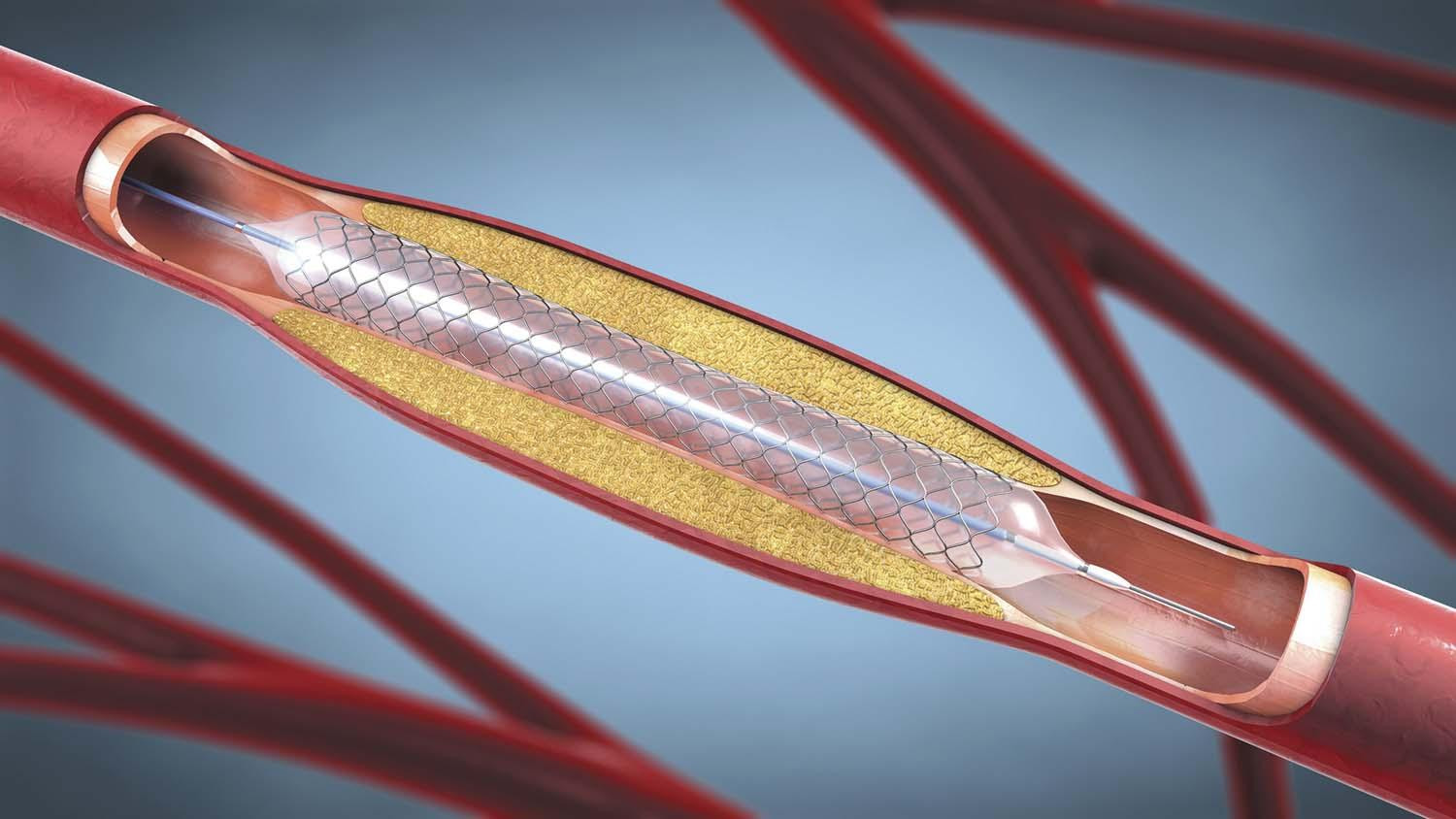
When do you really need an angioplasty and stenting?
Coronary artery disease, the most common form of heart disease, occurs when cholesterol-laden debris narrows the arteries that supply blood to the heart. It is treated with lifestyle changes and medications. However, sometimes people also need a procedure called angioplasty to open a blocked or narrowed artery to improve blood flow to the heart, along with insertion of a stent to hold it open. Most people need this if they experience a heart attack or unstable angina, when chest discomfort occurs repeatedly and unexpectedly, often at rest.

Surgery may have an edge over injections for carpal tunnel syndrome
A 2025 randomized trial of people with carpal tunnel syndrome found that 57% of those who had surgery as a first-line treatment recovered within 18 months, without additional treatments, compared with 13% of people who received steroid injections instead.
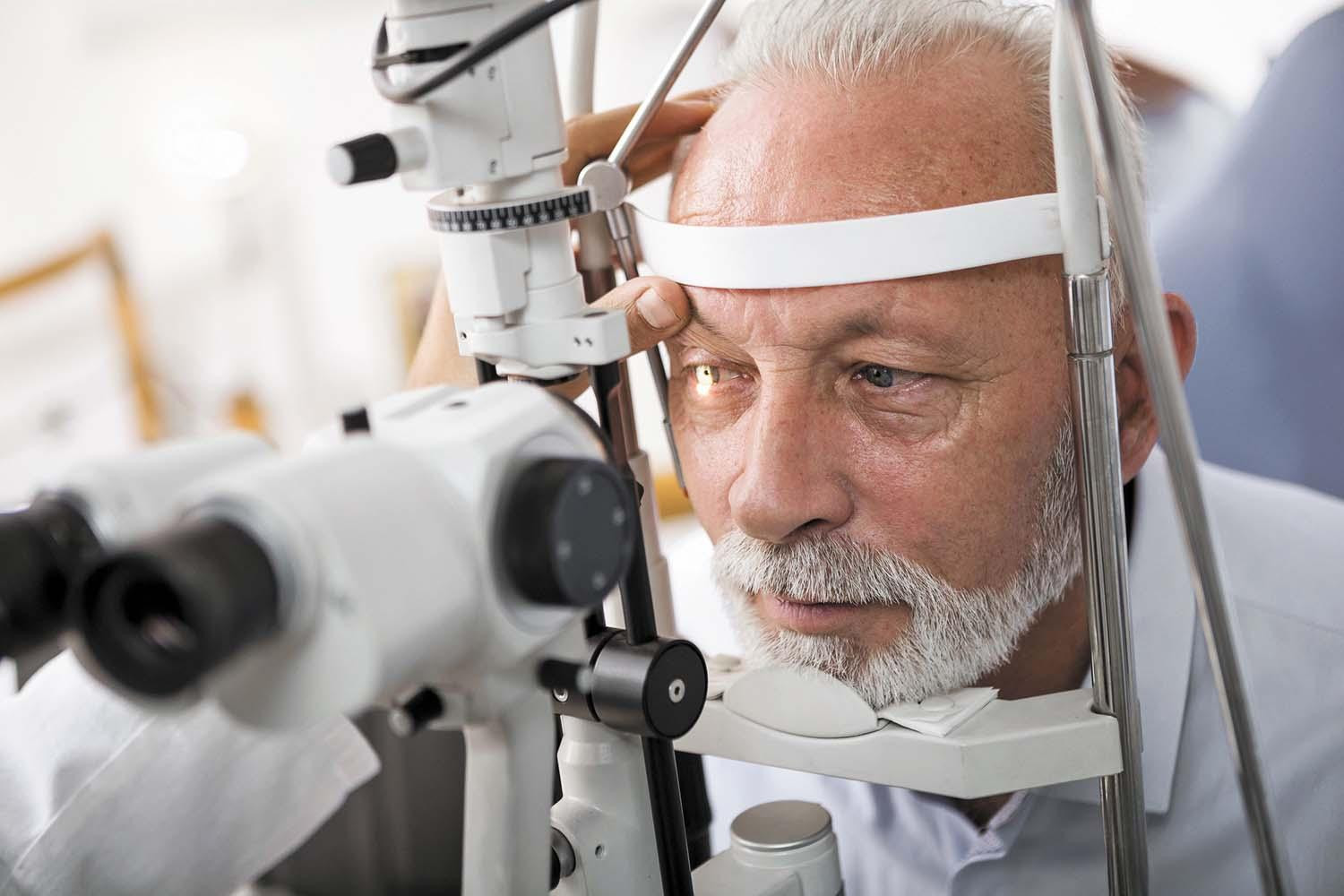
An emerging trend for cataract surgery
Same-day bilateral cataract surgery removes cataracts in both eyes in one surgical session, instead of two surgeries that are a few weeks apart. The approach has many benefits, such as convenience, but it has risks, too. Vision clarity might not be as good as it is when the procedures are done separately. Some doctors fear that vision loss (which is a low risk for any cataract surgery) could possibly occur in both eyes at the same time.
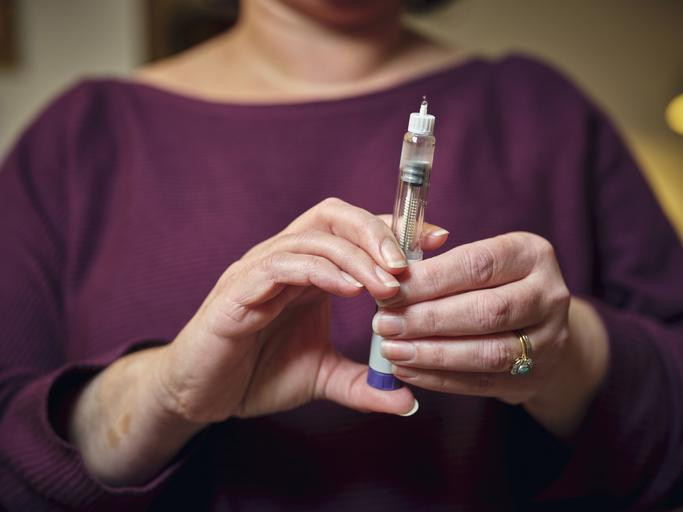
Do GLP-1 drugs reduce inflammation?
In a 2025 study of nearly a million people with diabetes, those who took GLP-1 drugs had a reduction of 10% to 20% in heart failure, cardiac arrest, lung failure and pneumonia, and dementia, compared with people who took other diabetes medications.

Peace of mind, or panic?
The vast majority of older adults would want to know if they're in the early stages of Alzheimer's disease and would want a blood test to learn for certain, according to a 2025 poll. Advances in testing and treatment may fuel this desire for knowledge. There are pros and cons to knowing this information. People with an early Alzheimer's diagnosis can plan ahead, seek support, and may feel motivated to maintain their health. But the diagnosis may jeopardize their job or insurance coverage, as well as trigger anxiety or depression.
Signs of pneumonia: Sometimes vague and unexpected
Using a vibration plate: What it can — and can't — do for your body
The surprising link between ovarian cancer and the fallopian tubes
People who walk more or walk faster live longer, study finds
For sleep apnea, a dental device may be as effective as CPAP
Rosacea treatments: What works?
Carb cycling: What is it, and does it work?
Salmonella, E. coli, Cyclospora, and other germs that cause food poisoning: What you need to know
Melatonin or magnesium: Can either supplement help you sleep?
Understanding orthorexia: Have your healthy eating goals gone too far?
Free Healthbeat Signup
Get the latest in health news delivered to your inbox!
Sign Up
