

Signs of pneumonia: Sometimes vague and unexpected

Using a vibration plate: What it can — and can't — do for your body

The surprising link between ovarian cancer and the fallopian tubes

People who walk more or walk faster live longer, study finds

For sleep apnea, a dental device may be as effective as CPAP

Rosacea treatments: What works?

Carb cycling: What is it, and does it work?

Salmonella, E. coli, Cyclospora, and other germs that cause food poisoning: What you need to know

Melatonin or magnesium: Can either supplement help you sleep?

Understanding orthorexia: Have your healthy eating goals gone too far?
Surgical treatments and procedures Archive
Articles

Ashwagandha: Benefits, side effects, and safety concerns
Ashwagandha is an herbal remedy that has long been used in traditional Indian medicine. In recent years, it’s also become popular in the United States. Proponents say it can help with stress and promote better sleep. However, we have only limited scientific evidence about ashwagandha, and it may not be safe for people with certain medical conditions.

Antiviral medications for winter bugs
Several factors increase the risk for complications from COVID-19 or influenza and should prompt someone to request an antiviral medication as soon as possible, even if they have been vaccinated or have had the infections before. The risk factors are age (being 65 or older), an impaired immune system, and underlying conditions (especially heart or lung disease). Pregnant women also are at increased risk for severe influenza and COVID, and should consider taking an antiviral.

Could your heartburn medicine interfere with Plavix?
A common heartburn treatment may interact with an important heart medicine. Find out what to watch for and which options doctors may consider instead.

Can levothyroxine-related insomnia go away after adjusting the dose?
People on levothyroxine sometimes notice trouble sleeping, raising concerns about how long it will persist and whether dose changes could improve rest.

How to save money on medication
Prescription drug prices have risen dramatically over the past three decades. People can save money on medications by exploring drug discount programs, buying in bulk, comparing pharmacy prices, checking out direct-to-consumer drug platforms, and comparing store brands.

PRP injection for knee osteoarthritis: Does it work?
Platelet-rich plasma (PRP) injections use concentrated platelets from your blood to treat mild to moderate knee osteoarthritis. Research and guidelines support the use of PRP injections when pain and other symptoms persist despite exercise, physical therapy, and use of pain medications.

BPH treatment options when drugs are not enough
When medications and lifestyle changes no longer control symptoms of an enlarged prostate, a range of surgical and minimally invasive procedures can restore urine flow. Each option offers different trade-offs in side effects, recovery, and duration of relief.

Peptides: What they are, potential benefits, and safety concerns
Peptides are the building blocks of proteins that play key roles for health. But the benefits and risks of supplementing with injectable peptides, which are popular on social media, are largely unknown.
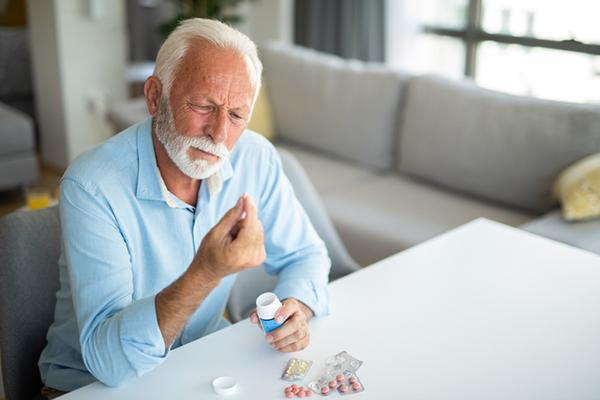
Do you still need your thyroid medication?
Diagnosing hypothyroidism can be tricky because typical symptoms (such as fatigue and trouble losing weight) have many other possible causes. Some people treated for hypothyroidism may be able to safely stop treatment with close medical monitoring.

Which medicines and supplements can interact with Crestor?
Crestor can be affected by common drugs, from antacids to blood thinners and antivirals. See which medicines and vitamins need extra caution.
Signs of pneumonia: Sometimes vague and unexpected
Using a vibration plate: What it can — and can't — do for your body
The surprising link between ovarian cancer and the fallopian tubes
People who walk more or walk faster live longer, study finds
For sleep apnea, a dental device may be as effective as CPAP
Rosacea treatments: What works?
Carb cycling: What is it, and does it work?
Salmonella, E. coli, Cyclospora, and other germs that cause food poisoning: What you need to know
Melatonin or magnesium: Can either supplement help you sleep?
Understanding orthorexia: Have your healthy eating goals gone too far?
Free Healthbeat Signup
Get the latest in health news delivered to your inbox!
Sign Up
