

Signs of pneumonia: Sometimes vague and unexpected

Using a vibration plate: What it can — and can't — do for your body

The surprising link between ovarian cancer and the fallopian tubes

People who walk more or walk faster live longer, study finds

For sleep apnea, a dental device may be as effective as CPAP

Rosacea treatments: What works?

Carb cycling: What is it, and does it work?

Salmonella, E. coli, Cyclospora, and other germs that cause food poisoning: What you need to know

Melatonin or magnesium: Can either supplement help you sleep?

Understanding orthorexia: Have your healthy eating goals gone too far?
Surgical treatments and procedures Archive
Articles

Weaning off a GLP-1? Tips for the transition
Research suggests that people who stop taking GLP-1 weight-loss drugs typically regain all the weight they lost in under two years. To sustain their progress, these people should eat more protein, fiber, and healthy fats; eat on a consistent schedule; exercise; and prioritize sleep.
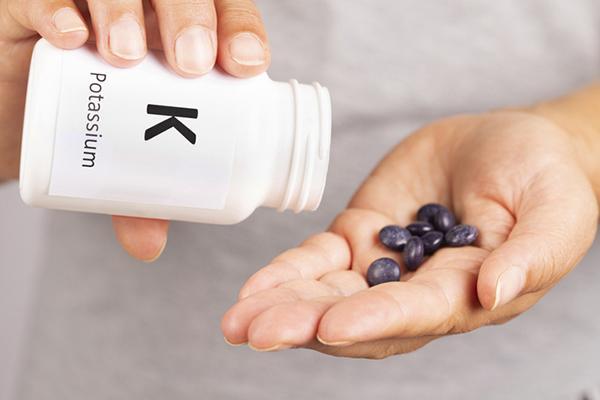
Do I need to take a potassium supplement if I am on a diuretic?
Certain diuretics flush out both water and potassium, but not everyone needs extra. Your doctor will consider blood test results and which other medications you're taking to determine the safest approach.
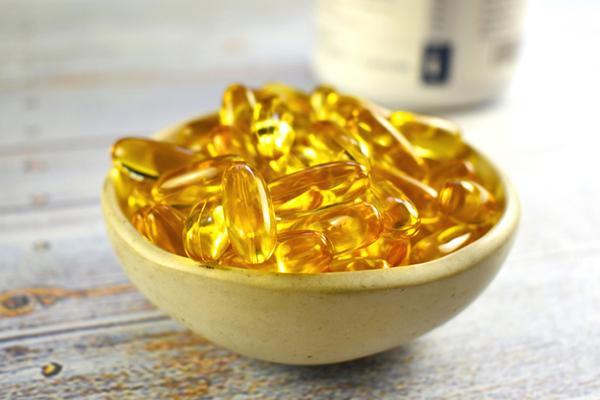
Is a high-dose vitamin D regimen safe?
Very low vitamin D levels may prompt your doctor to prescribe a short regimen of high-dose vitamin D pills before switching to a lower daily dose. See how this approach boosts stores safely.

Can you safely taper off a proton pump inhibitor if reflux symptoms improve?
Proton pump inhibitors can calm severe reflux and heal the esophagus, but long-term use raises questions about when and how to cut back safely.

Is it safe to get the flu shot while taking certain asthma medications?
Learn how certain asthma medication affect your choices for the flu shot.
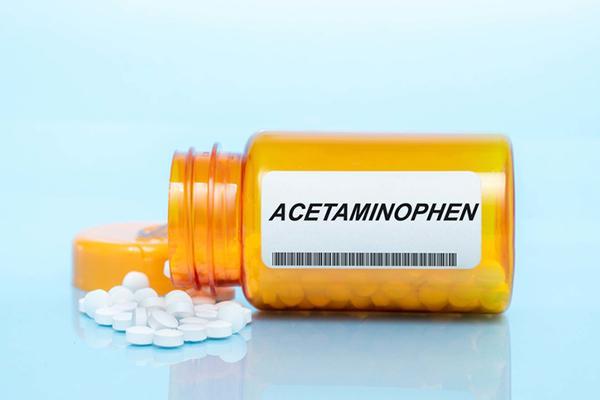
What are the effects of acetaminophen on the liver?
Widely trusted for pain and fever, acetaminophen can still harm the liver in high doses. Learn who’s most at risk and how to use it safely.

Can I replace potassium pills with potassium-rich food if I am taking a diuretic?
Diuretics can drain your body of potassium, but pills aren't the only source. Learn whether food swaps are safe and why lab monitoring still matters.
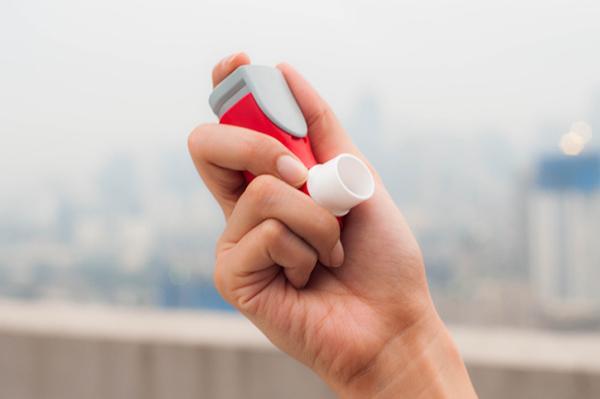
Can steroid asthma inhalers increase blood sugar?
Inhaled corticosteroids mostly act in the lungs, but some enter the bloodstream. Learn when they might nudge glucose higher and how doctors adjust care.
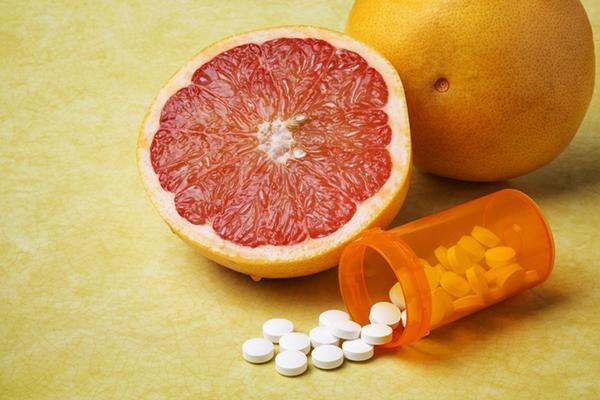
Do I need to avoid grapefruit if I am on a statin?
A favorite citrus fruit can unexpectedly boost statin levels in your bloodstream. Learn why this happens and what it may mean for your prescription.
Will lithium supplements be used to fight Alzheimer's one day?
A 2025 study suggests that very low levels of lithium in the brain might be linked to Alzheimer's disease. In mice, certain lithium supplements seemed to protect memory and the brain. But scientists don't yet know if lithium pills are safe or helpful for people.
Signs of pneumonia: Sometimes vague and unexpected
Using a vibration plate: What it can — and can't — do for your body
The surprising link between ovarian cancer and the fallopian tubes
People who walk more or walk faster live longer, study finds
For sleep apnea, a dental device may be as effective as CPAP
Rosacea treatments: What works?
Carb cycling: What is it, and does it work?
Salmonella, E. coli, Cyclospora, and other germs that cause food poisoning: What you need to know
Melatonin or magnesium: Can either supplement help you sleep?
Understanding orthorexia: Have your healthy eating goals gone too far?
Free Healthbeat Signup
Get the latest in health news delivered to your inbox!
Sign Up
