Will lithium supplements be used to fight Alzheimer's one day?
Ask the doctor
- Reviewed by Robert H. Shmerling, MD, Senior Faculty Editor, Harvard Health Publishing; Editorial Advisory Board Member, Harvard Health Publishing
 Q.
I've heard that low levels of lithium in the brain might raise Alzheimer's risk. Would a supplement help?
Q.
I've heard that low levels of lithium in the brain might raise Alzheimer's risk. Would a supplement help?
A. We don't have solid evidence that adjusting levels of lithium - a naturally occurring metal in the brain - would ward off Alzheimer's disease (AD).
Lithium made headlines in 2025 when a Harvard study published in the journal Nature suggested for the first time that lithium plays an essential role in normal brain function, and that low levels might be a key AD trigger. The potential link was supported by several of the study's findings, including the following:
Study participants who died with AD or mild cognitive decline (an AD predictor) had a reduced amount of lithium in a part of the brain prominently affected by AD. Of 27 metals studied, only lithium was reduced.
Lithium was "trapped" by amyloid plaques, the collections of abnormal protein typically found in the brains of people with AD. This might explain why people with AD had less lithium in certain brain areas.
Among mice with a brain disease similar to human AD, reducing dietary lithium led to more amyloid plaques, other brain changes typical of AD, and increased cognitive impairment. Lithium treatment appeared to prevent memory loss and brain changes in aging mice and in mice with AD-like disease.
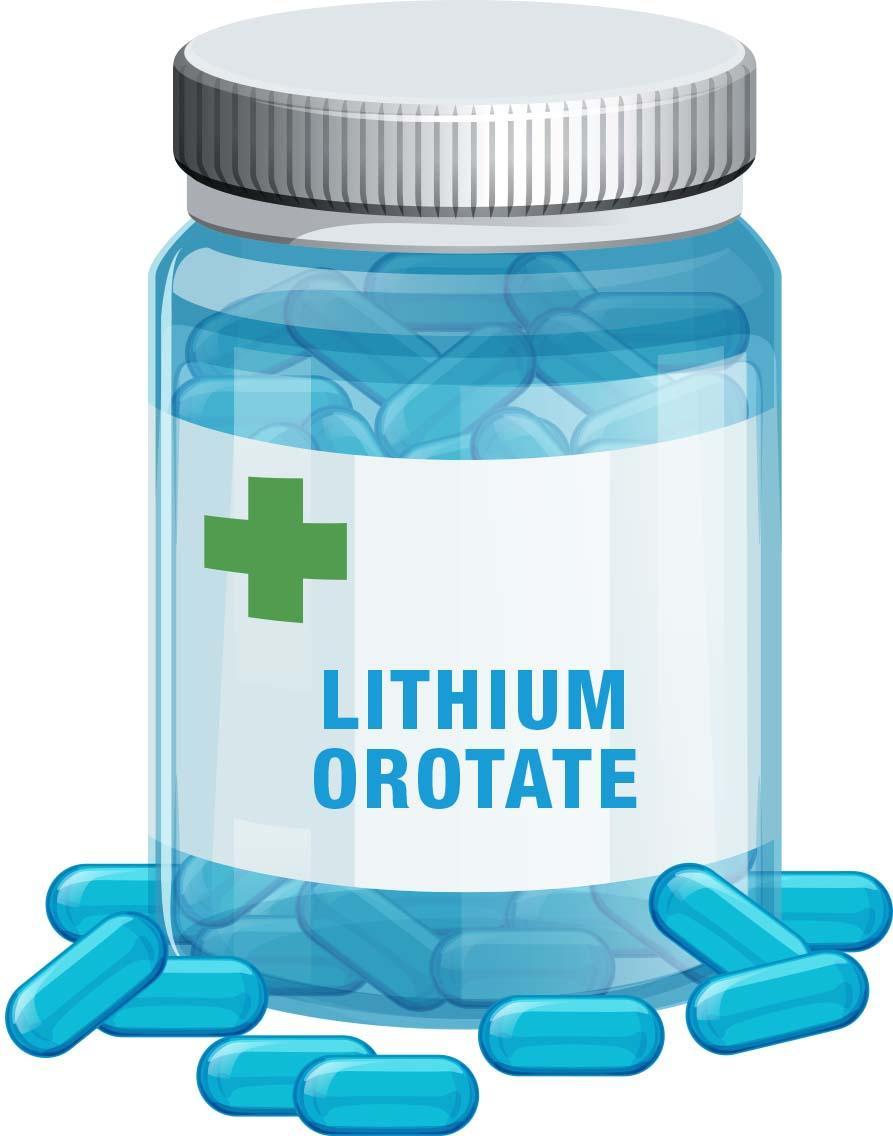
Of note, the mice in this study received a type of lithium (lithium orotate) that evades "binding" by amyloid plaque. It's not currently approved to prevent or treat any human disease, but is available over-the-counter as a health supplement (marketed for mood support, stress management, and other conditions). It's not the same as lithium carbonate or citrate currently approved and available for the treatment of bipolar disorder. Human trials of lithium treatment are essential before firm conclusions can be drawn about its potential to prevent or treat AD. Until then, it's unclear whether these findings represent the AD breakthrough we're all hoping to see.
Image: © blueringmedia/Getty Images
About the Reviewer

Robert H. Shmerling, MD, Senior Faculty Editor, Harvard Health Publishing; Editorial Advisory Board Member, Harvard Health Publishing
Disclaimer:
As a service to our readers, Harvard Health Publishing provides access to our library of archived content. Please note the date of last review or update on all articles.
No content on this site, regardless of date, should ever be used as a substitute for direct medical advice from your doctor or other qualified clinician.