

Naturally gluten-free foods

Harvard study: Healthier fats linked to longer life after prostate cancer diagnosis

Shingrix shingles vaccine linked with lower heart disease risks

Estrogen-only hormone therapy tied to lower dementia risk

Should you have a hysterectomy?

Stair climbing may significantly lower cardiovascular risks

Why do I sweat so much?

Walking pneumonia: The "mild" illness that can still pack a punch

What causes knee pain: How doctors make a diagnosis

Where you carry excess weight matters in predicting heart disease risk
Sexually transmitted infections (STIs) Archive
Articles

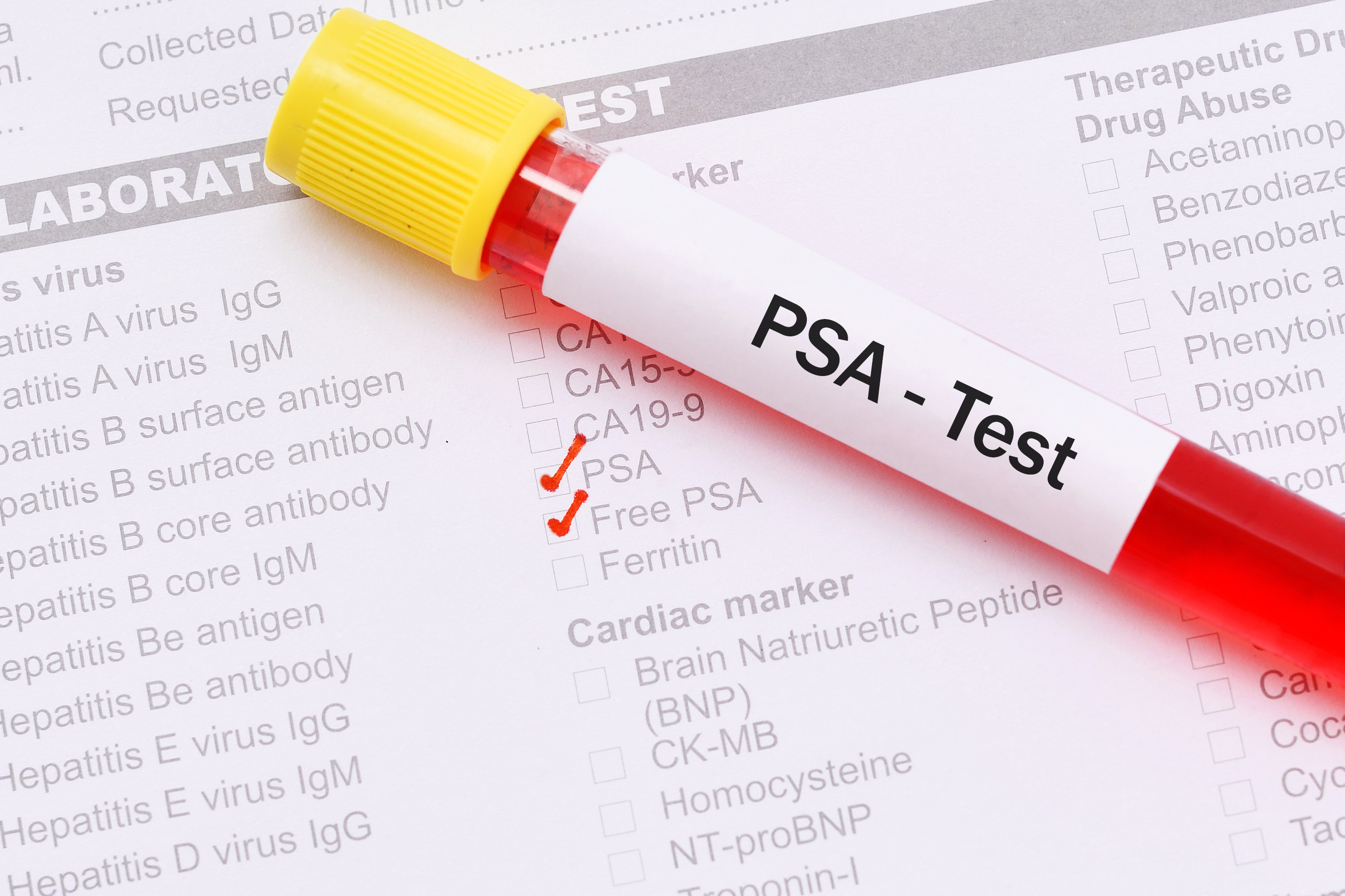
To PSA test or not to PSA test: That is the discussion
The recommended guidelines for whether men should have the prostate cancer screening test have changed in recent years. A man considering the test should talk with his doctor and understand all the pros and cons involved.

For men over 50: You can lower your health risks
What if men approached their health at midlife the same way that financial experts advise them to plan for retirement? Some of the same rules apply: take a close look at where things stand now, and then take steps to protect your future. Midlife is a good time to lower health risks and invest for long-term health benefits.
How? First, acknowledge what you can't control. Then put your energies into changing what you can — for the better.
Short-term estrogen use doesn’t protect against dementia, study indicates
Research we're watching
Although hormone therapy was once thought to help preserve cognitive function after menopause, there is mounting evidence to the contrary, including a recent report from the Kuopio Osteoporosis Risk Factor and Prevention Study.
Researchers in that project sent questionnaires to all women ages 47 to 56 who lived in the Finnish province of Kuopio in 1987. The women completed questionnaires every five years, providing information about their lifestyles, medication use, and illnesses. The researchers checked the information in the questionnaires against prescription registries and medical records up to 2009.
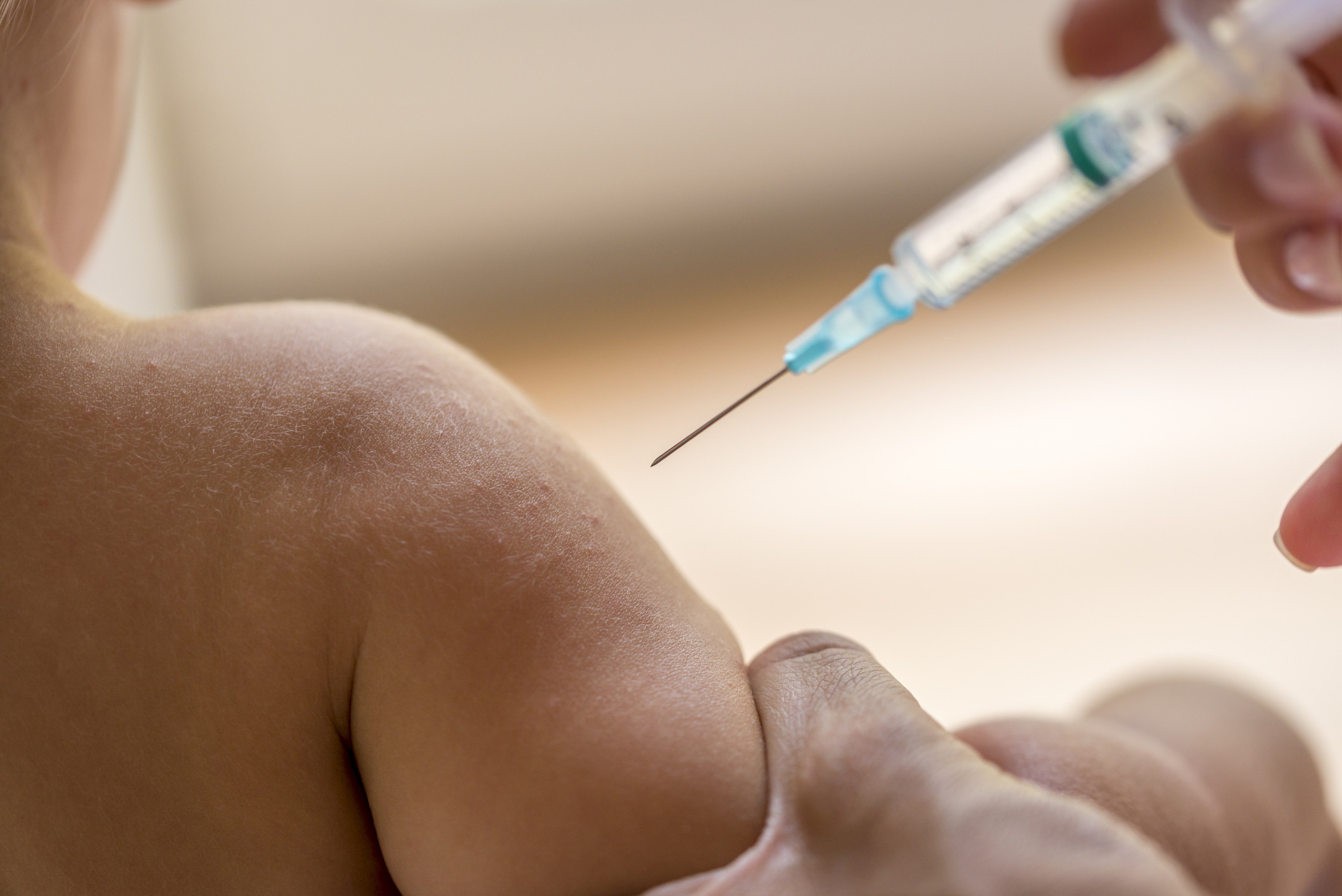
Why vaccines are important for our country’s financial health, too
Vaccinating babies and toddlers prevents many illnesses, but it also helps the avoid high costs associated with treating those illnesses, helps reduce sick time taken by parents, and contributes to greater immunity in a population.

Binge drinking continues to rise — particularly among women and seniors
Data from several surveys indicate that the percentage of women who drink has been increasing for decades. The numerous health effects associated with alcohol consumption mean that women should be especially attentive to how much they drink.

H. pylori, a true stomach “bug”: Who should doctors test and treat?
A stomach infection of H. pylori bacteria can cause ulcers, but not everyone with the infection shows symptoms and the treatment process can be challenging, so only people with certain conditions need to be tested for it.

The flu shot saves children’s lives
Even though this year’s flu season is just about over, parents should be thinking about protecting their children next winter. Despite short-term reactions in some people, the flu shot is safe for nearly everyone.
Can implantable hormone pellets prevent bone loss?
Ask the doctor
Q. I've heard that bioidentical hormone pellets injected near the hip are more effective than bone-building drugs in stopping bone loss and preventing hip fracture. Is this true?
A. The FDA hasn't approved hormone pellets for preventing or treating bone loss. Moreover, there are no randomized controlled trials on record, so we don't know whether hormone pellets are more effective — or even as effective — as the FDA-approved medical therapies. Finally, there aren't any published reports explaining how the hormones are metabolized in the body or the side effects they may have.

How to soothe hemorrhoids
Hemorrhoids won't go away, but some simple measures can help to prevent and ease flare-ups.
Image: © Wavebreakmedia/Thinkstock
By some estimates, about half of people over age 50 have hemorrhoids — swollen blood vessels on the outer rectum and anus. Women are more likely than men to develop hemorrhoids, probably because hemorrhoids commonly occur during pregnancy. However, they are less likely to seek medical treatment for them.
Not all hemorrhoids cause problems. One study of people undergoing colonoscopy found that more than half of people whose tests revealed hemorrhoids were unaware that they had them. However, when hemorrhoids become inflamed, they can make bowel movements — and even sitting — quite painful.
Naturally gluten-free foods
Harvard study: Healthier fats linked to longer life after prostate cancer diagnosis
Shingrix shingles vaccine linked with lower heart disease risks
Estrogen-only hormone therapy tied to lower dementia risk
Should you have a hysterectomy?
Stair climbing may significantly lower cardiovascular risks
Why do I sweat so much?
Walking pneumonia: The "mild" illness that can still pack a punch
What causes knee pain: How doctors make a diagnosis
Where you carry excess weight matters in predicting heart disease risk
Free Healthbeat Signup
Get the latest in health news delivered to your inbox!
Sign Up
