

Naturally gluten-free foods

Harvard study: Healthier fats linked to longer life after prostate cancer diagnosis

Shingrix shingles vaccine linked with lower heart disease risks

Estrogen-only hormone therapy tied to lower dementia risk

Should you have a hysterectomy?

Stair climbing may significantly lower cardiovascular risks

Why do I sweat so much?

Walking pneumonia: The "mild" illness that can still pack a punch

What causes knee pain: How doctors make a diagnosis

Where you carry excess weight matters in predicting heart disease risk
Sexually transmitted infections (STIs) Archive
Articles

Charles Darwin, Chagas’ disease, and the killer kissing bugs of California
An insect known as the kissing bug has the ability to pass along Chagas’ disease to unsuspecting people. While it affects more people in Latin America than in this country, this parasitic disease can still be a problem in the southwestern United States. Most cases of Chagas’ disease pass without much incidence, but it can cause lasting problems. The rates of Chagas’ disease could go up with climate change, and more research is definitely needed. Charles Darwin may be one of the first “researchers” on the subject, but he’s not to be the last.
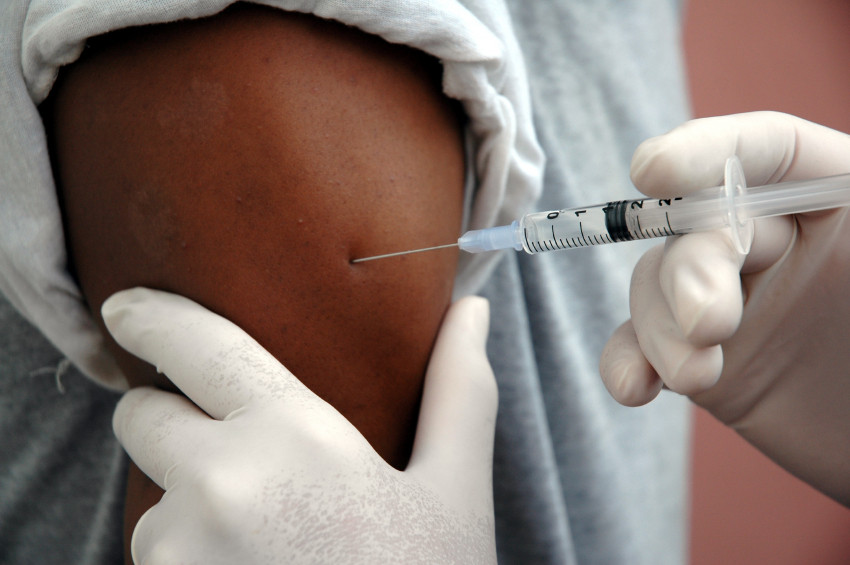
2017 update to the immunization schedule for kids
The CDC and the AAP update their vaccine recommendations every year, and here are the latest changes. These updates show just how important it is to stay on top of research and help increase the effectiveness of each vaccine. The schedule for routine immunizations and catching up kids who get behind can be found on the CDC and AAP websites if you’d like more information.

Emergencies and First Aid - How to Splint a Fracture
How to Splint a Fracture
For a lower arm or wrist fracture (left), carefully place a folded newspaper, magazine, or heavy piece of clothing under the arm. Tie it in place with pieces of cloth. A lower leg or ankle fracture (right) can be splinted similarly, with a bulky garment or blanket wrapped and secured around the limb. A person with a hip or pelvis fracture should not be moved. If the person must be moved, the legs should be strapped together (with a towel or blanket in between them) and the person gently placed on a board, as for a back injury. | |

Emergencies and First Aid - Heimlich Maneuver on an Adult
Heimlich Maneuver on an Adult
| ||||

Emergencies and First Aid - Heimlich Maneuver on a Child
Heimlich Maneuver on a Child
| ||

Emergencies and First Aid - Heimlich Maneuver on an Infant
Heimlich Maneuver on an Infant
| ||||

Do not get sold on drug advertising
Prescription drug ads are a multibillion-dollar industry that promotes treatments you may or may not need. Here's how to use that information to your advantage.
Ads for prescription drugs are everywhere. You can't watch a sporting event without seeing an ad touting a treatment for erectile dysfunction, high cholesterol, high blood pressure, or joint pain.
Drug marketing is a big business, and companies are willing to spend a lot of money to offer you an easy solution to a health problem you may or may not have. From 2012 to 2015, yearly spending on prescription drug advertising in all media outlets (except digital) rose from $3.2 billion to $5.2 billion, and that figure is expected to only go up.
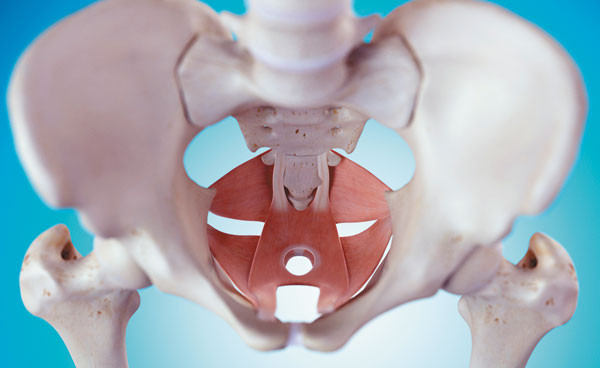
Kegels: Not for women only
Women use kegels to strengthen their pelvic floor muscles, but men may also benefit from doing these exercises.
Image: © Eraxion /Thinkstock
Kegel exercises to strengthen pelvic floor muscles have long been seen as just for women, but they may be a way for men to address some common unpleasant issues as they age.
"Men also can have issues with these muscles, which can cause urinary leakage, bowel trouble, and even erection problems," says physical therapist Celia Brunette, with Harvard-affiliated Spaulding Rehabilitation Center.

Help with online health
Frustrated by medical and health care websites? New research suggests seniors don't use this health technology like they should, but it may not be their fault.
Image: © BananaStock/Thinkstock
It's said that you can find just about anything on the Internet. Yet when it comes to finding information about health, many seniors are at a loss.
"Few seniors are using digital health technology," says Dr. David Levine, of Harvard-affiliated Brigham and Women's Hospital, who specializes in medical technology information.

Possible link between shoulder problems and heart disease risk
Shoulder pain appears to be associated with risk factors for heart disease. Researchers found that people with the most heart disease risk factors, like high cholesterol, high blood pressure, and diabetes, were almost five times more likely to also have shoulder trouble.
Naturally gluten-free foods
Harvard study: Healthier fats linked to longer life after prostate cancer diagnosis
Shingrix shingles vaccine linked with lower heart disease risks
Estrogen-only hormone therapy tied to lower dementia risk
Should you have a hysterectomy?
Stair climbing may significantly lower cardiovascular risks
Why do I sweat so much?
Walking pneumonia: The "mild" illness that can still pack a punch
What causes knee pain: How doctors make a diagnosis
Where you carry excess weight matters in predicting heart disease risk
Free Healthbeat Signup
Get the latest in health news delivered to your inbox!
Sign Up
