

Naturally gluten-free foods

Harvard study: Healthier fats linked to longer life after prostate cancer diagnosis

Shingrix shingles vaccine linked with lower heart disease risks

Estrogen-only hormone therapy tied to lower dementia risk
Should you have a hysterectomy?

Stair climbing may significantly lower cardiovascular risks

Why do I sweat so much?

Walking pneumonia: The "mild" illness that can still pack a punch

What causes knee pain: How doctors make a diagnosis
Where you carry excess weight matters in predicting heart disease risk
Sexually transmitted infections (STIs) Archive
Articles

Combination hormonal therapy boosts survival in men with aggressive prostate cancer
Charlie Schmidt A standard approach for treating aggressive prostate cancer is to give therapies that block testosterone, a tumor-stimulating hormone. Should initial hormonal therapies fail, doctors can switch to other drugs that suppress testosterone in different ways. One of them, a drug called abiraterone, has been shown to significantly extend lifespans in men who have […]
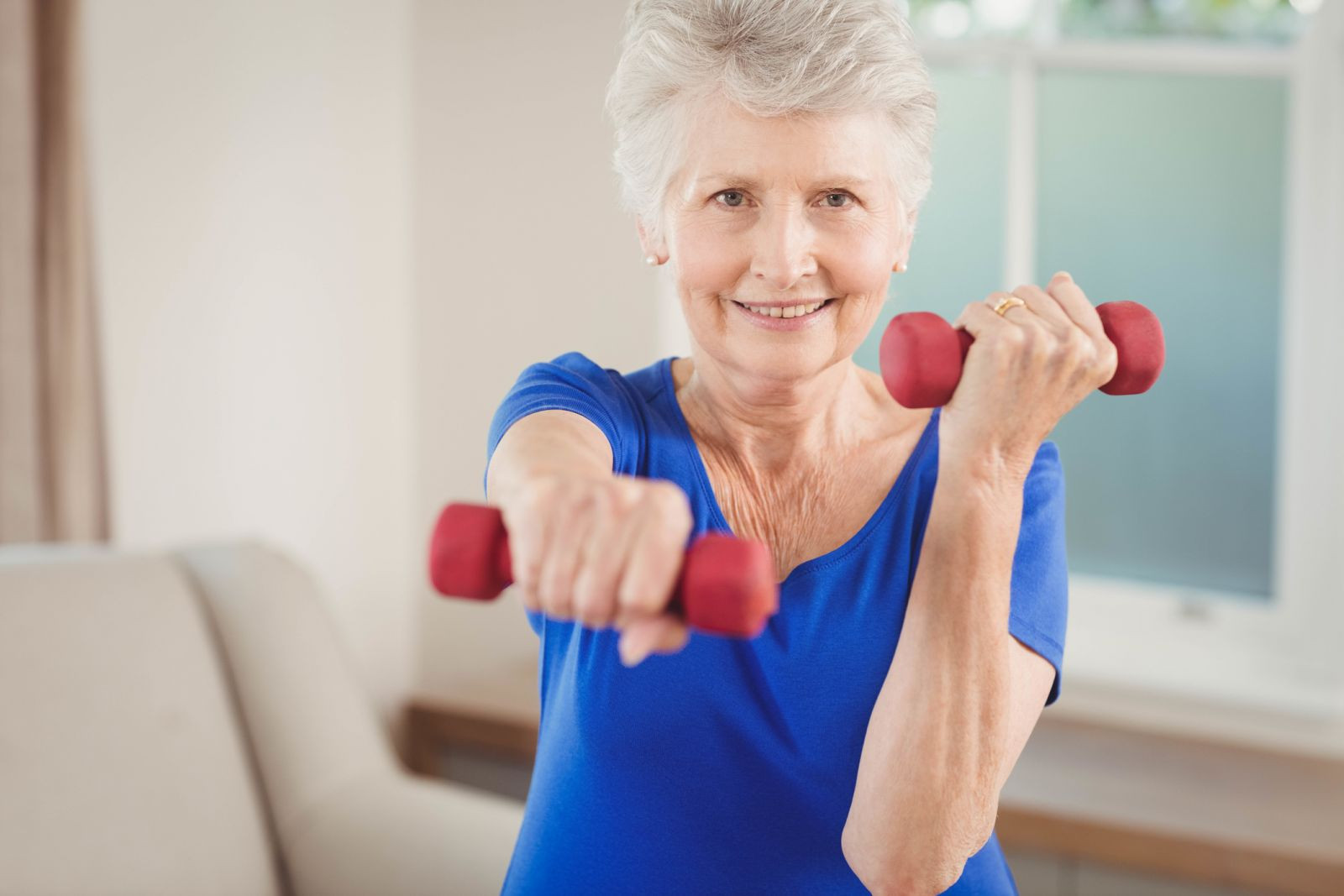
Getting a start on growing stronger
Building strength and power is key to healthy aging, both physically and mentally. It may be easier than you think.
We probably don't need to remind you that your body changes with age. Age-related muscle loss begins at around age 35 and progresses slowly — at about 1% per year. But after about age 60, muscle loses mass more rapidly, so that adults who don't do regular strength training may lose 4 to 6 pounds of muscle per decade. Moreover, the lost muscle is usually replaced by fat.
Studies show that strength training not only can slow muscle loss, it can also help prevent or control conditions as varied as heart disease, diabetes, arthritis, and osteoporosis. And recent research indicates that it can also improve cognitive function, especially when added to aerobic exercise. As we age, strength training helps to preserve mobility and reduce the risk of falling. "What has been shown is that if you're looking at mobility problems, the most beneficial exercises that are those that focus on progressive training for strength and power," says Dr. Jonathan Bean, an associate professor of physical medicine and rehabilitation at Harvard Medical School.
Influential task force revises its position on PSA screening tests
Charlie Schmidt In 2012, the US Preventive Services Task Force (USPSTF) took the unprecedented step of recommending against prostate cancer screening for all men, regardless of age, race, or family history. Now this influential group of independent experts is reassessing its position based on more recent data. Instead of discouraging screening altogether, the UPSTF is […]

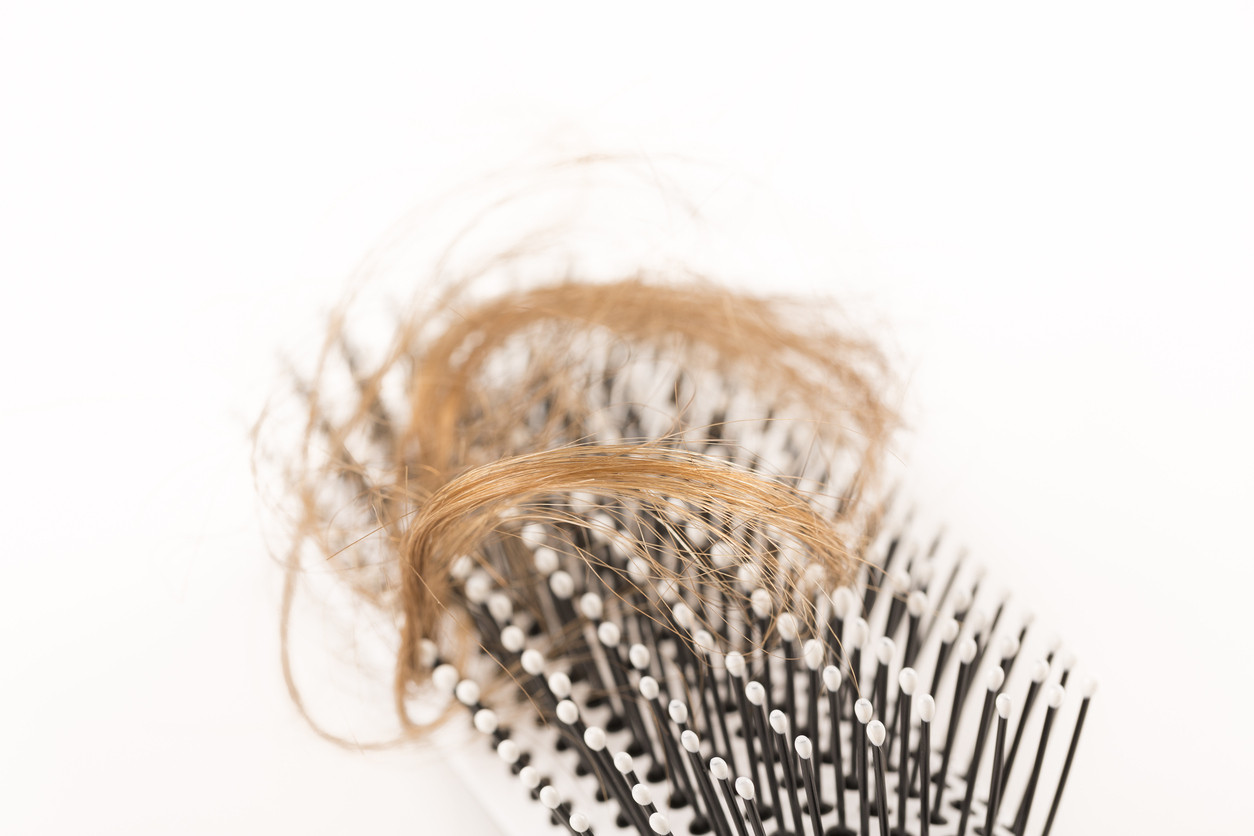
Why do I lose a lot of hair each fall?
Ask the doctors
Q. I have fairly thick hair in the summer, but it seems to thin out in late fall. Is there anything I can do now to prevent losing hair in a few months?
A. Sadly, no. What you've experienced is common to all of us. On average, about 90% of the hairs on our heads are in the growing phase and about 10% are in the resting phase. After a few months in the resting phase, the hairs are shed. It's normal to shed up to 100 hairs a day.

Should you have an annual pelvic exam?
By Hope Ricciotti, M.D., Editor in Chief
If you've come to expect a pelvic exam as a routine part of your annual well-woman physical, you may be surprised to learn that health experts disagree over whether it is necessary. The exam — in which the clinician inserts gloved fingers into the vagina to examine the cervix, uterus, and ovaries — has been routine for decades, but recently its benefits have been called into question.
In 2014 the American College of Physicians — an influential group of internal medicine specialists — issued a recommendation against routine pelvic examinations for women who aren't pregnant and have no unusual risk for or symptoms of pelvic diseases. However, the American College of Obstetricians and Gynecologists (ACOG) has stood by its longstanding policy recommendation — annual pelvic exams for women ages 21 and older — based on expert opinion. In March 2017, the U.S. Preventive Services Task Force — the pre-eminent medical guidelines organization — ruled that there is insufficient evidence to recommend either for or against annual screenings.
Drinking — and binge drinking — growing more common among older women
Research we're watching
A new study from researchers at the National Institutes of Health indicates that the rate of drinking in general, and binge drinking in particular, is rising faster among women ages 60 or older than among their male contemporaries. When the researchers analyzed data from National Health Interview Surveys from 1997 through 2014, they found that the proportion of older women drinkers increased at a rate of 1.6% a year, compared with 0.7% for older men. Binge drinking — defined as imbibing four or more drinks within two hours — increased by 3.7% annually among older women, but held steady among older men. The results were reported online March 24, 2017, by Alcoholism: Clinical and Experimental Research.
The researchers speculated that baby boomers, who tended to drink more than earlier generations did in youth, have continued their habits as they've aged. Whatever the reason, the trend doesn't bode well for older women's health. Because of biological differences, at any level of alcohol consumption, women have a higher blood alcohol concentration than men, putting them at greater risk of cognitive impairment and falls. It's a good idea to limit alcohol consumption to seven drinks a week, with no more than three drinks at a sitting.

Naturally gluten-free foods
Harvard study: Healthier fats linked to longer life after prostate cancer diagnosis
Shingrix shingles vaccine linked with lower heart disease risks
Estrogen-only hormone therapy tied to lower dementia risk
Should you have a hysterectomy?
Stair climbing may significantly lower cardiovascular risks
Why do I sweat so much?
Walking pneumonia: The "mild" illness that can still pack a punch
What causes knee pain: How doctors make a diagnosis
Where you carry excess weight matters in predicting heart disease risk
Free Healthbeat Signup
Get the latest in health news delivered to your inbox!
Sign Up
