

CoQ10: Should you take this popular supplement if you're on a statin?

Oat vs. dairy milk: Nutrition, benefits, and downsides

Microplastics: A hidden health threat?

Healing after food poisoning

What is tempeh? Benefits, nutrition, and how to use it

Light exposure at night may raise risk for heart disease

Whole grains may improve several heart risk factors at once

A lumbar belt may help ease low back pain

Children of centenarians may stay healthier and live longer too, study finds

Signs of pneumonia: Sometimes vague and unexpected
Osteoporosis Archive
Articles

Should I worry about a sudden swollen tongue?
On call
Q. What would cause my tongue to suddenly swell? Could this be a possible side effect of medication, or something else?
A. There are many reasons for a swollen tongue. Indeed, a reaction to a medication is one of the more common causes. For example, a well-known side effect of ACE inhibitors (a class of drugs used to control blood pressure) is a condition called angioneurotic edema. Swelling of the face, lips, and tongue can happen quickly in people who take an ACE inhibitor. The reaction may occur soon after it's first taken or at any time thereafter. Sometimes people get this reaction even though they have used the drug for several years. ACE inhibitors are more likely to cause angioneurotic edema in African Americans.

The new-old way to treat gout
New guidelines suggest doing more of the same. The problem is that many people don't.
You never forget your first gout attack. The severe pain, swelling, and redness hits hard and fast. The initial attack often strikes your big toe's large joint, but later ones might affect the foot or ankle. Other hot spots include the knees, hands, and wrists.
First-line treatment is quite effective and includes anti-inflammatory medications, ice therapy, and rest. A combination of diet and lifestyle changes and prescription drugs — an approach called urate-lowering therapy, or ULT — is typically recommended if attacks recur or become more severe.

How does inflammation increase the risk for heart attacks?
Ask the doctor
Q. My doctor says I'm at risk for a heart attack because a test shows inflammation. I know about high cholesterol and blood pressure, but how does inflammation increase the risk for heart attacks?
A. I can understand why you're puzzled. In medical school I learned that there is a simple road to a heart attack. First, cholesterol starts building up in the wall of a coronary artery carrying blood to the heart muscle. Over many years, the plaque of cholesterol slowly grows bigger. When it grows large enough that the heart can't get the blood it needs to work hard, the heart cries out in pain — chest pain, a condition called angina. Finally, when the plaque grows large enough, it blocks the flow of blood completely, causing a heart attack. It was a beautifully simple explanation.

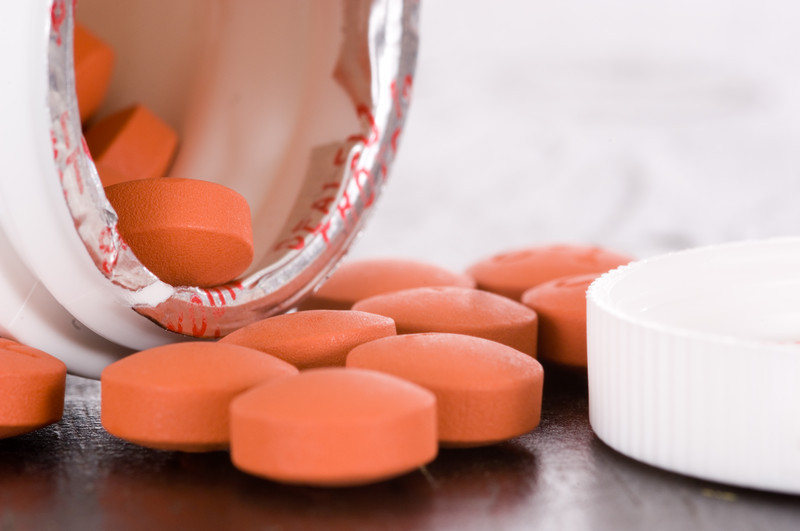
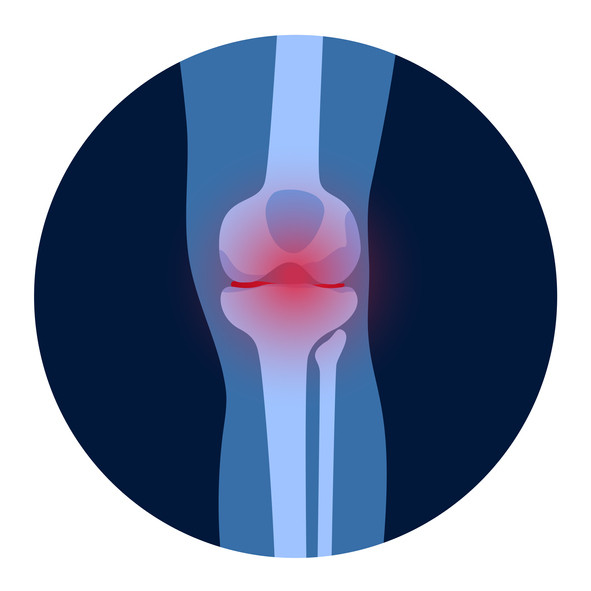
Stopping osteoarthritis: Could recent heart research provide a clue?
Currently no medication can slow the progress of osteoarthritis. And while a reanalysis of a study of people with heart disease suggests a promising approach, more definitive research will be necessary to confirm this.

Warning signs of a serious eye problem
Eyes aren't exempt from the wear and tear of aging. Some of the age-related changes in the eyes are annoying but not serious — for example, it can become difficult to focus on near objects, and eyelashes may thin out a bit. But other changes can be serious eye problems that threaten vision.
With age, the eyes' ability to stay lubricated starts to wane. This can leave eyes feeling irritated, sticky, dry, or gritty. The lens of the eye can become less elastic. Night vision may also start to suffer, which can pose problems when driving at night. In contrast, cataracts, macular degeneration, and diabetic retinopathy can rob you of your sight.
How do you know if an eye problem is a nuisance or the start of something serious? The following signs and symptoms warrant a call to your doctor. Catching serious eye problems early can help preserve your vision. Even non-vision-threatening eye problems can be treated to keep your eyes comfortable and your eyesight as sharp as possible.
Call your doctor if you experience any of the following:
- Change in iris color
- Crossed eyes
- Dark spot in the center of your field of vision
- Difficulty focusing on near or distant objects
- Double vision
- Dry eyes with itching or burning
- Episodes of cloudy vision
- Excess discharge or tearing
- Eye pain
- Floaters or flashers
- Growing bump on the eyelid
- Halos (colored circles around lights) or glare
- Hazy or blurred vision
- Inability to close an eyelid
- Loss of peripheral vision
- Redness around the eye
- Spots in your field of vision
- Sudden loss of vision
- Trouble adjusting to dark rooms
- Unusual sensitivity to light or glare
- Veil obstructing vision
- Wavy or crooked appearance to straight lines
Image: CentralITAlliance/Getty Images

Fibromyalgia: Exercise helps — here's how to start
For people with fibromyalgia, pain is a part of daily life, and exercising is probably not something they feel like doing. But experts say it’s one of the most effective strategies to help manage the condition. So what’s the best approach to getting started?

Urine color and odor changes
Surprising factors influence urine color and odor including food and medication
Many things can alter the look and smell of your urine. When should you be concerned?
Nearly six and a half cups — that's how much urine the average person produces a day, usually in four to eight trips to the toilet. The ritual is so routine that most of us pay little attention to our urine — that is, unless it happens to look or smell different than usual.

Blood in the urine: What does it mean for your health?
Urinary bleeding can be dramatic and frightening, prompting an appropriate call to your doctor. But sometimes the call travels in the other direction; many people are surprised and alarmed to get a call from their doctors reporting that the urine that looked clear in the specimen jar actually contains red blood cells (RBCs). Either way, blood in the urine, known technically as hematuria, requires medical evaluation. Although the results are often reassuring, hematuria is a warning symptom that you should never ignore.
Blood can enter the urine from any place in the urinary tract. So the first step in understanding hematuria is to understand your anatomy.
CoQ10: Should you take this popular supplement if you're on a statin?
Oat vs. dairy milk: Nutrition, benefits, and downsides
Microplastics: A hidden health threat?
Healing after food poisoning
What is tempeh? Benefits, nutrition, and how to use it
Light exposure at night may raise risk for heart disease
Whole grains may improve several heart risk factors at once
A lumbar belt may help ease low back pain
Children of centenarians may stay healthier and live longer too, study finds
Signs of pneumonia: Sometimes vague and unexpected
Free Healthbeat Signup
Get the latest in health news delivered to your inbox!
Sign Up
