

CoQ10: Should you take this popular supplement if you're on a statin?

Oat vs. dairy milk: Nutrition, benefits, and downsides

Microplastics: A hidden health threat?

Healing after food poisoning

What is tempeh? Benefits, nutrition, and how to use it

Light exposure at night may raise risk for heart disease

Whole grains may improve several heart risk factors at once

A lumbar belt may help ease low back pain

Children of centenarians may stay healthier and live longer too, study finds

Signs of pneumonia: Sometimes vague and unexpected
Osteoporosis Archive
Articles

Where to turn for pain relief - acetaminophen or NSAIDs?
The first line of treatment for many knee and hip problems includes taking over-the-counter pain medications. Acetaminophen and non-steroidal anti-inflammatory drugs (NSAIDs) such as ibuprofen and naproxen are the most common pain medication options. However, these pain medications have a variety of side effects, so it's important to discuss your personal health risks with your doctor when considering long-term use for chronic conditions such as osteoarthritis.
Acetaminophen (Tylenol and other brands) is usually effective for mild pain and is easy on the stomach. However, it is toxic to the liver at high doses. The recommended maximum per day is generally set at 4 grams (4,000 milligrams), which is the equivalent of eight extra-strength Tylenol tablets. But that dosage can still cause liver problems for some people. To be safe, aim for 3,000 milligrams or less, and be cautious of mixing multiple products containing acetaminophen, such as a pain reliever and a cold medication or a prescribed narcotic.

Avoiding the pain of kidney stones
If you've had a stone, the problem is likely to recur — but it doesn't have to. Use these strategies for prevention.
The pain associated with kidney stones has been described by some as more excruciating than childbirth. Kidney stones are small, hard stones, formed when high levels of minerals in your urine start to crystallize in your kidneys, forming a pebble-like mass. The pain comes when these stones migrate from your kidneys through the ureters, which are the narrow tubes that carry urine from your kidneys into your bladder.
"Kidney stone pain is not subtle," says Dr. Gary Curhan, a professor of epidemiology at the Harvard T.H. Chan School of Public Health. It typically starts in the flank, at the side of the lower back. Sometimes if the stone moves, the pain migrates to the front of the body.

Is fibromyalgia real?
Ask the doctors
Q. My friend was recently diagnosed with fibromyalgia, but it seems like she might be imagining her symptoms. Is fibromyalgia a real condition?
A. The short answer to your question is yes. Fibromyalgia is a real condition that affects some four million Americans. It's a chronic pain syndrome that experts believe may be caused by a malfunctioning nervous system. Researchers using magnetic resonance imaging to examine the brains of people with fibromyalgia have found abnormalities in the part of the brain that processes pain signals from the body. It appears that this part of the brain is essentially boosting the intensity of normal pain signals, potentially causing the body to feel pain without a physical cause.
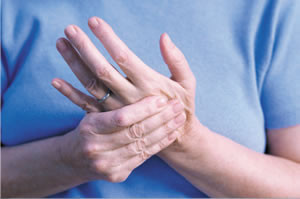
On call: What causes shaky hands?
Q . I've started to notice a slight shakiness in my writing hand. Is this just normal aging or should I get my shaky hands checked out?
A. If the shakiness is sudden or recent, you should talk to a doctor. It may be nothing serious—for example, just a reversible side effect from a medication or from too much caffeine. However, tremors could be an early sign of a more serious condition, like Parkinson's disease. In that case, you could benefit from early diagnosis and starting treatment.
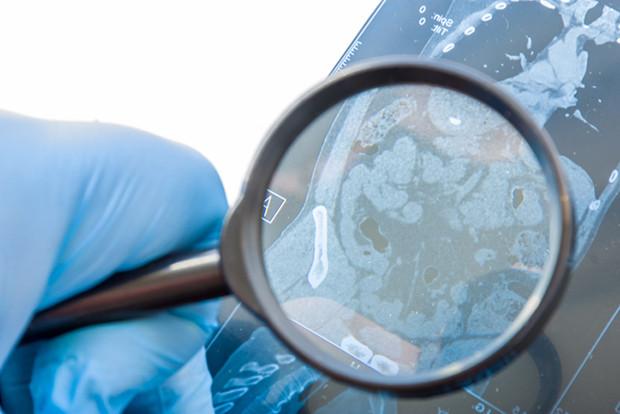

5 weight training tips for people with arthritis
Strength training is good for just about everyone. It's especially beneficial for people with arthritis. When properly done as part of a larger exercise program, strength training helps them support and protect joints, not to mention ease pain, stiffness, and possibly swelling. Yet, the thought of starting a weight training program can be daunting to many arthritis sufferers.
If you have arthritis and want to incorporate strength training into your health routine, these tips can help you get started.

Harvard Health Ad Watch: Can an arthritis drug help you become a morning person?
An ad for an arthritis medication seems to suggest that taking it will alleviate or even eliminate morning stiffness, allowing you to hop out of bed. Like most drug ads, this one has unspoken messages and glosses over questions about side effects and cost.

How do you avoid kidney stone attacks?
On call
Q. I want to avoid another kidney stone attack. What's your advice about diet, coffee, tea, and alcohol?
A. The foods you eat and the amount of fluid you drink can contribute to some types of kidney stones. Certainly, you can help prevent recurrent kidney stones by paying attention to your fluid and food intake.

Should I get a COVID-19 antibody test?
Ask the doctor
Q. Should I get a test for COVID-19 antibodies, even though I've never had any symptoms and I don't think I've had the virus?
A. A blood test for COVID-19 antibodies tells you if you have been infected in the past; it does not accurately tell you if you are currently infected. You can get an antibody test through your doctor, or possibly through a testing center set up by your state or city.

Should adult kids get a COVID-19 test before a visit home?
Ask the doctor
Q. Should I make my kids get tested for COVID-19 before they come to visit me?
A. As we go to press, in most communities in the United States and Europe, the virus still is widespread — particularly among young adults. Many young adults who become infected do not develop symptoms, and therefore may not suspect they are infected. Worse, they may be shedding the virus and able to infect others. Older people are more vulnerable to becoming severely ill from the virus than young adults (although some young adults and even children can become very ill). So if my kids had symptoms that might indicate they had COVID-19, I'd ask them not to come. If they had no symptoms but were living in a "hot spot," I'd ask them to get tested before they traveled — and not to visit if they tested positive. I would hate not to see the kids, but it's a sacrifice we have to make until we control the virus.
CoQ10: Should you take this popular supplement if you're on a statin?
Oat vs. dairy milk: Nutrition, benefits, and downsides
Microplastics: A hidden health threat?
Healing after food poisoning
What is tempeh? Benefits, nutrition, and how to use it
Light exposure at night may raise risk for heart disease
Whole grains may improve several heart risk factors at once
A lumbar belt may help ease low back pain
Children of centenarians may stay healthier and live longer too, study finds
Signs of pneumonia: Sometimes vague and unexpected
Free Healthbeat Signup
Get the latest in health news delivered to your inbox!
Sign Up
