

CoQ10: Should you take this popular supplement if you're on a statin?

Oat vs. dairy milk: Nutrition, benefits, and downsides

Microplastics: A hidden health threat?

Healing after food poisoning

What is tempeh? Benefits, nutrition, and how to use it

Light exposure at night may raise risk for heart disease

Whole grains may improve several heart risk factors at once

A lumbar belt may help ease low back pain

Children of centenarians may stay healthier and live longer too, study finds

Signs of pneumonia: Sometimes vague and unexpected
Osteoporosis Archive
Articles

Don’t let vertigo spin out of control
This often scary condition can happen at almost any time.
Everyone experiences an occasional bout of feeling dizzy. But vertigo is a distinct type of dizziness, with an estimated 40% of adults suffering from it at least once in their lifetime — and the risk rises with age.
"Because vertigo often strikes out of the blue, an acute attack can be potentially dangerous by increasing your risk of a fall," says Dr. Howard LeWine, chief medical editor of Harvard Health Publishing. "While there is no cure for most causes of vertigo, there are ways to reduce symptoms during an attack and avoid recurrent episodes."

Bleeding gums? You may need more vitamin C
In the journals
Bleeding gums are a sign of gingivitis, an early stage of periodontal disease, but they may also signal low vitamin C in your diet, suggests a study published online Feb. 1, 2021, by Nutrition Reviews. Researchers examined 15 published studies involving 1,140 healthy people as well as data on 8,210 people from the CDC's Health and Nutrition Examination Survey. They found that low vitamin C levels in the bloodstream were associated with an increased risk for gum bleeding with gentle probing. The researchers also observed that increasing vitamin C intake may help resolve the problem.
Increased bleeding in general is one of the symptoms of scurvy, a disease caused by severe vitamin C deficiency. Scurvy, which often affected 18th-century sailors without access to fruits and vegetables, is rare today. Still, this new study sheds light on a potential cause of gum bleeding related to vitamin C levels that are only slightly low — not enough to cause scurvy.
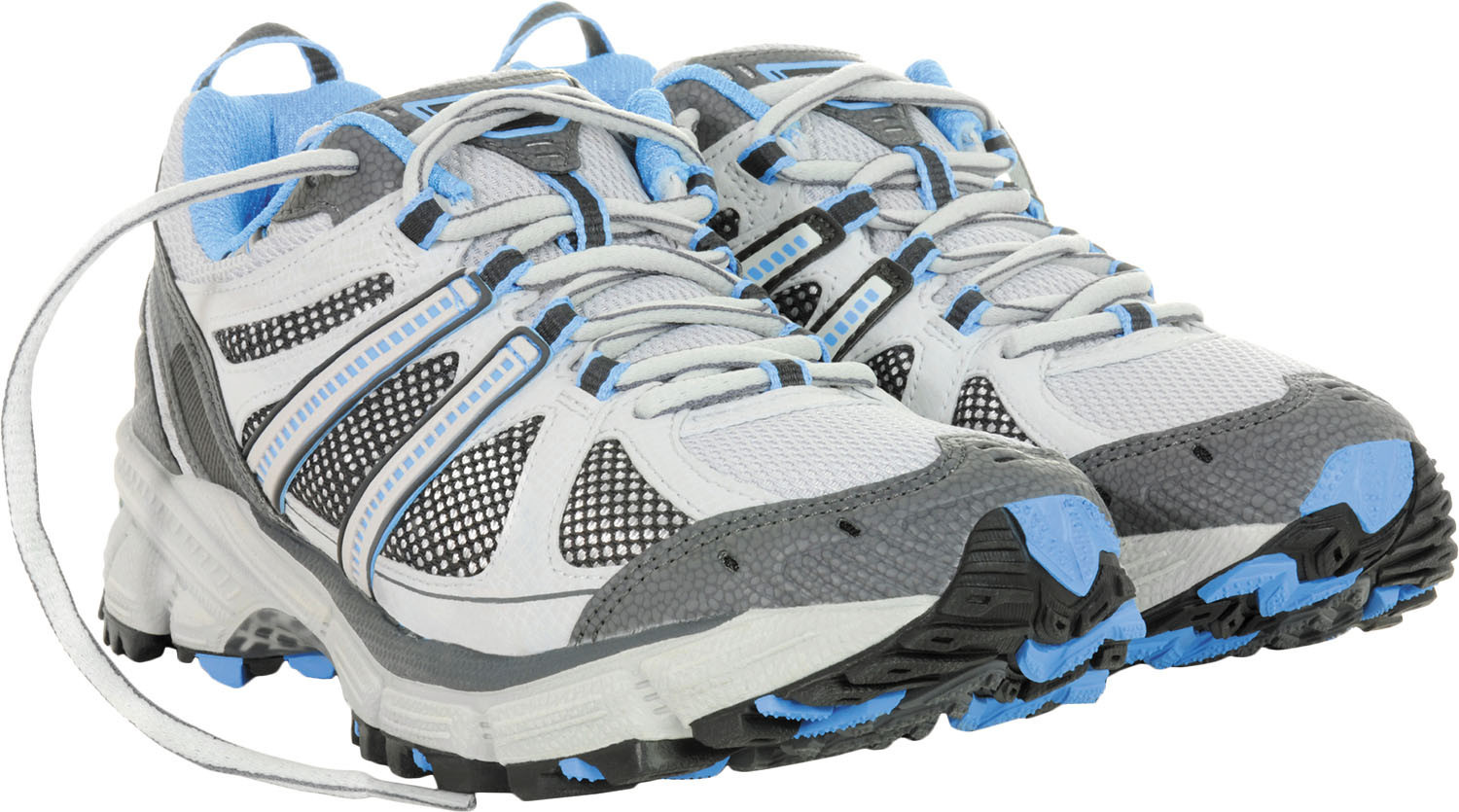
Study finds these shoes are better at keeping knee pain in check
News briefs
When you have knee pain, you just want it to go away so you can walk without having to limp or wince with every step. And a small, randomized trial published online Jan. 12, 2021, by Annals of Internal Medicine found that one type of shoe might be best for the job. Researchers took 164 people ages 50 or older with moderate or severe knee arthritis and randomly assigned half of the group to wear stable, supportive shoes with thick soles that didn't bend much. The other half was assigned flat shoes with thin, flexible soles, which are believed by some to provide a benefit by allowing more natural movement of the leg and foot. Both groups wore their assigned shoes for six hours per day and took part in activities such as walking during that time. After six months, 58% of people in the stable, supportive shoe group reported a reduction in knee pain while walking, compared with 40% of people reporting pain reduction after wearing the flat, flexible shoes. In both groups, the pain reduction probably was a benefit of regular walking. The people wearing flexible shoes were also twice as likely to develop ankle or foot pain, compared with those wearing sturdy shoes. So if you have knee pain, keep walking — in sturdy shoes.
Image: © chictype/Getty Images

Can you avoid macular degeneration?
You have the power to reduce certain risk factors for the disease.
We've come a long way in our understanding and treatment of age-related macular degeneration (AMD), the leading cause of vision loss for people ages 50 or older in the United States. We've learned that certain genes and lifestyle factors increase the risk for developing AMD, and discovered treatments that often slow the disease's progression.
Yet for all our advances, we still don't have a guaranteed way to prevent AMD. You are at greater risk if one of your parents had the condition. "One needs to be concerned, but it doesn't mean you're destined to get it. It's a complex disease, and it takes a combination of factors for it to develop," says Dr. Joan W. Miller, chief of ophthalmology at Harvard-affiliated Massachusetts Eye and Ear and ophthalmology chair at Harvard Medical School.

COVID-19 vaccines and the LGBTQ+ community
A history of discrimination in multiple settings, including health care, may make some people who identify as LGBTQ+ hesitant to get a COVID-19 vaccine, even though the virus has disproportionately harmed this community. If you're struggling to make a decision, this may help you consider benefits and risks.

Dental appliances for sleep apnea: Do they work?
Obstructive sleep apnea leaves people tired, but also puts them at risk for other health problems. Not everyone with sleep apnea can use an airway pressure machine, and some may simply prefer not to. There are oral appliances available, but are they effective?

Is stress making your allergy symptoms worse?
Try stress reduction to improve your quality of life and potentially relieve allergy symptoms.
Spring allergies are a stressful business. Coping with watery eyes, a runny nose, sneezing, coughing, or a sore throat affects how you get through each day. "The primary consequence is a reduced quality of life. This naturally can lead to stress on patients and their families," says Dr. Ahmad Sedaghat, an ear, nose, and throat specialist at Harvard-affiliated Massachusetts Eye and Ear Infirmary.
The influence goes both ways: not only can allergies cause stress, but stress can make allergies worse.

Safety of LED nail lamps
Ask the doctors
Q. I was worried about drying my nails with a lamp or light box at the nail salon because of the potential risk of cancer from the ultraviolet radiation, but my salon recently switched to LED lamps. Are they safer?
A. The light boxes used to cure polish during gel manicures, and to dry traditional nail polish, have raised some concern because — like tanning beds — they emit ultraviolet A (UVA) radiation, which is associated with a higher cancer risk. A 2014 study in JAMA Dermatology found that the level of UVA exposure associated with a gel manicure every two weeks probably isn't high enough to increase the risk of skin cancer significantly, but you are wise to be aware of the issue.

Common summer skin rashes
What to do about prickly heat, poison ivy, and other uncomfortable skin reactions.
Image: © LCOSMO/Getty Images
Sunburn is a big risk in the summer. You know the rules: seek the shade, wear protective clothing, and use a broad-spectrum sunscreen (with an SPF of at least 30). But sunburn isn't the only summer skin problem.
Plant-related rashes
Many people are allergic to urushiol, an oil found in poison ivy and poison oak. Exposure occurs when you touch the plant directly, maybe while gardening, or indirectly, by touching an object that's picked up the oil (like a shoe). You can spread the oil wherever you touch your body until the oil is washed off. Two to 10 days later, the affected skin develops a red, itchy, blistering, oozing rash. It's not contagious, though you may feel like it's spreading. "The allergic reaction continues to unfold even after you've washed off the oil," says Dr. Jason Frangos, a dermatologist at Harvard-affiliated Brigham and Women's Hospital.

Moving away from knee osteoarthritis
Men may avoid activity because of their knee pain, but movement is exactly what they need.
It is perhaps the ultimate exercise catch-22: it's hard to move with knee osteoarthritis, but moving helps relieve osteoarthritis knee pain.
More than 30 million Americans have osteoarthritis, the most common kind of arthritis. While osteoarthritis can affect the hips, lower back, neck, and fingers, it occurs most often in the knees. In fact, an estimated 10% of men ages 60 and older have symptoms of knee osteoarthritis.
CoQ10: Should you take this popular supplement if you're on a statin?
Oat vs. dairy milk: Nutrition, benefits, and downsides
Microplastics: A hidden health threat?
Healing after food poisoning
What is tempeh? Benefits, nutrition, and how to use it
Light exposure at night may raise risk for heart disease
Whole grains may improve several heart risk factors at once
A lumbar belt may help ease low back pain
Children of centenarians may stay healthier and live longer too, study finds
Signs of pneumonia: Sometimes vague and unexpected
Free Healthbeat Signup
Get the latest in health news delivered to your inbox!
Sign Up
