

CoQ10: Should you take this popular supplement if you're on a statin?

Oat vs. dairy milk: Nutrition, benefits, and downsides

Microplastics: A hidden health threat?

Healing after food poisoning

What is tempeh? Benefits, nutrition, and how to use it

Light exposure at night may raise risk for heart disease

Whole grains may improve several heart risk factors at once

A lumbar belt may help ease low back pain

Children of centenarians may stay healthier and live longer too, study finds

Signs of pneumonia: Sometimes vague and unexpected
Osteoporosis Archive
Articles

Considering cataract surgery? What you should know
The operation to replace a clouded lens is low-risk, fast, and effective, but requires some decision making.
Image: CJ_Romas/ Thinkstock
Cataract surgery—which involves removing the eye's clouded lens and replacing it with a clear synthetic version—once required several days in the hospital and a long recovery period. Today it is performed under local anesthesia on an outpatient basis, and people are back to their normal lives within days. The success rate is high, and the rate of vision-threatening complications is relatively low. For people with cataracts, the decision whether to have surgery may be easy to make. However, two additional decisions might be more difficult: when to have surgery and what type of lens implant to get, says Dr. Laura Fine, an ophthalmologist at Harvard-affiliated Massachusetts General Hospital.
Why you may need cataract surgery
To a great extent, cataracts are a normal consequence of aging. Cataract formation is usually a gradual process that plays out over years. The lenses of our eyes become less transparent, less resilient, and often thicker. By age 80, half of us will have cataracts.

What to do for a sprained ankle
It takes less force to sprain an ankle as we age. A few precautions can help to reduce the severity of these injuries or avoid them altogether.
Few of us have gone through life without spraining an ankle. Sprains are among the most common musculoskeletal injuries in people of all ages, and ankles are particularly vulnerable because of the small size of the joint and the forces exerted on it when the body is in motion. While younger people usually sustain sprains while running or jumping, for older people just stepping off a curb awkwardly or walking on an uneven ground can do it. "As you age, your balance and strength can diminish, especially if you've been immobile, increasing your risk for sprains," says Dr. Holly Johnson, a foot and ankle orthopedic surgeon at Harvard-affiliated Massachusetts General Hospital.
How sprains occur
The injury occurs when one or more of the ligaments — elastic bands of tissue that keep the ankle bones in place — are stretched or torn. The most common type of ankle sprain is an inversion injury, or lateral ankle sprain. The foot rolls inward, damaging the ligaments of the outer ankle. Less common are sprains affecting the ligaments of the inner ankle and sprains that injure the ligaments that join the two leg bones (the tibia and the fibula) just above the ankle.
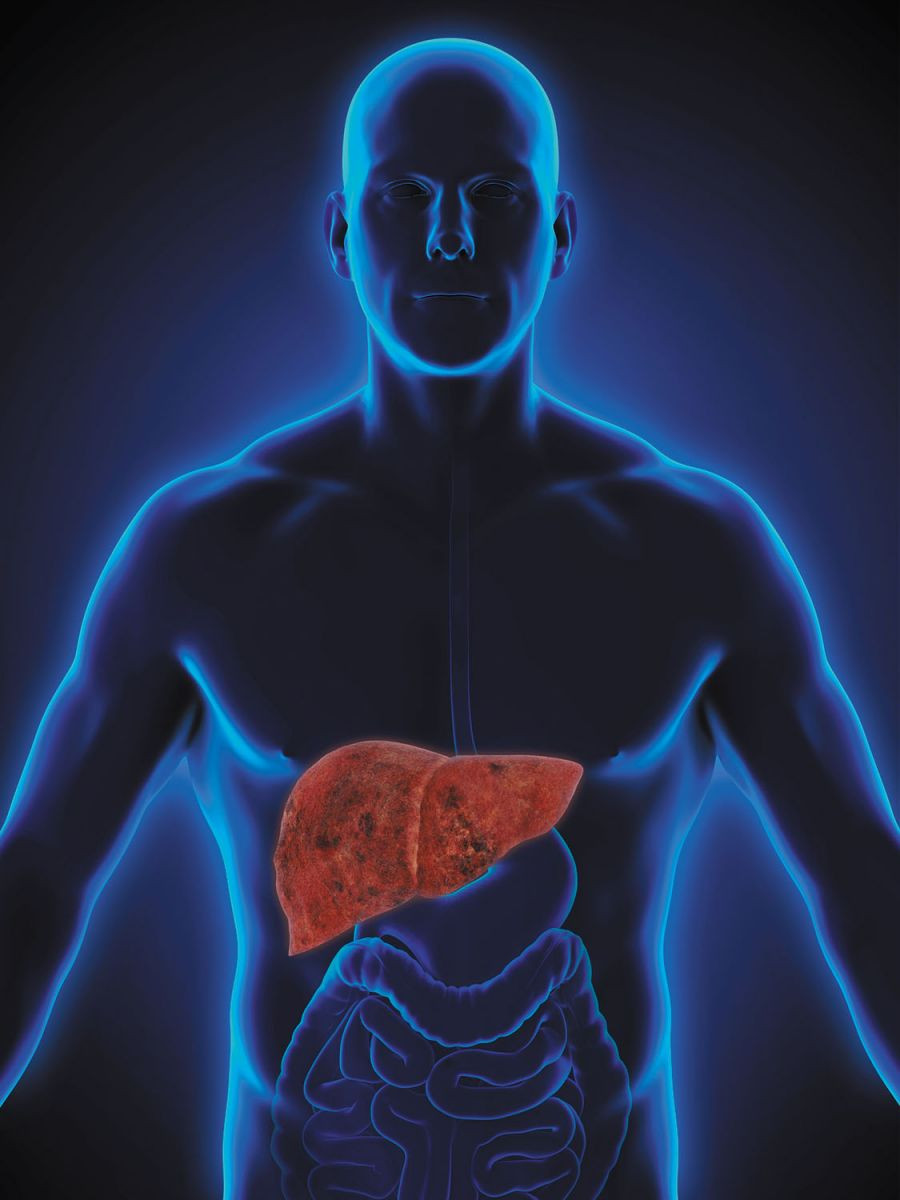
The skinny on fatty liver disease
Rates continue to rise, but there are ways to protect yourself and even reverse the effects of this dangerous disorder.
Your liver is your largest internal organ and your body's workhorse. Among its many jobs are converting food into fuel, processing fat from your blood, clearing harmful toxins, and making proteins that help your blood clot. Yet this hard-working, supersized organ is susceptible to a dangerous and often hard-to-diagnose condition called nonalcoholic fatty liver disease, or NAFLD.
NAFLD is defined as the presence of fat in more than 5% of liver cells. It is the most common liver disease and affects up to 25% of American adults, 60% of whom are men.

Is it a cold or allergies?
Ask the doctors
Q. I feel like I have a perpetual cold all winter, every winter. I'm stuffy and sneezy and it never seems to get better. Do you think it could be allergies? How can I tell the difference?
A. Colds and allergies produce many of the same symptoms: a runny nose, tiredness, and sometimes a sore throat. But they have different causes — a virus causes colds, while allergies are an immune system response to trigger substances, known as allergens. There are ways to distinguish one from the other. Colds sometimes produce a fever, but allergies never do. In addition, if you are suffering from allergies, you may also have itchy, watery eyes, symptoms that won't typically accompany a cold. But perhaps the biggest clue that can help you distinguish between a cold and allergies is the duration of symptoms. Cold symptoms rarely last more than two weeks, but allergies can last as long as you are exposed to the substance that is triggering the reaction. So, if your "cold symptoms" appear at the same time every year and last for an extended period of time, the cause may very well be allergies. Many people with seasonal allergies will experience symptoms for six weeks at a time. If you are allergic to something in your home, such as dust mites, mold, or pet dander, your symptoms could get worse during the winter months, because the house is sealed up and fresh air isn't getting in. In addition, your heating system may be recirculating the allergen. Because your symptoms last for an extended period of time, it may be worth a visit to the allergist.
What causes my feet to suddenly become numb?
On call
Q. My feet tingle or feel numb like they are asleep at times, mostly when I am in bed or with my legs elevated. What causes that?
A. The symptoms you describe may be related to peripheral neuropathy, which is nerve damage that affects multiple nerves leading out from the spinal cord to the arms and legs. Symptoms are often equal in both feet. If only one foot, or part of a foot, is affected, this suggests compression of an individual nerve.

Are cracking joints a sign of arthritis?
On call
Q. My knees have been cracking for a long time, but lately I've noticed my ankles and elbows sometimes crack and pop. Is this a sign of early arthritis?
A. The good news is that the usual painless joint cracking or popping does not represent an early form of arthritis, nor does it cause joint damage (despite what our mothers told us about cracking our knuckles). The cracking sound appears to come from tendons or muscles moving over the joint or from the popping of nitrogen bubbles normally found in the joint space.

Vaccination update
We don't yet have a vaccine to prevent COVID-19, but it's still important to get your regularly scheduled shots.
You're not alone if you're avoiding doctor visits because of concerns about COVID-19. But forgoing medical care means you may be skipping needed vaccinations. "That's a huge problem already. Possibly over a hundred million people the world over have missed their vaccinations because of the pandemic," says Dr. Shiv Pillai, an immunologist and professor of medicine at Harvard Medical School.
Going without vaccinations may increase your risk for illness, such as influenza. "We still are just as vulnerable to infection, and we need vaccines to be protected; COVID-19 doesn't change that," says Harvard Health Letter editor in chief Dr. Anthony Komaroff.
Do hemorrhoids increase my cancer risk?
Ask the doctors
Q. I have hemorrhoids. Could this increase my risk of colon cancer?
A. In short, no. Hemorrhoids don't cause or increase your risk for colon or rectal cancer. However, the two conditions may be mistaken for one another because they can produce similar symptoms, such as rectal bleeding, itching, and pain.

Can home remedies help my sciatica?
Ask the doctors
Q. Is there anything I can do at home to ease sciatica pain?
A. Sciatica is a condition that causes pain that radiates down the buttock and the leg. It occurs when one of the two sciatic nerves in your body, which run from your back down to your toes, is compressed or irritated. Most often the problem is triggered by a ruptured disc or arthritis in the lower spine. This condition can be quite painful, but there are some strategies you can use at home to ease your discomfort.
CoQ10: Should you take this popular supplement if you're on a statin?
Oat vs. dairy milk: Nutrition, benefits, and downsides
Microplastics: A hidden health threat?
Healing after food poisoning
What is tempeh? Benefits, nutrition, and how to use it
Light exposure at night may raise risk for heart disease
Whole grains may improve several heart risk factors at once
A lumbar belt may help ease low back pain
Children of centenarians may stay healthier and live longer too, study finds
Signs of pneumonia: Sometimes vague and unexpected
Free Healthbeat Signup
Get the latest in health news delivered to your inbox!
Sign Up
