

CoQ10: Should you take this popular supplement if you're on a statin?

Oat vs. dairy milk: Nutrition, benefits, and downsides

Microplastics: A hidden health threat?

Healing after food poisoning

What is tempeh? Benefits, nutrition, and how to use it

Light exposure at night may raise risk for heart disease

Whole grains may improve several heart risk factors at once

A lumbar belt may help ease low back pain

Children of centenarians may stay healthier and live longer too, study finds

Signs of pneumonia: Sometimes vague and unexpected
Osteoporosis Archive
Articles
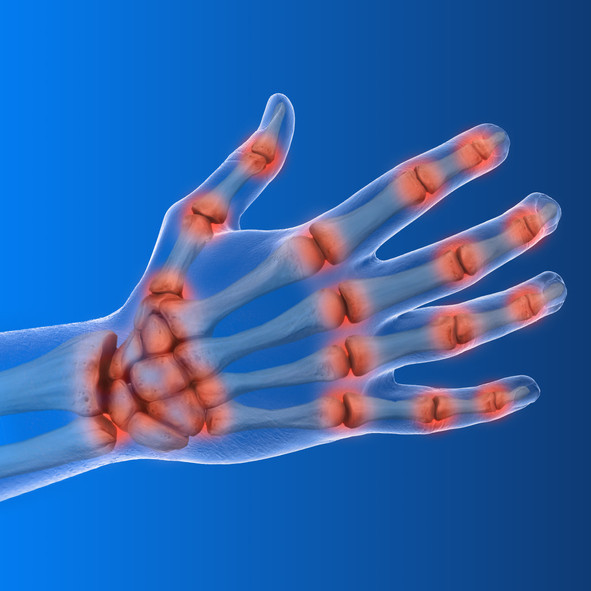
Harvard Health AdWatch: An arthritis ad in 4 parts

Getting the best treatment for your fibromyalgia
Living with the pain and fatigue of fibromyalgia is a challenge faced by millions of people. Finding a doctor who understands the condition and how to treat it can be hard, but knowing the facts about your condition and what questions to ask can help you find the right doctor.

Why can’t we develop COVID-19 treatments faster?
Ask the doctor
Q. COVID-19 is an unprecedented public health emergency. Why can't we go faster in developing drugs for it that are effective and safe?
A. That's what we all want: fast, effective, safe. But we can't usually have all three, so we settle for effective and safe.

Chronic pain linked to higher risk of heart attack and stroke
Research we're watching
People with chronic pain may be more likely to have a heart attack or stroke than those without chronic pain, according to a study published online May 7, 2020, by the journal Pain Medicine.
From 2001 to 2005, researchers identified 17,614 Taiwanese people who had used pain relievers for at least three months. The most common causes of pain were spinal disorders, arthritis, and headaches; the pain relievers included both over-the-counter drugs and prescription opioids. For the comparison group, researchers used 35,228 people without chronic pain who were matched by age and sex to those in the first group.


Diverticular disease of the colon
Diverticular disease develops due to a lack of dietary fiber, and is most common in the elderly, but many people never realize they have it because there are few symptoms.


Will there be a COVID-19 vaccine?
Ask the doctor
Q. Will we have a vaccine to prevent COVID-19 and, if so, when?
A. I'm optimistic because never in human history has so much scientific time and effort been spent trying to make a vaccine. But it won't it be easy. As fast as possible, the vaccine scientists need to prove, first, that a vaccine is safe (minimal side effects) and, second, that it works to reduce a person's risk of getting the disease. Then they need to produce enough of it to immunize most of the 7.6 billion people on earth. Doing all of this within two to three years of a new virus being discovered would be an unprecedented achievement.

5 Internet recommendations for joint pain: Do they work?
Some ideas seem reasonable, but that doesn't mean they'll help.
People increasingly consult the Internet about medical problems. If you're looking for approaches to relieve joint pain and inflammation caused by wear and tear (osteoarthritis) or an immune system attack (such as occurs in rheumatoid arthritis), you may find methods that sound promising and even sensible. But will they work? Here's advice on five pain relief methods commonly touted on the Internet.
1. Music therapy
Listening to music can evoke powerful emotions that help people relax or heal, which is the basis of music therapy. Research has found that music therapy is associated with less anxiety before surgery or during chemotherapy, and better functioning during physical rehabilitation.
CoQ10: Should you take this popular supplement if you're on a statin?
Oat vs. dairy milk: Nutrition, benefits, and downsides
Microplastics: A hidden health threat?
Healing after food poisoning
What is tempeh? Benefits, nutrition, and how to use it
Light exposure at night may raise risk for heart disease
Whole grains may improve several heart risk factors at once
A lumbar belt may help ease low back pain
Children of centenarians may stay healthier and live longer too, study finds
Signs of pneumonia: Sometimes vague and unexpected
Free Healthbeat Signup
Get the latest in health news delivered to your inbox!
Sign Up
