

CoQ10: Should you take this popular supplement if you're on a statin?

Oat vs. dairy milk: Nutrition, benefits, and downsides

Microplastics: A hidden health threat?

Healing after food poisoning

What is tempeh? Benefits, nutrition, and how to use it

Light exposure at night may raise risk for heart disease

Whole grains may improve several heart risk factors at once

A lumbar belt may help ease low back pain

Children of centenarians may stay healthier and live longer too, study finds

Signs of pneumonia: Sometimes vague and unexpected
Osteoporosis Archive
Articles

Can celiac disease affect life expectancy?
Previously thought to affect mainly children, celiac disease is now understood to be a systemic disorder that can develop at any age. A recent study found a small but significant risk of increased mortality in those with CD, but managing the condition through proper diet and medical care can mitigate the risk.

The lowdown on eye exercises
If you wear glasses or contacts, chances are you've been at least a little bit tempted to investigate the infomercials and books promoting eye exercises to improve your eyesight without surgery. Some programs even claim that faithful adherents may be able to give up their glasses. If this sounds too good to be true, that's because it is.
Purveyors of self-directed eye exercise programs have not conducted randomized trials to verify the effectiveness of their programs, and there is no medical evidence for their oft-stated claim that wearing lenses weakens the eyes and necessitates ever-stronger prescription eyewear. Furthermore, some programs are based on ideas that don't quite square with the anatomy and physiology of vision.

Two common prescription drugs now available over the counter
News briefs
On Feb. 14, 2020, the FDA announced that two popular symptom-relief drugs can now be sold without a doctor's prescription. One is diclofenac sodium topical gel, 1% (Voltaren Arthritis Pain), which is used to temporarily relieve arthritis. The other is olopatadine (Pataday), which comes in eye drop form (in two strengths, for once-a-day or twice-a-day dosing) to relive itchy or red eyes from pollen, ragweed, grass, or animal hair or dander. Even though these medications are now available over the counter, they still have risks and benefits, so talk to your doctor before using any new treatment.
Image: MJ_Prototype/Getty Images
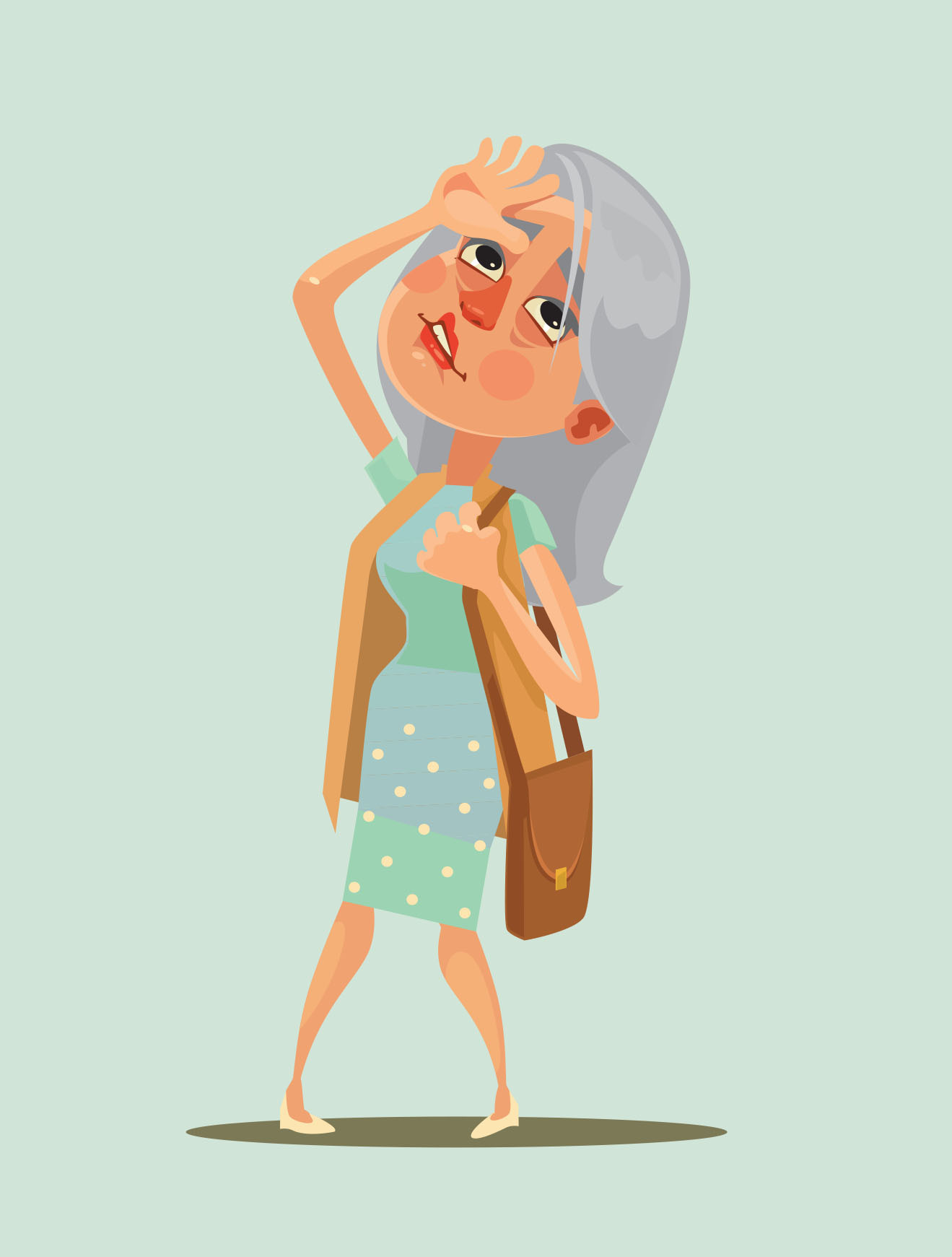
Should I be concerned about my fainting spell?
Ask the doctors
Q. I had a fainting spell the other day. Should I be concerned? What should I do?
A. Fainting, which your doctor may refer to using the medical term syncope, is not uncommon. Experts say as many as one in three adults experiences at least one fainting spell over time. In most cases, it's not related to a serious medical condition, but if you faint, you should always get an evaluation by a doctor to rule out more serious causes, including heart-related problems.

5 ways to dodge incontinence
Most people take bladder control for granted — until the unintended loss of urine interrupts the ability to carry on an ordinary social and work life.
Often, the causes of incontinence are out of a person's control. For example, in women, incontinence is a common side effect of childbirth. For men, it's often a side effect of treatment for prostate problems.

4 ways exercise helps arthritis
Even the healthiest people can find it hard to stick with an exercise regimen — and if you suffer from the joint pain of arthritis, moving your body may be the last thing you want to think about. But regular exercise not only helps maintain joint function, it also relieves stiffness and reduces pain and fatigue.
If you have arthritis, you want to be sure your exercise routine has these goals in mind:

What you need to know about COVID-19 if you have diabetes
Some data suggest that people with diabetes who get COVID-19 are more likely to have serious complications or to die. If you have diabetes, you need to take steps to reduce your risk of getting sick.


Are varicose veins a health risk?
Ask the doctors
Q. I have a lot of varicose veins. Do they present any sort of a health risk?
A. Varicose veins are typically viewed as a mild, non-life-threatening condition that is more of a cosmetic annoyance than a serious health problem. That said, varicose veins can be associated with some health-related issues, such as swelling in the legs, blood clots, or damage to the skin caused by pressure from the veins. They may also make you more prone to skin damage, infections, and ulcers.
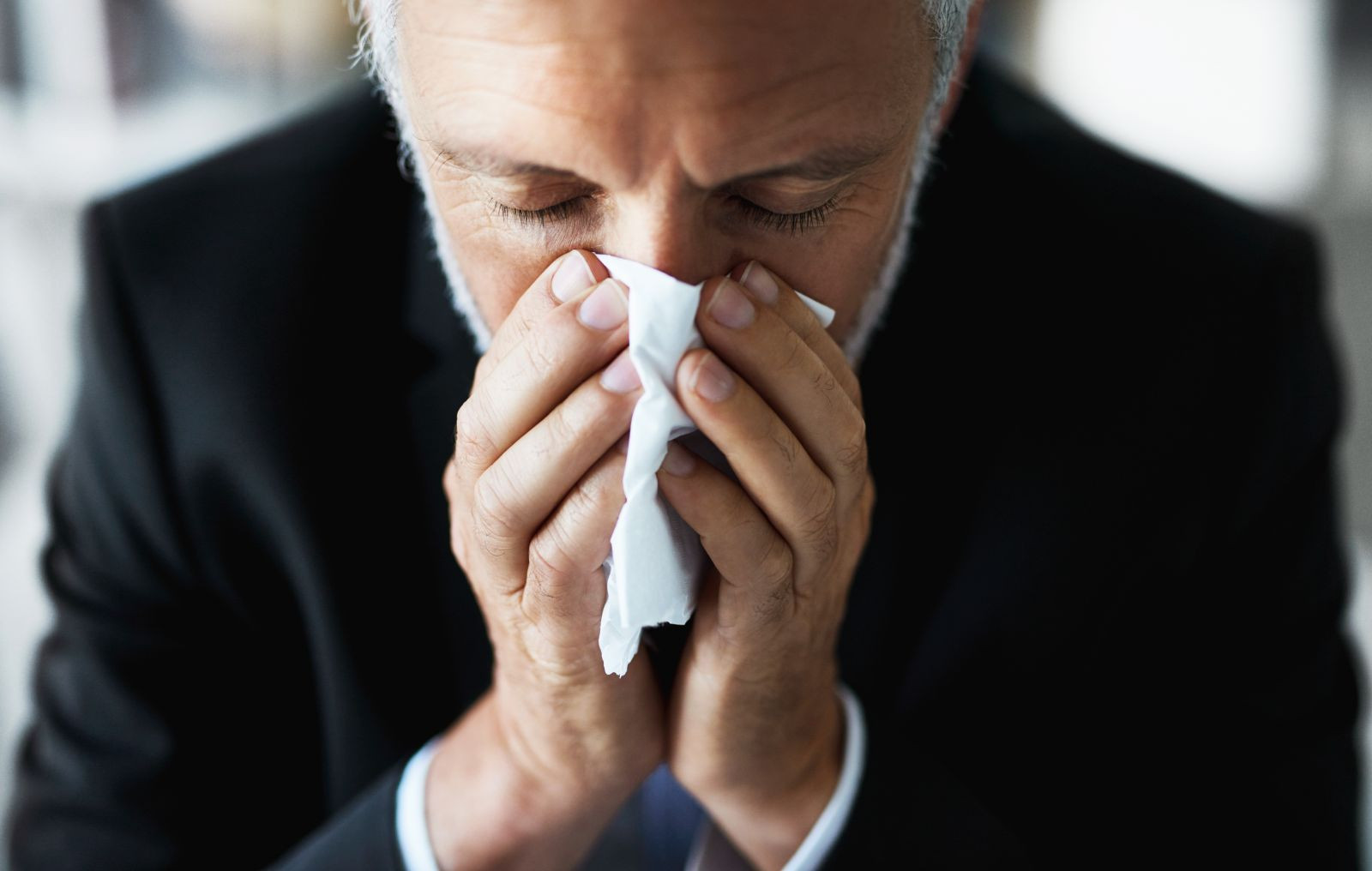
Allergic rhinitis: Your nose knows
Allergic rhinitis, commonly called hay fever, can be a minor seasonal nuisance or a troubling year-round problem. Most people can find relief by taking an antihistamine and by avoiding the allergens that trigger the irritation.
CoQ10: Should you take this popular supplement if you're on a statin?
Oat vs. dairy milk: Nutrition, benefits, and downsides
Microplastics: A hidden health threat?
Healing after food poisoning
What is tempeh? Benefits, nutrition, and how to use it
Light exposure at night may raise risk for heart disease
Whole grains may improve several heart risk factors at once
A lumbar belt may help ease low back pain
Children of centenarians may stay healthier and live longer too, study finds
Signs of pneumonia: Sometimes vague and unexpected
Free Healthbeat Signup
Get the latest in health news delivered to your inbox!
Sign Up
