

CoQ10: Should you take this popular supplement if you're on a statin?

Oat vs. dairy milk: Nutrition, benefits, and downsides

Microplastics: A hidden health threat?

Healing after food poisoning

What is tempeh? Benefits, nutrition, and how to use it

Light exposure at night may raise risk for heart disease

Whole grains may improve several heart risk factors at once

A lumbar belt may help ease low back pain

Children of centenarians may stay healthier and live longer too, study finds

Signs of pneumonia: Sometimes vague and unexpected
Osteoporosis Archive
Articles

What’s causing bladder pain or burning?
Infections aren't the only conditions that can cause discomfort.
Certain urinary symptoms are quite common, particularly in women: painful burning with urination, an urgent need to urinate like you can't hold it (urinary urgency), and urinating frequently (urinary frequency).
These symptoms can be caused by any of the following conditions.

Harnessing CRISPR to stop viruses
News briefs
A research team from Harvard reports that it has harnessed the powerful gene editing tool called CRISPR to recognize and kill viruses. The findings were published online Oct. 2, 2019, by Molecular Cell. CRISPR can alter strands of both DNA and RNA (a molecule related to DNA), which are built like strings of beads. Each bead consists of one of four chemicals called bases. CRISPR can recognize a specific sequence of bases (such as one that is characteristic of a particular virus), latch on to that sequence and cut it, and change the sequence to a different one. This can scramble the genetic sequence of a virus in such a way that the virus no longer can make copies of itself. The Harvard team used this technique to kill several viruses that are made of RNA — including influenza virus — in a laboratory dish. The next step will be to see if the CRISPR technique can also be used to kill viruses in a living animal. That will be much harder. However, if it works, the technique might someday help humans fight viral infections.
Image: © Bill Oxford/Getty Images

FDA approves new migraine medication
Research we're watching
If you suffer from migraine headaches, there's a new option available to relieve your pain. In October 2019, the FDA approved lasmiditan (Reyvow) to treat migraine pain in adults. Taken as a pill, it works for migraines either with or without an aura (a visual disturbance within the hour before migraine pain starts). Lasmiditan is not designed to prevent migraines. Lasmiditan is the first migraine treatment in a class of drugs known as serotonin (5-HT) 1F receptor agonists. In studies, researchers found that it could relieve pain and other migraine symptoms within two hours.
Migraines affect an estimated 28 million women in the United States, according to the American Migraine Foundation, and the World Health Organization ranks them among the top 10 disabling conditions. Pain and other symptoms, which may include nausea, sensitivity to light and temporary vision changes, result in lost work days, reduced productivity, and diminished quality of life for many people.

Troubled by migraines? Cut back on your caffeine drinks
In the journals
Over-the-counter pain medicines that contain caffeine can be effective at stopping some headaches. But drinking a large amount of caffeinated beverages might actually trigger a headache for some people with migraines, according to a study published in the August 2019 issue of The American Journal of Medicine.
Researchers recruited almost 100 people with migraines who suffered from fewer than 15 headaches per month. For six weeks, they recorded the timing and characteristics of each migraine and their intake of caffeinated beverages.

Can I do anything to prevent osteoporosis?
Ask the doctors
Q. I know that osteoporosis is linked to hereditary factors that I can't change. But are there things I can do to reduce my risk?
A. It's true that many risk factors for osteoporosis, such as your sex, age, and genes, are not things you can change. But there are things you can do to improve your bone health. This includes adopting a healthy diet that is rich in calcium and getting enough vitamin D, which can help maintain and improve bone health. Regular exercise can also help strengthen your bones or prevent bone loss. In particular, activities that put stress on your bones, such as jumping, running, and weight-bearing exercises, can stimulate bone cells to produce proteins that bolster bone strength. In children, these activities can actually increase bone density. While adults don't gain the same degree of benefit that kids do, exercise can still have moderate effects on bone, helping to maintain strength that might otherwise be lost. To further protect bone health, cut down on unhealthy habits, such as smoking or drinking excess amounts of alcohol. If you have risk factors for osteoporosis, you might also want to talk to your doctor about whether any of your medications might be harming your bone health.

Eosinophilic esophagitis: A new food-related allergic condition on the rise?
Eosinophilic esophagitis is an allergic inflammation of the esophagus that most typically develops as an allergic response to certain foods. The exact cause is unclear, but if left untreated it can lead to permanent scarring or narrowing of the esophagus.

Heart attacks in women
Although hard-to-read heart attacks happen to both men and women, they are more common in women. One reason for this is that men's symptoms initially set the standard for recognizing heart trouble. Now a growing body of research shows that women can experience heart attacks differently than men.
Understanding sex differences in heart disease is important. Heart disease is the leading cause of death for women. Although it mostly affects older women, it isn't rare in younger women. One in 10 of all women who die from heart disease or a stroke are under age 65, and this age group accounts for one-third of heart- or stroke-related hospitalizations. Even so, younger women and their doctors don't necessarily suspect a heart attack even when all the signs are there.
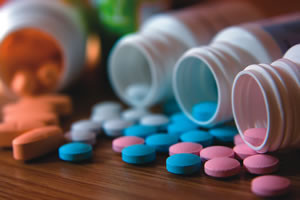
Bad mix: Blood thinners and NSAIDs
Image: Anita_Bonita/Getty Images |
Take the lowest dose of NSAIDs and stop using them as soon as possible.
Blood thinners are usually given to people at risk for developing blood clots from conditions, such as abnormal heart rhythms. Use of these lifesaving medications requires caution with other drugs, especially painkillers called nonsteroidal anti-inflammatory drugs (NSAIDs), such as ibuprofen (Advil) or naproxen (Aleve). But plenty of people take the risk to relieve aches and pains. "Many of the patients who need blood thinners are older and therefore at risk for arthritis, so it's not infrequent for a patient to be on both a blood thinner and an NSAID," says cardiologist Dr. Deepak L. Bhatt, a Harvard Medical School professor.

One hearing aid or two?
If you’re like most people with hearing loss, you’ll probably find that it takes time to accept the idea that you need a hearing aid, and you may be unhappy when your audiologist recommends that you get not one, but two. Chances are that your first question will be, “Is it normal to get two hearing aids?” And then, “Do I really need two?”
If you have hearing loss in only one ear and normal or nearly normal hearing in the other, then one hearing aid is all you need. But most people have hearing loss in both ears, especially if the loss is age-related. (You may have one ear that’s better than the other, but chances are both will be in the same ballpark.) In that case, research and experience suggest that you’ll ultimately be more satisfied with two hearing aids.

Now hear this: Don’t ignore sudden hearing loss
You have a brief window to seek treatment.
Everyone's hearing naturally declines with age, and people often have one ear that hears better than the other. But if hearing loss appears suddenly in one ear for no apparent reason, you may have experienced sudden sensorineural hearing loss, or SHL, a kind of nerve deafness.
There are about 66,000 new cases of SHL per year in the United States, according to research in the August 2019 issue of Otolaryngology — Head and Neck Surgery. But these numbers are hard to come by, since the condition may be underdiagnosed.
CoQ10: Should you take this popular supplement if you're on a statin?
Oat vs. dairy milk: Nutrition, benefits, and downsides
Microplastics: A hidden health threat?
Healing after food poisoning
What is tempeh? Benefits, nutrition, and how to use it
Light exposure at night may raise risk for heart disease
Whole grains may improve several heart risk factors at once
A lumbar belt may help ease low back pain
Children of centenarians may stay healthier and live longer too, study finds
Signs of pneumonia: Sometimes vague and unexpected
Free Healthbeat Signup
Get the latest in health news delivered to your inbox!
Sign Up
