

CoQ10: Should you take this popular supplement if you're on a statin?

Oat vs. dairy milk: Nutrition, benefits, and downsides

Microplastics: A hidden health threat?

Healing after food poisoning

What is tempeh? Benefits, nutrition, and how to use it

Light exposure at night may raise risk for heart disease

Whole grains may improve several heart risk factors at once

A lumbar belt may help ease low back pain

Children of centenarians may stay healthier and live longer too, study finds

Signs of pneumonia: Sometimes vague and unexpected
Osteoporosis Archive
Articles

Does the flu vaccine work as well in elderly people?
Ask the doctors
Q. My mother is in her late 80s. She received the flu vaccine this year, but I heard that it won't be as effective because of her age. Is this true?
A. The flu vaccine can be less effective in elderly adults. That's because the flu vaccine works by priming the body's own immune system to mount a response to the virus if it's encountered. Older adults may have weaker immune systems, and therefore a weaker immune response to the vaccine.

Harvard Health Ad Watch: A fibromyalgia treatment ("But you look so good!")

What is palliative care, and who can benefit from it?
Palliative care improves comfort and quality of life for people with serious illness and their families, yet many people who could benefit from these services are not taking advantage of them

Don’t delay treatment for carpal tunnel syndrome
Ignoring symptoms of this carpal tunnel syndrome can lead to permanent nerve damage.
First, you may notice tingling or numbness in your fingers that comes and goes. Over time, the sensations may get worse, lasting longer or even waking you up at night. Eventually the pain and numbness might even make it hard to grip things like a fork, a pen, or other objects.
If you're having these symptoms, it could be carpal tunnel syndrome, which occurs when the median nerve — which runs down your arm and into your hand — is compressed by a ligament that crosses over it as it passes through a narrow space in the wrist known as the carpal tunnel.

Are you at risk for a secondary cataract?
Even after cataracts are successfully removed, a new problem may bring back the same symptoms.
When the clear lens inside your eye becomes cloudy, it's called a cataract. Cataracts are a common cause of poor vision in older age, with symptoms such as blurry vision and the appearance of halos around lights. Doctors can restore your vision by removing the cloudy lens and replacing it with an artificial lens implant.
But sometimes a side effect of the procedure triggers the return of cataract symptoms. The side effect is called posterior capsule opacification, also known as a secondary cataract. "This affects about a third of people who have cataract surgery. It's one of the reasons we ask people to come back for follow-ups," says Dr. Roberto Pineda, a cataract surgeon at Harvard-affiliated Massachusetts Eye and Ear.

Have you had an HIV test?
News briefs
About half of all people in the United States living with a diagnosis of HIV (human immunodeficiency virus) are age 50 or older. But new data from the CDC suggest most Americans have never been tested for the virus (which causes AIDS, the late-stage phase of HIV infection). According to the June 28, 2019, Morbidity and Mortality Weekly Report, less than 40% of people in the United States have had an HIV test, even though the CDC recommends routine testing at least once for everyone age 13 to 64. The CDC notes that older adults sometimes aren't tested for HIV because they don't consider themselves at risk for infection or because their health care providers don't offer them the test. Older people may also mistake late-stage HIV symptoms, such as weight loss and frequent illness, for signs of normal aging. Those symptoms occur because HIV attacks the body's immune system. But a delay in diagnosis allows the virus to cause more damage. That's unfortunate, since medications can keep the infection from progressing.
If you haven't had an HIV test, talk to your doctor about whether it's right for you, no matter your age, especially if you are sexually active or have had more than one sex partner.

Pain relievers: A cause of higher heart risk among people with arthritis?
Research we're watching
To manage the painful joint disease known as osteoarthritis, people often take ibuprofen (Advil, Motrin) and naproxen (Aleve, Anaprox). But these and related drugs — known as NSAIDs — may account for the higher rates of heart disease seen in people with osteoarthritis, a new study suggests.
Researchers matched 7,743 people with osteoarthritis with 23,229 healthy people who rarely or never took NSAIDs. People with osteoarthritis had a 42% higher risk of heart failure and a 17% higher risk of coronary artery disease compared with healthy people. After controlling for a range of factors that contribute to heart disease (including high body mass index, high blood pressure, and diabetes), they concluded that 41% of the increased risk of heart disease related to osteoarthritis was due to the use of NSAIDs.
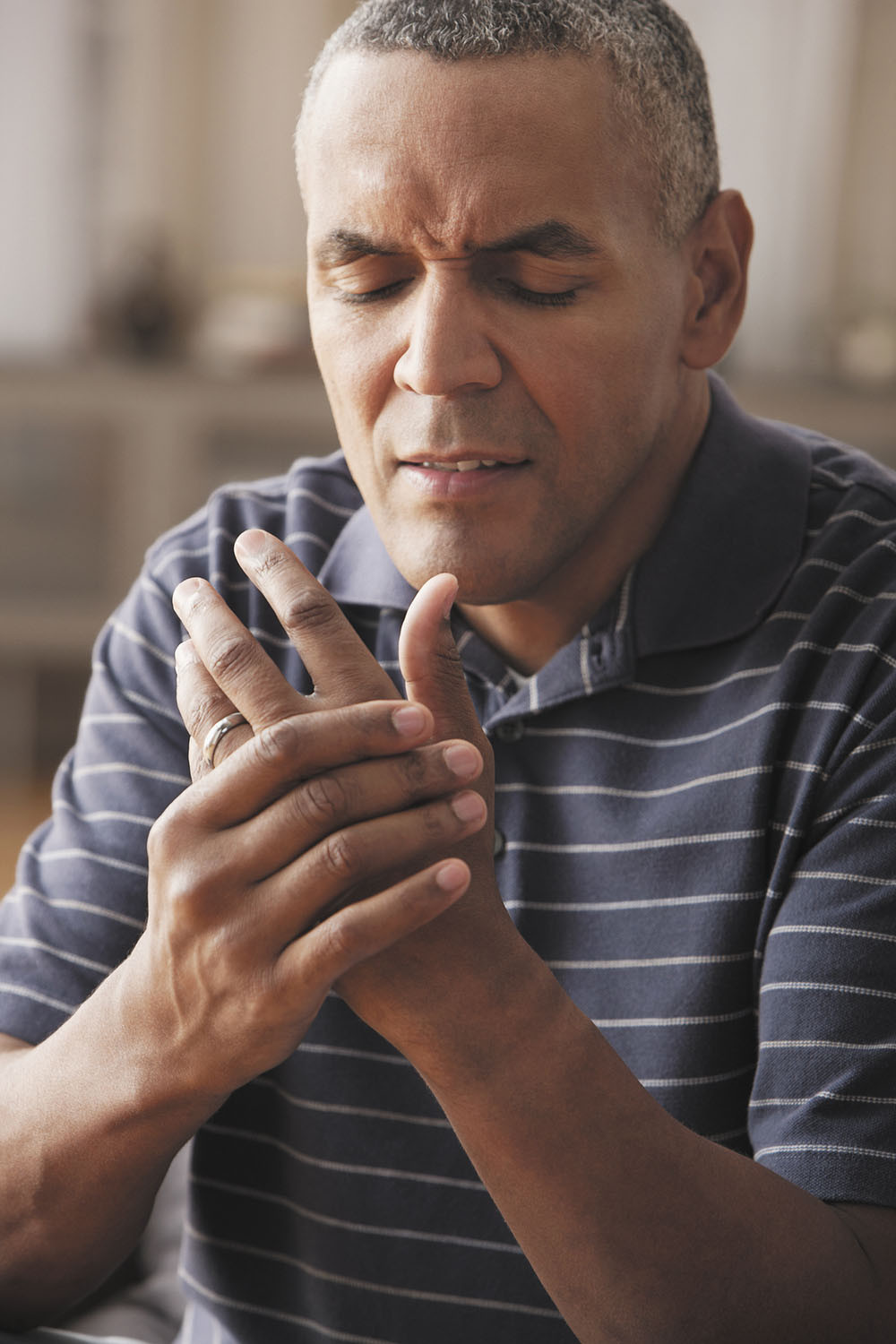
Getting a grip on hand osteoarthritis
Can you do anything about hand and finger joint pain?
Everyone experiences the occasional painful hands and sore fingers, but when osteoarthritis strikes, it can put a hold on many aspects of your life.
"As osteoarthritis progresses, you may lose some hand mobility, like the ability to grasp and hold objects," says Dr. Robert Shmerling, clinical chief of rheumatology at Harvard-affiliated Beth Israel Deaconess Medical Center and senior faculty editor at Harvard Health Publishing. "Over time, osteoarthritis can make the joints deformed, so it's harder to open and close your hands."
Can I reverse prediabetes?
Ask the doctors
Q. My doctor recently told me I have prediabetes. Is this condition reversible?
A. Yes, it is possible to reverse prediabetes. Prediabetes is a condition that affects millions of Americans. The CDC estimates that as many as one in every three American adults has the condition, which is defined as having blood sugar that is elevated, but not high enough to meet the threshold for diabetes. Left untreated, prediabetes can progress to diabetes, a condition in which your body is not able to absorb glucose for energy properly, causing blood sugar to rise. If it's not managed properly, diabetes can lead to a number of health problems, from heart attack and stroke to blindness, kidney problems, and infections, among others. But making some lifestyle changes can reduce the risk that your prediabetes will develop into diabetes.

CoQ10: Should you take this popular supplement if you're on a statin?
Oat vs. dairy milk: Nutrition, benefits, and downsides
Microplastics: A hidden health threat?
Healing after food poisoning
What is tempeh? Benefits, nutrition, and how to use it
Light exposure at night may raise risk for heart disease
Whole grains may improve several heart risk factors at once
A lumbar belt may help ease low back pain
Children of centenarians may stay healthier and live longer too, study finds
Signs of pneumonia: Sometimes vague and unexpected
Free Healthbeat Signup
Get the latest in health news delivered to your inbox!
Sign Up
