

CoQ10: Should you take this popular supplement if you're on a statin?

Oat vs. dairy milk: Nutrition, benefits, and downsides

Microplastics: A hidden health threat?

Healing after food poisoning

What is tempeh? Benefits, nutrition, and how to use it

Light exposure at night may raise risk for heart disease

Whole grains may improve several heart risk factors at once

A lumbar belt may help ease low back pain

Children of centenarians may stay healthier and live longer too, study finds

Signs of pneumonia: Sometimes vague and unexpected
Osteoporosis Archive
Articles
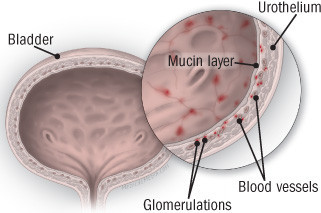
Diagnosing and treating interstitial cystitis
Also called painful bladder syndrome, this frustrating disorder disproportionately affects women.
Interstitial cystitis is a chronic bladder condition that causes recurring bouts of pain and pressure in the bladder and pelvic area, often accompanied by an urgent and frequent need to urinate — sometimes as often as 40, 50, or 60 times a day, around the clock. Discomfort associated with interstitial cystitis can be so excruciating that, according to surveys, only about half of people with the disorder work full-time. Because symptoms are so variable, experts today describe interstitial cystitis as a member of a group of disorders collectively referred to as interstitial cystitis/painful bladder syndrome. (In this article, we'll call it interstitial cystitis, or IC.)
Among the one to two million Americans with IC, women outnumber men by as much as eight to one, and most are diagnosed in their early 40s. Several other disorders are associated with IC, including allergies, migraine, irritable bowel syndrome, fibromyalgia (a condition causing muscle pain), chronic fatigue syndrome, and vulvodynia (pain or burning in the vulvar area that isn't caused by infection or skin disease).

How to talk to teens about the new coronavirus

What’s the best time of day to take your medication?
Timing may improve potency and help you cope with side effects.
We all want our medicines to be as effective as possible, and that requires effort on our part. It may be necessary to avoid taking pills with certain foods or drinks, and to check that medications won't interfere with each other.
And in some cases, it may be important to take a drug at a particular time of day. This approach, known as chronotherapy, is gaining attention as research suggests a relationship between when we take medications and how well they work.

Should I take blood pressure medications at night?
Ask the doctor
Q. I've taken blood pressure medicines every morning for many years, and they keep my pressure under control. Recently, my doctor recommended taking them at bedtime, instead. Does that make sense?
A. It actually does make sense — based on recent research. For many years, there have been at least three theoretical reasons for taking blood pressure medicines before bedtime. First, a body system that strongly affects blood pressure, called the renin-angiotensin system, has its peak activity during sleep. Second, circadian rhythms cause differences in the body chemistry at night compared with daytime. Third, most heart attacks occur in the morning, before medicines taken in the morning have a chance to "kick in."

Common physical problems that threaten your driving skills
Addressing arthritis, hearing loss, and cataracts will help preserve your independence.
Older age brings lots of physical changes, like stiffer joints and difficulty seeing or hearing. Those developments may not cause disability, but they may have an effect — even a subtle one — on your driving. That's why it's smart to be proactive once you notice physical changes, to find out how each condition can jeopardize your driving skills, your safety, and the safety of others on the road.
Common ailments
There are many physical changes that can affect your driving skills. The following are among the most common.

When is it time for a knee replacement?
On call
Q. I have osteoarthritis. My right knee is especially painful and stiff. How do I know when the time is right for knee replacement surgery?
A. Timing is key. If you get the procedure too soon, you might not see enough improvement to make the surgery worth it. In addition, the younger you are when you have knee replacement surgery, the greater the chances it will not last and another surgery may be needed. But if you wait too long, you may subject yourself to unnecessary pain and disability.

Giving steroid injections a shot
They can offer temporary pain relief, but are they right for you?
If you're battling with a flare-up of arthritis, bursitis, or tendinitis, you may find relief from an injection of cortisone (a type of steroid).
"People turn to injections when conservative treatments like over-the-counter and prescription pain medication or physical therapy no longer work, and their pain begins to interfere with quality of life," says Dr. Rob Shmerling, clinical chief of rheumatology at Harvard-affiliated Beth Israel Deaconess Medical Center.

Is osteoarthritis reversible?
Ask the doctors
Q. I recently started experiencing a lot of pain in my hand from osteoarthritis. Can I reverse this condition?
A. You can't reverse osteoarthritis, but there are things you can do to manage your pain and improve your symptoms. Osteoarthritis occurs when the protective cartilage that acts as cushioning between your bones starts to fray and wear down over time. Eventually this enables the bones to rub together, which causes the pain you are experiencing as well as swelling and stiffness that makes it difficult to move your hand freely. Typically, when you have arthritis, the pain and symptoms will be worse at some times than at others. You may experience a flare-up one day and feel better the next. To help reduce the discomfort of a flare-up, talk to your doctor about medication to relieve pain. She or he may recommend an over-the-counter pain reliever. Some people also get symptom relief using a topical pain reliever that is rubbed into the skin. Other strategies that can ease pain are splints or braces, heat or cold therapy, activity modification, and exercises or physical therapy to increase flexibility and strengthen your hand muscles.
Good for your teeth, bad for your bones?
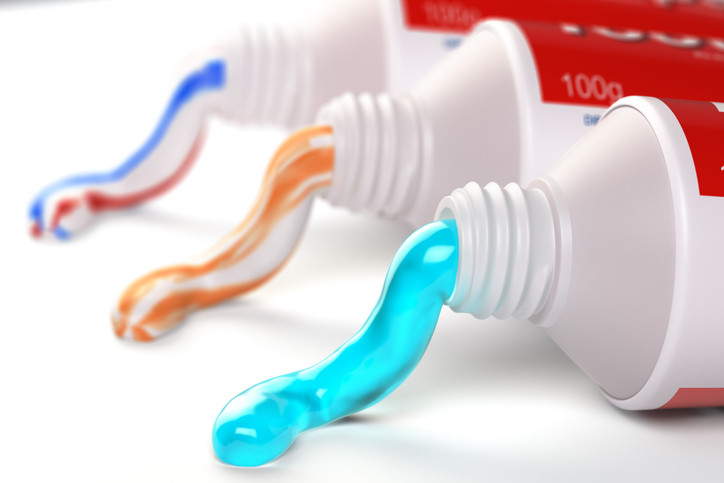
Could an ingredient in toothpaste be harmful to your bones? Triclosan, an antibacterial agent, has been banned from soaps and hand sanitizers by the FDA, and researchers have found that women with the highest levels of triclosan in their urine had low bone density measurements.

Ex-smokers are not free from long-term lung damage
In the journals
People who quit smoking decades ago are still at risk for lung diseases like chronic obstructive pulmonary disease (COPD), according to a study published online Oct. 9, 2019, by The Lancet Respiratory Medicine.
Researchers looked at lung capacity — the amount of air in your lungs after taking a deep breath — among more than 25,000 people and analyzed the results based on whether the individuals smoked, had quit smoking, or had never smoked. Previous research has suggested that the decline in lung capacity that occurs with smoking levels off within a few years after people quit.
CoQ10: Should you take this popular supplement if you're on a statin?
Oat vs. dairy milk: Nutrition, benefits, and downsides
Microplastics: A hidden health threat?
Healing after food poisoning
What is tempeh? Benefits, nutrition, and how to use it
Light exposure at night may raise risk for heart disease
Whole grains may improve several heart risk factors at once
A lumbar belt may help ease low back pain
Children of centenarians may stay healthier and live longer too, study finds
Signs of pneumonia: Sometimes vague and unexpected
Free Healthbeat Signup
Get the latest in health news delivered to your inbox!
Sign Up
