

CoQ10: Should you take this popular supplement if you're on a statin?

Oat vs. dairy milk: Nutrition, benefits, and downsides

Microplastics: A hidden health threat?

Healing after food poisoning

What is tempeh? Benefits, nutrition, and how to use it

Light exposure at night may raise risk for heart disease

Whole grains may improve several heart risk factors at once

A lumbar belt may help ease low back pain

Children of centenarians may stay healthier and live longer too, study finds

Signs of pneumonia: Sometimes vague and unexpected
Osteoporosis Archive
Articles

PrEP prevents HIV — so why aren’t more people taking it?
PrEP (pre-exposure prophylaxis) is a daily medication taken to prevent HIV infection. While multiple studies show PrEP is effective, relatively few of those who might benefit are taking it. Will a 10-year initiative to reduce rates of HIV and a new formulation of PrEP help?


Are the new migraine medications working?
Doctors say three recently approved migraine prevention drugs are helping people have fewer headaches.
For people with frequent, debilitating migraine headaches, 2018 brought encouraging news. The FDA approved three new medications — erenumab (Aimovig), fremanezumab (Ajovy), and galcanezumab (Emgality) — the first drugs designed specifically to prevent migraines and reduce their frequency, intensity, and duration.
It was a big development, since other medications used to stop migraines were created to control other conditions, such as seizures, depression, high blood pressure, or an irregular heartbeat. But their side effects (such as weight gain, dizziness, or fuzzy thinking) often cause people to skip treatment.
Will my endometriosis go away after menopause?
Ask the doctors
Q. I've had endometriosis since I was in my 30s. I'm now approaching menopause. Will my symptoms get better or even go away after menopause?
A. Possibly, but not always. Endometriosis is a condition in which tissue that resembles the tissue that lines the uterus, called endometrial tissue, grows in other locations inside the body. Typically, it grows on structures and organs in the pelvis, such as the ovaries, fallopian tubes, bladder, or bowels. When a woman menstruates, this tissue behaves like the lining of the uterus and bleeds. But because this blood has no way to exit the body, it pools inside. This leads to pain, inflammation, and scarring.
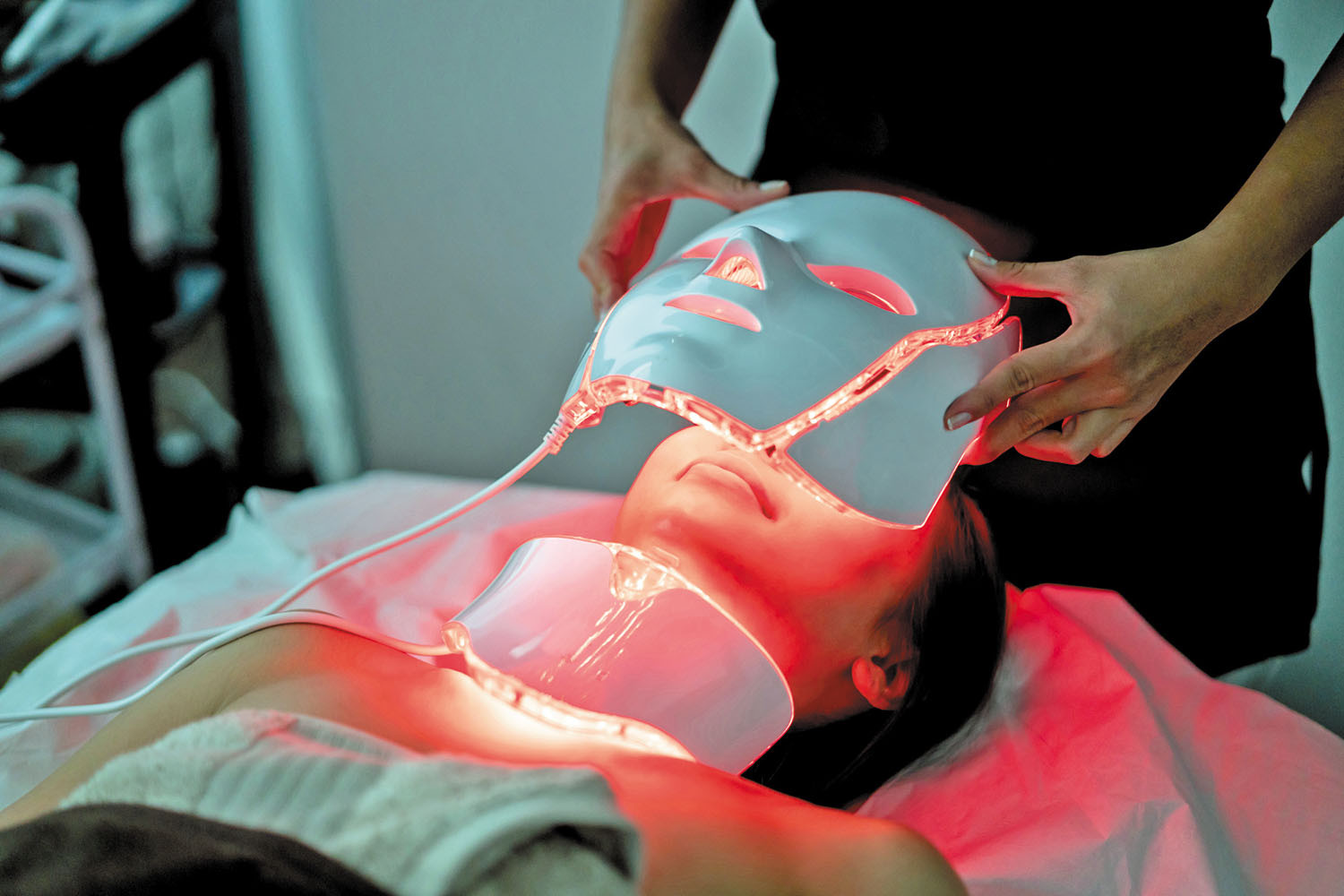


An enlarged prostate gland and incontinence
Some men with an enlarged prostate gland (benign prostatic hyperplasia, or BPH for short) eventually start to experience urinary incontinence, the involuntary discharge of urine. The incontinence can be related to overactive bladder, one of the changes in bladder function caused by BPH.
Normally, the brain says "time to go" when your bladder is only partially full. That gives you a fair warning to find a place to relieve yourself. When you decide to let go, a valve called the urinary sphincter opens to allow the bladder to drain. Muscles in the bladder wall squeeze inward to empty the storage tank.
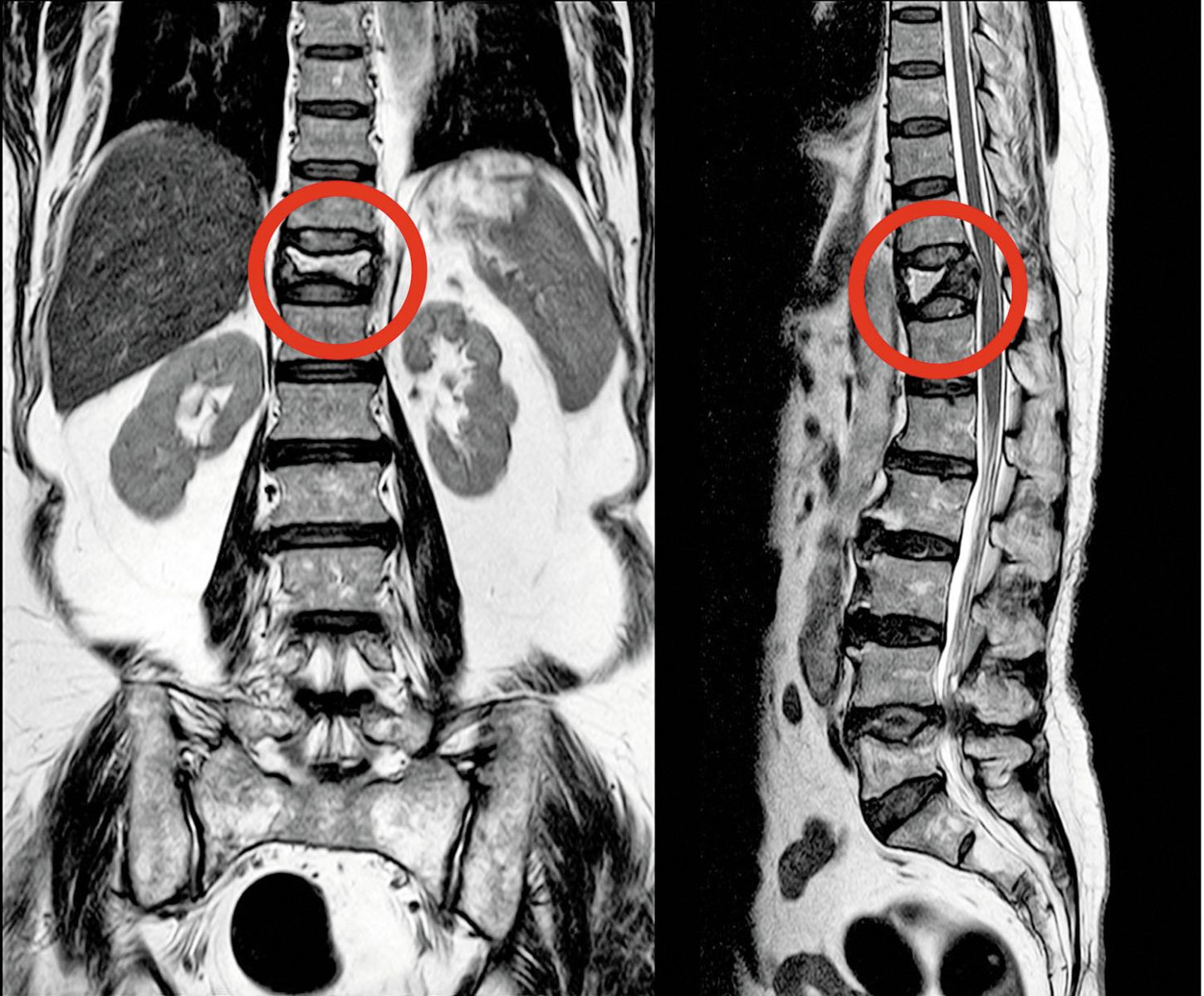
A broken back without the fall
Don't ignore back pain, height loss, or osteoporosis. They could be signs of a compression fracture.
You didn't fall, and you didn't do anything strenuous. So it may come as a surprise when the bad back pain you've been experiencing turns out to be one or more broken bones in your back. "A common story is that someone bends down to put something in the dishwasher or steps off a curb a little hard and puts additional load on their spine. The weakened bone is not adequate to take that load, and it collapses," says Dr. Julia Charles, a rheumatologist and bone cell researcher at Harvard-affiliated Brigham and Women's Hospital.
What weakens the spine?
Your spine contains about 30 bones called vertebrae, stacked on top of each other like a roll of quarters. Each vertebra consists of an external bone surface (like plaster), and an inside filled with a honeycomb of support rods called trabeculae.

New thinking on peripheral neuropathy
Nerve damage might be causing everything from low blood pressure to gastrointestinal distress without your knowing it.
Doctors have long known peripheral neuropathy as a nerve condition that causes reduced sensation, tingling, weakness, or pain in the feet and hands. But those symptoms may be just the tip of the iceberg. Doctors are now learning that neuropathy can cause many more problems.
What is peripheral neuropathy?
Peripheral neuropathy refers to damage to the peripheral nerves throughout the body. These nerves carry messages to and from the brain.

Is shingles contagious?
Ask the doctors
Q. I understand that shingles is caused by a virus. Does that mean that shingles is contagious?
A. Yes and no. If you had chickenpox when you were a child, you are at risk for shingles. Shingles occurs when the varicella-zoster virus that caused your chickenpox re-emerges after lying dormant in your nerve cells from the time of your original illness. When this occurs, you are contagious, but you can't give someone shingles. You can, however, infect people with chickenpox if they haven't been exposed to the virus in the past and haven't been vaccinated against it. For this reason, it's important to take precautions, particularly if you are close to someone who has a weakened immune system.
CoQ10: Should you take this popular supplement if you're on a statin?
Oat vs. dairy milk: Nutrition, benefits, and downsides
Microplastics: A hidden health threat?
Healing after food poisoning
What is tempeh? Benefits, nutrition, and how to use it
Light exposure at night may raise risk for heart disease
Whole grains may improve several heart risk factors at once
A lumbar belt may help ease low back pain
Children of centenarians may stay healthier and live longer too, study finds
Signs of pneumonia: Sometimes vague and unexpected
Free Healthbeat Signup
Get the latest in health news delivered to your inbox!
Sign Up
