

CoQ10: Should you take this popular supplement if you're on a statin?

Oat vs. dairy milk: Nutrition, benefits, and downsides

Microplastics: A hidden health threat?

Healing after food poisoning

What is tempeh? Benefits, nutrition, and how to use it

Light exposure at night may raise risk for heart disease

Whole grains may improve several heart risk factors at once

A lumbar belt may help ease low back pain

Children of centenarians may stay healthier and live longer too, study finds

Signs of pneumonia: Sometimes vague and unexpected
Osteoporosis Archive
Articles

Taming carpal tunnel syndrome
Inside your wrist, a slick tunnel passes through the carpal bones. The nerves and tendons of the wrist pass through this space, called the carpal tunnel. One of these nerves, the median nerve, controls sensations in the palm side of the thumb, the index and middle fingers, and half of the ring finger. It also transmits the impulses to certain hand muscles that allow the fingers and thumb to move. Carpal tunnel syndrome occurs when this nerve becomes irritated or squeezed. Symptoms include numbness, tingling, pain, or weakness in the hand of the affected wrist.
Because the carpal tunnel starts out narrow, it doesn't take much to aggravate or compress the median nerve. A number of conditions can make a person more prone to carpal tunnel syndrome. These include:
A new therapy for osteoporosis: Romosozumab
Osteoporosis affects 10 million people in the United States, the majority of them women. Romosozumab is a new type of medication for treating osteoporosis that offers another treatment option for some women after menopause.

What do the measles outbreaks mean for me?
Ask the doctor
Q. I hear that there are outbreaks of measles in the United States. I think I had measles when I was young, but I'm not sure. Do I need to worry?
A. The measles virus has been infecting humans for at least 1,000 years. When I was very young, in the 1940s, I got the measles. So did nearly every kid I knew; it is very contagious. I had a high fever, sneezing, coughing, very red eyes, and then a rash on my face and all over my body. Fortunately, I didn't develop the severe complications of measles: pneumonia (which affects one in 20 people with measles) or encephalitis (which affects one in 1,000 and can be fatal). Still, I was miserable for more than a week.
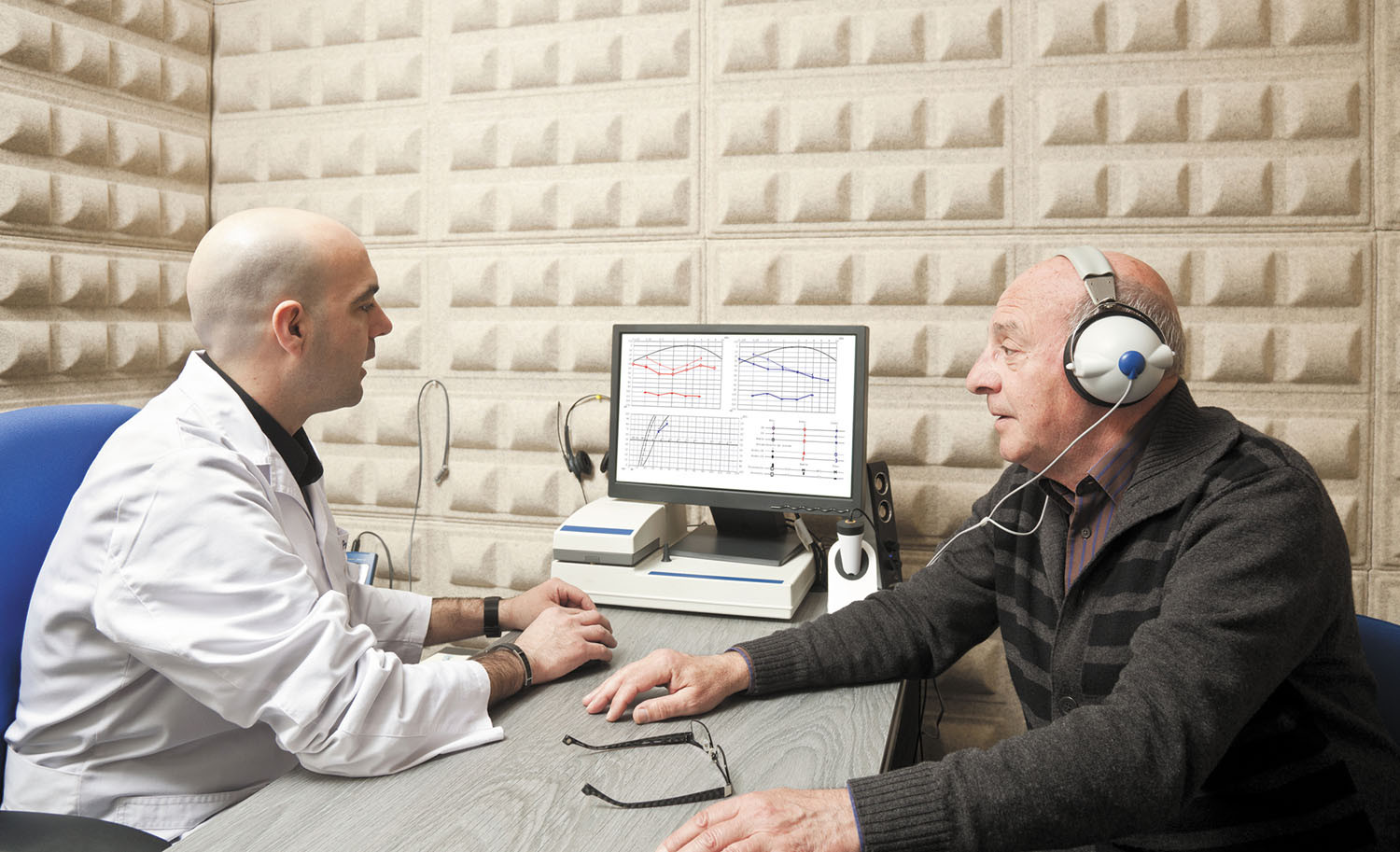
Closing in on tinnitus treatments
New research aims to capture and eventually cure incessant ringing in the ears.
More than 50 million Americans struggle with tinnitus, a constant or recurring ringing in the ears that ranges from irritating to debilitating. Some treatments work for some people, but none seems to work for everyone.
Tinnitus is a tough condition for doctors to study. "There's no way to measure it directly. The only way we know you have tinnitus is if you tell us. Even if there were a cure, we wouldn't know how it worked because we have to rely on verbal descriptions of what your tinnitus sounds like and how loud it is," says Daniel Polley, director of the Lauer Tinnitus Research Center at Harvard-affiliated Massachusetts Eye and Ear.
Is your liver at risk?
Many Americans have fatty liver disease, a condition that can lead to serious liver problems.
If you're not a big drinker, you may not give much thought to the health of your liver. But there might be reason to be concerned. An estimated 64 million Americans have an often-symptomless liver condition called nonalcoholic fatty liver disease (NAFLD), which may put them at risk not only for serious liver disease, but for heart disease as well.
Many people — including doctors — didn't pay much attention to NAFLD until the 1980s, but life insurance companies have had this issue on their radar for years, says Dr. Michelle Lai, an assistant professor of medicine at Harvard Medical School. They knew that an abnormal liver blood test could reflect a lower life expectancy, and they set the premium higher or decline to insure people with the condition, she says.

Exercise: Rx for overcoming osteoarthritis
Exercising may be the last thing you want to do when your joints are stiff and achy. But exercise is a crucial part of osteoarthritis treatment in order to ease pain and stay active.
Osteoarthritis is a chronic and progressive disease characterized by loss of the cartilage that covers and protects the ends of the bones where they meet at a joint. Without this protective coating, bone rubs against bone, causing irritation and inflammation. The result is pain and stiffness in the joint and often pain in the muscles and ligaments that surround it.

By the way, doctor: Does long-term use of Prilosec cause stomach cancer?
Q. I've been taking Prilosec for many years for GERD. Recently, I once read that long-term use of proton pump inhibitors could increase the risk of stomach cancer. Your opinion?
A. Prilosec is a pump inhibitor (PPI). These drugs have revolutionized the treatment of gastroesophageal reflux disease (GERD), in which stomach acid flows back into the esophagus and causes heartburn.

Psoriasis: More than skin deep
The first accurate medical discussion of psoriasis dates back to 1801, but the disease itself is much older. In fact, its very name is borrowed from an ancient Greek word meaning an itchy or scaly condition. About 7 million Americans are plagued by this itching and scaling, and many of them have serious complications involving other organs. Although psoriasis is classified as a dermatologic disease, it doesn't start in the skin, and its damage may be more than skin deep.
Beneath it all
At a basic level, psoriasis is a disorder of the immune system. White blood cells called T-helper lymphocytes become overactive, producing excess amounts of cytokines, such as tumor necrosis factor, interleukin-2, and interferon-gamma. In turn, these chemicals trigger inflammation in the skin and other organs. In the skin, the inflammation produces three characteristic findings: widened blood vessels, accumulation of white blood cells, and abnormally rapid multiplication of keratinocytes, the main cells in the outer layer of the skin. In healthy skin, keratinocytes take about a month to divide, mature, migrate to the skin surface, and slough off to make way for younger cells. But in psoriasis, the entire process is speeded up to as little as three to five days. The result is thickened, red skin that sheds silvery scales of keratinocytes that have matured before their time (see Figure 1).
Saliva shortage: Seven tips for a dry mouth
Water's good. Sugar-free gum helps. But Listerine may give you a dry mouth.
Saliva is like a health drink for your teeth and mouth. The three pints produced by the salivary glands each day contain antibacterial substances that protect teeth from cavities. Saliva contains calcium and phosphorus that teeth absorb. It also functions as an overall lubricant for the mouth, preventing food from sticking to your teeth and gums. By neutralizing gastric acid and keeping the flow of food and drink through the mouth and esophagus on the right course, saliva may help check gastroesophageal reflux (GERD), a leading cause of heartburn.

By the way, doctor: Should I worry about giant platelets?
Q. My platelet count has always been on the low side — 110,000. I don't have any symptoms. But a recent lab report mentioned "giant platelets." Is this something to worry about?
A. Platelets are tiny cell fragments that circulate in the blood and help it clot. They form clots by sticking to one another and by releasing chemicals that promote other aspects of clotting, which is an elaborate, multistep process.
CoQ10: Should you take this popular supplement if you're on a statin?
Oat vs. dairy milk: Nutrition, benefits, and downsides
Microplastics: A hidden health threat?
Healing after food poisoning
What is tempeh? Benefits, nutrition, and how to use it
Light exposure at night may raise risk for heart disease
Whole grains may improve several heart risk factors at once
A lumbar belt may help ease low back pain
Children of centenarians may stay healthier and live longer too, study finds
Signs of pneumonia: Sometimes vague and unexpected
Free Healthbeat Signup
Get the latest in health news delivered to your inbox!
Sign Up
