

CoQ10: Should you take this popular supplement if you're on a statin?

Oat vs. dairy milk: Nutrition, benefits, and downsides

Microplastics: A hidden health threat?

Healing after food poisoning

What is tempeh? Benefits, nutrition, and how to use it

Light exposure at night may raise risk for heart disease

Whole grains may improve several heart risk factors at once

A lumbar belt may help ease low back pain

Children of centenarians may stay healthier and live longer too, study finds

Signs of pneumonia: Sometimes vague and unexpected
Osteoporosis Archive
Articles

Get moving to manage arthritis
People with arthritis often avoid exercise because of their painful joints. However, exercise is one of the best ways to manage their symptoms, stay active, and improve their quality of life. Specific exercise routines can be designed around a person's type of arthritis, severity, and location, but usually focus on three areas: stretching, strength training, and low-impact aerobics.

Big toe got you down? It may be hallux rigidus
Hallux rigidus is stiffness in the big toe caused by arthritis in its joint. It can be treated with anti-inflammatory medication or sometimes a corticosteroid injection, but if these measures are unsuccessful, surgery may be necessary.

What to do about rotator cuff tendonitis
Rotator cuff tendinits is the most common shoulder injury. The best course of treatment is to rest, apply ice, take ibuprofen, and do stretching and strengthening exercises.

Top 5 ways to reduce crippling hand pain
The most common causes of hand pain include osteoarthritis, nerve conditions, and tendinitis. To help manage the pain and avoid surgery, doctors recommend splinting, corticosteroid injections, anti-inflammatories, heat and cold applications, and hand exer

Dengue fever: What to know and do
The US is seeing an unusual spike in the mosquito-borne illness dengue fever. What is dengue, and where is it occurring in the US? How does it spread? And what steps can you take to protect against this and other mosquito-borne illnesses?


By the way, doctor: Plugged-up feeling in an ear
I have a plugged left ear problem. It usually starts about 4 p.m. and lasts about three to four hours. I cough, clear my throat, yawn, close my nostrils and blow - nothing seems to help.
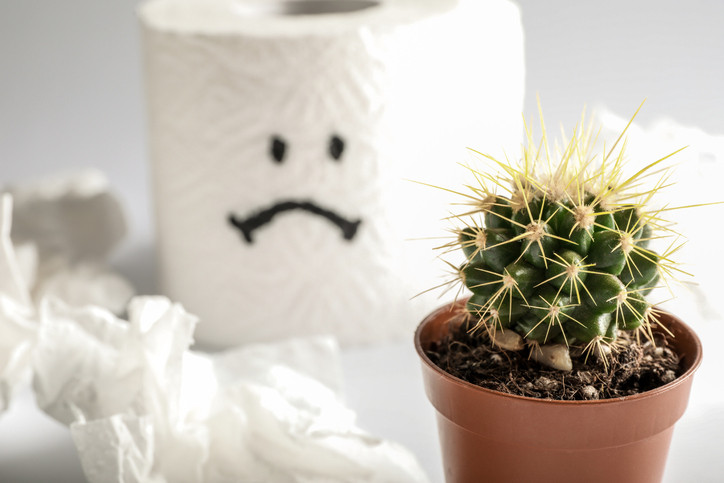
Natural remedies for hemorrhoids
Hemorrhoids are painful and unpleasant, and difficult to talk about. But they are common among people over 50, and they are not dangerous and can be managed with simple remedies and self-care.

What causes my ankles to swell?
The most common reason for swelling in both ankles is incompetent valves in the leg veins. People can treat this by wearing support hose and elevating the ankles above the level of the heart when possible. Eating less salt can help prevent ankle swelling that occurs in warm weather.

CoQ10: Should you take this popular supplement if you're on a statin?
Oat vs. dairy milk: Nutrition, benefits, and downsides
Microplastics: A hidden health threat?
Healing after food poisoning
What is tempeh? Benefits, nutrition, and how to use it
Light exposure at night may raise risk for heart disease
Whole grains may improve several heart risk factors at once
A lumbar belt may help ease low back pain
Children of centenarians may stay healthier and live longer too, study finds
Signs of pneumonia: Sometimes vague and unexpected
Free Healthbeat Signup
Get the latest in health news delivered to your inbox!
Sign Up
