

CoQ10: Should you take this popular supplement if you're on a statin?

Oat vs. dairy milk: Nutrition, benefits, and downsides

Microplastics: A hidden health threat?

Healing after food poisoning

What is tempeh? Benefits, nutrition, and how to use it

Light exposure at night may raise risk for heart disease

Whole grains may improve several heart risk factors at once

A lumbar belt may help ease low back pain

Children of centenarians may stay healthier and live longer too, study finds

Signs of pneumonia: Sometimes vague and unexpected
Osteoporosis Archive
Articles


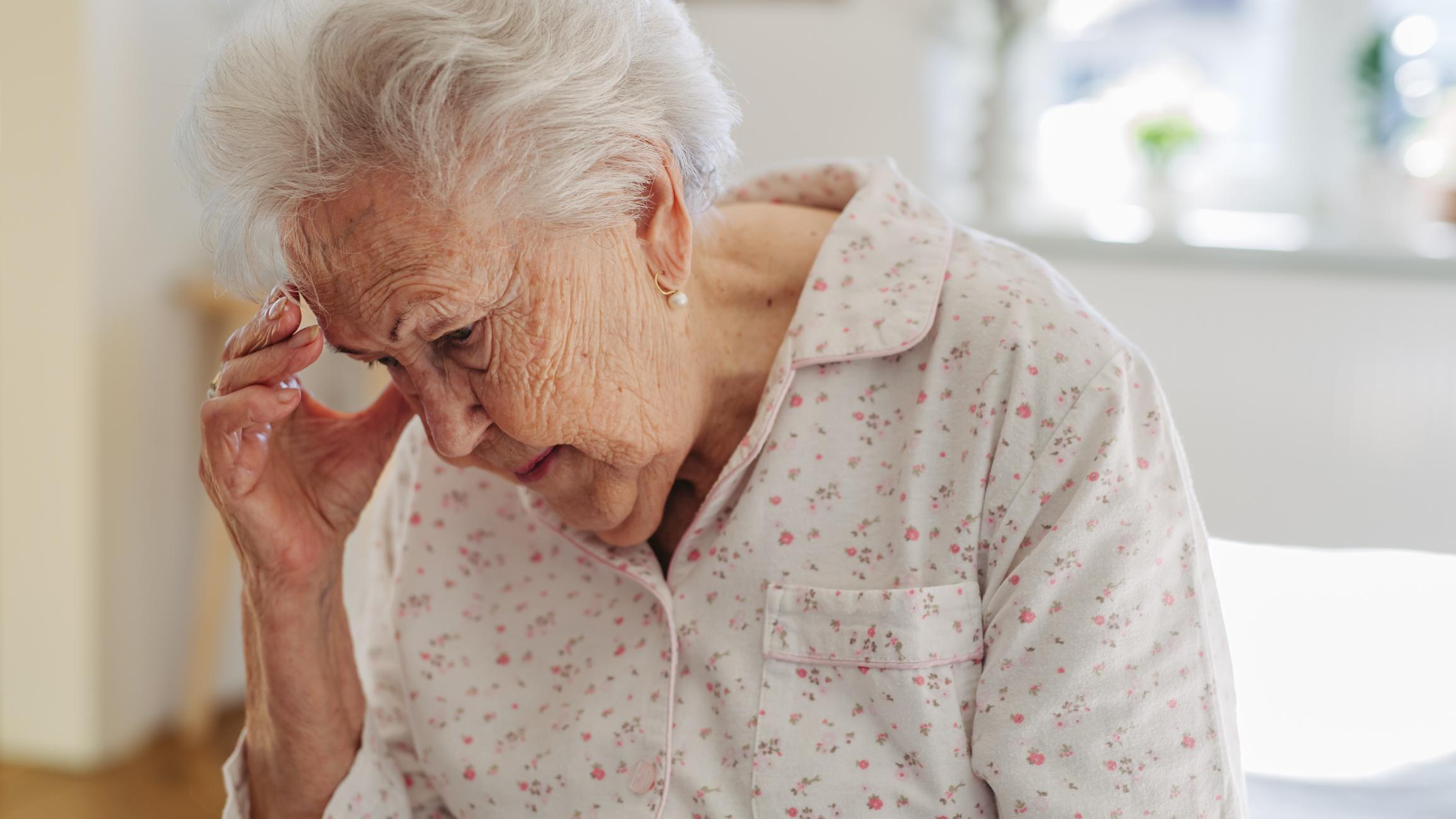

Restless legs syndrome on the radar
Restless legs syndrome (RLS) affects up to 10% of Americans and twice as many women as men. Risk factors include age, genetics, iron-deficiency anemia, and pregnancy. A variety of therapies can alleviate symptoms, which are dominated by creepy-crawly, sometimes painful leg sensations that tend to strike around bedtime. The American Academy of Sleep Medicine recommended in March 2024 to stop using dopamine-boosting drugs as first-line therapy for RLS; it should be taken only by patients whose symptoms don't respond to other treatments.

How did I break a blood vessel in my eye?
A subconjunctival hemorrhage is a broken blood vessel in the eye. It's usually not serious and resolves on its own within two weeks. People who also experience eye pain or vision changes may have an eye infection and should see a doctor.

Unraveling dizziness
Bouts of dizziness can be unsettling sensations that may last only a few seconds or linger for several minutes or even longer. Episodes may be isolated or recurrent. Many people have a difficult time articulating what they experience when they say they feel dizzy, because the term encompasses a range of sensations like lightheadedness, wooziness, unsteadiness, or spinning. To help identify the cause, people should first consider whether they are experiencing primarily lightheadedness or vertigo.

The end of painful sitting
Older adults typically sit for about 65% to 80% of their waking hours. One problem of prolonged sitting is pain due to gluteal amnesia. It occurs from a weak gluteus medius-one of the three gluteal muscles that help stabilize the pelvis and maintain the body's proper alignment. Moving more often during the day and doing exercises that strengthen weak gluteal muscles can help prevent this problem.

Harvard researchers: Irregular sleep patterns linked to diabetes
A 2024 Harvard study involving more than 84,000 diabetes-free people (average age 62), who were followed for seven years, found those whose sleep duration varied most had a 34% higher risk for diabetes, compared with those whose sleep duration varied the least.

4 steps to battle early signs of brittle bones
Osteopenia is the precursor stage to osteoporosis (weak, thin bones that break easily). Ways to treat osteopenia include taking medications that slow bone loss and reduce fracture risk, exercising, eating protein- and calcium-rich foods, taking a calcium supplement to make up for a lack of dietary calcium, taking a vitamin D3 supplement to help absorb calcium, and avoiding excessive alcohol intake. Vibration therapy (standing on a small vibrating platform) is not yet proven to be effective.

Why do I need a flu or COVID vaccine?
Even if someone has never gotten the flu or COVID-or at least hasn't gotten very sick from them-there still are good reasons to get vaccines that protect against the viruses. Both the flu and COVID viruses can injure the body, making it vulnerable to new major illnesses such as heart, lung, gastrointestinal, or brain disease. But recent solid evidence has shown that vaccines not only reduce the risk of getting the flu and COVID, but also reduce the risk of developing the serious diseases associated with COVID or flu.
CoQ10: Should you take this popular supplement if you're on a statin?
Oat vs. dairy milk: Nutrition, benefits, and downsides
Microplastics: A hidden health threat?
Healing after food poisoning
What is tempeh? Benefits, nutrition, and how to use it
Light exposure at night may raise risk for heart disease
Whole grains may improve several heart risk factors at once
A lumbar belt may help ease low back pain
Children of centenarians may stay healthier and live longer too, study finds
Signs of pneumonia: Sometimes vague and unexpected
Free Healthbeat Signup
Get the latest in health news delivered to your inbox!
Sign Up
